

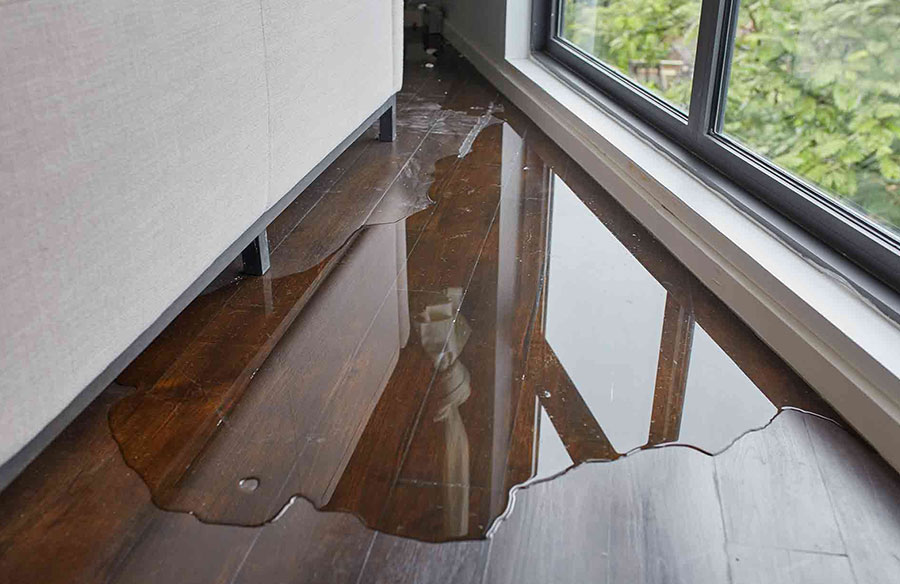
Ever come home to find water where it shouldn’t be? Maybe it’s a puddle on the floor, a drip from the ceiling, or a sudden flood in the basement. It’s a homeowner’s nightmare, isn’t it?
Water damage can strike unexpectedly, turning your haven into a scene of chaos and worry. Fortunately, being prepared and knowing what to do when such situations happen can make a big difference.
This guide will serve as your go-to resource, offering a simple, step-by-step approach to tackling water damage like a seasoned pro.
Step 1: Plug the Leak
Before anything else, you need to identify and halt the source of water damage. Whether it’s a burst pipe, a malfunctioning appliance, or a leaky roof, swift action is crucial.
Watch out for telltale signs that indicate a potential leak, such as:
- Stains
- Discoloration
- Pooling water
Once you identify the source, implement temporary measures to contain the leak and prevent further damage.
For lasting results, consider calling in professional handyman services to pinpoint and address the root cause. Remember, even seemingly minor leaks can lead to significant problems if left unchecked. So, act fast to protect your home and ensure the safety of its occupants.
Step 2: Contact Your Insurance Provider
Understanding your insurance policy is crucial in times of water damage. Check your coverage to know what to expect. If you have photos of the damaged area before the incident, keep them for reference.
Once the water subsides, reach out to your homeowners’ insurance company to initiate the claims process. They’ll send someone to assess the damage and determine coverage. Document the value of damaged items and take photos before, during, and after cleanup to support your claim.
If you’re unable to locate the source of the leak, contact a professional remediation company for assistance. The more documentation you have, the higher your chances of recovering losses.
Step 3: Protect Yourself and Your Property
Prioritize safety during a water damage incident. Take these essential measures to safeguard yourself and your family:
Turn off the power
Water and electricity are a dangerous combination. If it’s safe to do so, turn off the power to prevent electrical hazards. If unsure, seek assistance from an electrician before entering flood-damaged areas.
Wear Protective Gear
Equip yourself with protective clothing such as rubber boots and gloves before re-entering your home. This will shield you from injuries and potential contamination from bacteria-filled water.
Protect Your Valuables
Elevate wooden furniture from wet carpet areas and place tin foil under the feet to prevent staining. Remove any rugs from wet flooring to mitigate damage.
If the flooding is severe, put safety first and evacuate if necessary. Always ensure it’s safe to return home before beginning cleanup efforts. Avoid driving through flooded areas to prevent accidents.
Step 4: Kickstart the Restoration Process
Once the immediate dangers are addressed, it’s time to kickstart the restoration process.
Survey the affected areas to determine the extent of the damage. Segregate what can be salvaged and what needs to be discarded for safety reasons.
Develop a comprehensive plan for restoring your home. Prioritize tasks according to urgency and allocate resources accordingly.
Consider hiring a professional to ensure effective water damage repair. They have the expertise and equipment to handle extensive damage safely and efficiently.
Step 5: Manage Mold and Moisture
Mold and moisture can quickly become a problem after water damage. Here’s how to manage them effectively:
Dry Out the Area
Promote airflow by opening windows and doors. Use dehumidifiers and fans to remove excess moisture from the environment promptly.
Remove Wet Items
Remove and dry out wet items as quickly as possible to prevent mold growth. Discard items that cannot be salvaged, such as submerged carpets.
Watch for Signs of Mold
Be on the lookout for mold growth indicators. This includes discoloration, musty odors, and visible mold patches. If you suspect mold, take immediate action to address it to prevent health issues.
Step 6: Assess Restoration Needs
Finally, you must assess your restoration needs following the water damage incident.
Start by evaluating which items can be salvaged and which need replacement. Flooring, walls, and possessions may require repair or replacement, especially if major construction is needed. Dispose of irreparably damaged items to prevent mold growth and avoid safety hazards.
It also pays to implement other waterproofing measures to mitigate the impact of humidity and prevent water infiltration into buildings. Waterproofing is vital, particularly in regions like the UAE, where heavy rainfall and high humidity levels pose significant risks to buildings.
Use waterproofing paints to protect surfaces. These paints create a barrier against moisture infiltration, safeguarding against structural damage and preserving indoor air quality.
These preventive measures help preserve the structural integrity of your home and reduce long-term maintenance costs.
Handle Water Damage Like a Pro
In case of water damage, remember to act swiftly, contact your insurance provider, prioritize safety, and engage professionals as needed. With the tips shared here, you’re equipped to navigate water damage incidents like a pro.







