

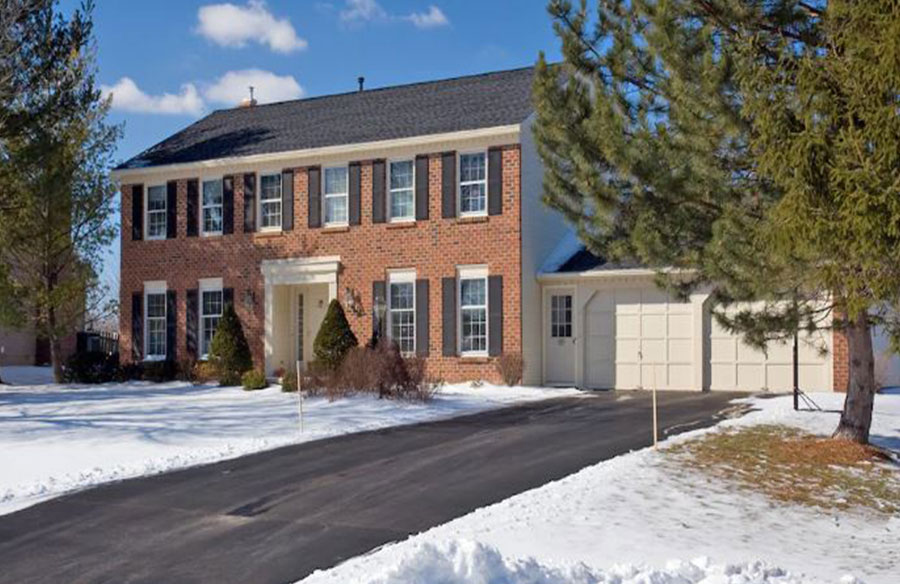
When winter arrives, the chore of shoveling snow off your driveway can quickly become a daunting task. However, with advances in technology, there’s a solution that not only saves you time and effort but also adds a touch of luxury to your home: heated driveway heating systems.
How It Works
Heated driveway systems use either electric or hydronic heating elements installed beneath the surface of the driveway. Electric systems consist of electric cables or mats, while hydronic systems involve a network of tubes filled with heated water or antifreeze.
Electric systems rely on electricity to generate heat, while hydronic systems use a boiler to heat the water or antifreeze, which is then circulated through the tubing. Both systems are controlled by a thermostat that monitors outdoor temperature and precipitation, ensuring efficient operation.
Installation Process
Installing a heated driveway system typically involves laying the heating elements beneath the driveway surface during construction or renovation. For electric systems, this may include embedding heating cables or mats in concrete or asphalt. Hydronic systems require more extensive installation, as they involve laying tubing and connecting it to a boiler system.
Benefits
The primary benefit of heated driveway technology is the convenience it provides. By melting snow and ice as soon as they accumulate, heated driveways eliminate the need for manual shoveling or the application of de-icing chemicals. This not only saves time and effort but also reduces the risk of slips and falls on icy surfaces.
Moreover, heated driveways can help extend the lifespan of the driveway itself by preventing damage caused by freezing and thawing cycles. By keeping the surface temperature above freezing, these systems minimize the expansion and contraction of the driveway material, reducing the likelihood of cracks and potholes.
Energy Efficiency
While heated driveway systems consume energy to operate, modern technologies have made them more energy-efficient than ever before. Advances such as zoning and insulation help minimize heat loss and optimize energy usage. Additionally, many systems incorporate sensors and timers to activate heating only when necessary, further reducing energy consumption.
Environmental Impact
Heated driveway systems can have a positive environmental impact compared to traditional snow removal methods. By eliminating the need for snowplows, salt, and other deicing chemicals, these systems help prevent pollution of waterways and reduce the use of fossil fuels associated with snow removal equipment. Furthermore, some heated driveway systems can be powered by renewable energy sources such as solar or geothermal energy, further reducing their environmental footprint.
Considerations
Before installing a heated driveway system, homeowners should consider several factors, including upfront costs, maintenance requirements, and compatibility with existing infrastructure. While heated driveways can be a significant investment, their long-term benefits in terms of convenience, safety, and property value often outweigh the initial expense.
Additionally, proper installation and maintenance are crucial to ensure the optimal performance and longevity of the system. Regular inspections and upkeep, such as clearing debris and checking for any damage to the heating elements, are essential to prevent malfunctions and maximize efficiency.
Conclusion
Heated driveway heating technology offers a convenient and efficient solution to the challenges of winter weather. By melting snow and ice automatically, these systems eliminate the need for manual snow removal and reduce the risk of accidents on icy surfaces. With advancements in energy efficiency and environmental sustainability, heated driveways are becoming an increasingly popular feature in residential and commercial properties alike, providing both comfort and peace of mind during the winter months.







