

From maintaining equipment to managing space, facility managers are swamped with a myriad of responsibilities to keep the infrastructure functional and efficient. But all of this has to be done within a set budget such that it doesn’t compromise on quality.
Manual budgeting processes are not only time-consuming but also prone to errors – especially if you have multiple or larger facilities.
Using Field Service Management Software that includes budgeting features, you can automate the capturing of data and key workflows. These can help you plan for any financial scenario and execute – read more to learn how.
How does FSM software simplify budgeting for facilities?
Budgeting for facility management involves forecasting expenses across:
- Maintenance
- Repairs
- Renovations
- Operations
- Worker benefits and training
- Safety measures
Apart from taking time and being error-prone, manual budgeting via spreadsheets often overlooks critical factors such as preventive maintenance schedules and fluctuating market prices for materials and services.
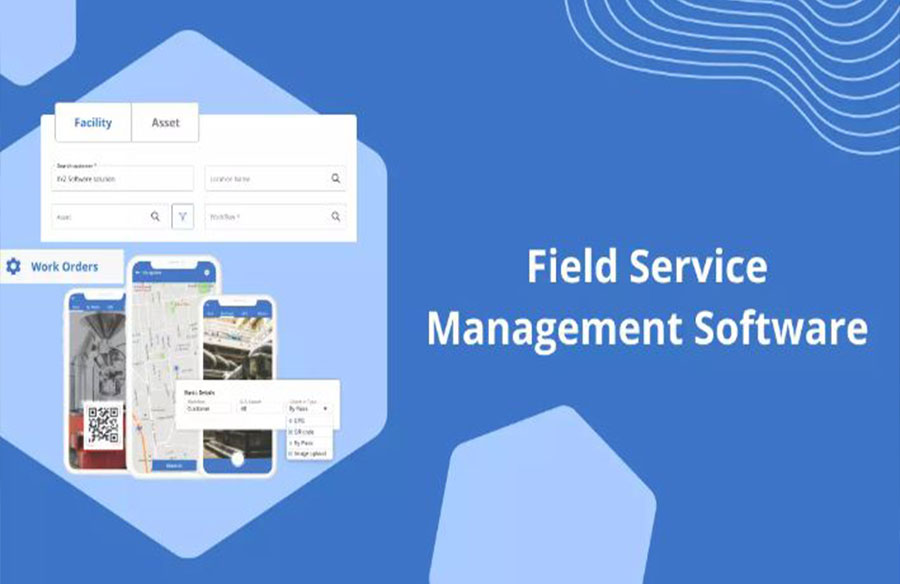
A field service management software is a dedicated automation tool for streamlining field service operations. It tracks all your KPIs and activities on-ground across sales, marketing, operations, customer support, etc. For example, it aggregates data from various sources, including equipment maintenance logs, work orders, and inventory records.
Then, it saves this data on the cloud and analyzes it using artificial intelligence algorithms. It prepares forecasts and updates them in real-time.
Additionally, FSM software facilitates collaboration among stakeholders by providing real-time access to budgeting information and allowing for scenario planning and “what-if” analysis.
5 budgeting workflows you can adopt using FSM software for facility management
Here are five key workflows you can implement using FSM software that would help with facility management budgets:
1. Expense monitoring and analysis
If your facility is exploring ways to cut costs, then FSM software can help. It can ensure compliance with budgetary limits and identify areas of overspending or underspending.
It will capture data from work orders, purchase orders for vendors, invoices, market rates, and other sources – thus, providing visibility into spending patterns and variances.
2. Set up budget thresholds for work order management
Work orders play a central role in facility management budgeting as they drive maintenance activities and associated costs. FSM software can completely automate all tasks under work order creation, assignment, and execution, thus capturing data. Then, you can issue budget thresholds set for each work order, triggering alerts or approval workflows when costs exceed predefined thresholds.
This proactive approach helps in controlling costs and avoiding budget overruns while operating the facility.
3. Vendor management and contract compliance
Outsourcing maintenance and inventory management activities to third-party vendors often lead to complexities in maintaining uptime and quality. Using FSM software, you can streamline complete vendor management processes. It maintains vendor profiles, tracks performance metrics, and manages contracts and service agreements.
For each of these tasks, you can set up budget controls to monitor spending on external services. You can also optimize vendor relationships, negotiate better terms, and minimize costs without compromising on service quality. All this is possible due to the visibility that FSM software provides to your facility.
4. Budget planning and allocation
FSM software equips you with the required tools to FSM software streamline this process by providing tools for creating detailed budget plans based on historical data, projected expenses, and organizational goals. You can categorize the budgets, set spending limits for each category, and prioritize allocation.
Most importantly, FSM software will give you visibility into the financial data and how things are panning out. With forecasts, you can plan ahead and have contingency plans in place.
5. Asset lifecycle budgeting
From acquisition to disposal – facility managers have to manage capital assets throughout their lifecycle. This includes estimations for upfront acquisition costs, ongoing maintenance expenses, and eventual disposal costs over the asset’s useful life.
FSM software helps you:
- Track asset depreciation
- Maintain relevant documents like contracts
- Forecast replacement and maintenance costs
- Optimize capital investments for better options available in the market
- Prioritize asset lifecycle management
With such comprehensive budgeting, you can improve facility uptime and be ready for any potential breakdowns with contingency plans.
Get started with field service management software for facility management and budgeting
Zuper covers a variety of operational workflows via its field service management and automation software. This includes handling finances and cashflows – and with a wide range of operations tasks covered, you get the most comprehensive financial reports.
Want to know more about how you can build custom budgets for your facility – book a demo today.







