

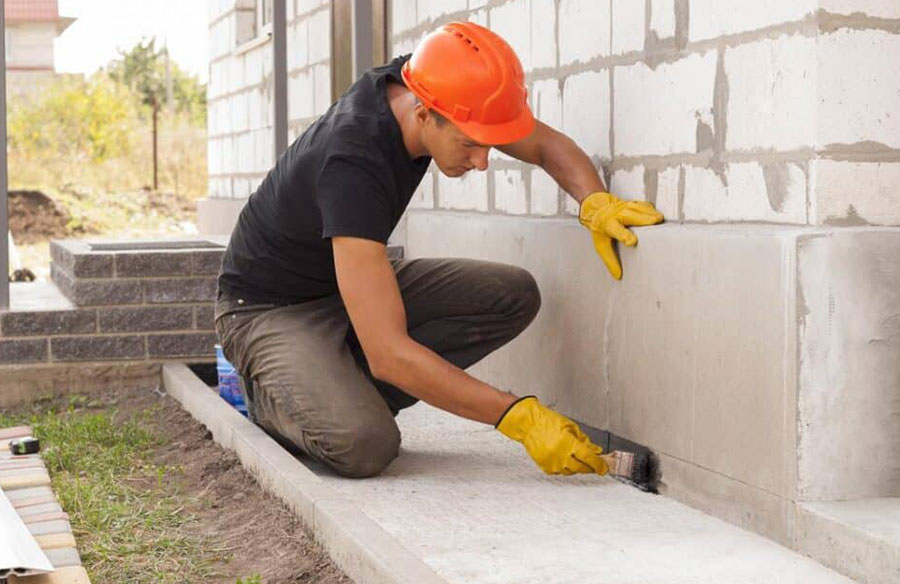
Many people have wet basements. The basements might have water leaks or mold growing. It may seem okay to live in a wet basement, but this is not a good idea. Even a little bit of water getting in over and over can cause big problems. The water goes into the concrete basement walls and floors. When it gets cold, the water freezes. When it gets warm, the water melts. This freezing and melting happens over and over. It makes the concrete bigger when frozen and smaller when melted. After many years, it breaks apart the concrete. This can make the whole house weak. It is smart to have someone who knows about basements come and fix the water problem before it gets bad.
Top Benefits of Waterproofing Your Home Basement
Basement waterproofing provides many benefits beyond just keeping water out of your basement. This important service protects your home’s structure and improves your overall living space. Here are the top advantages of getting basement waterproofing done:
-
Prevents Water Damage
When water constantly leaks into your basement, it causes extensive damage over time. The water soaks into the basement walls and floor, making them weaker. It can ruin belongings stored down there, like furniture, electronics, and boxes. The moisture also leads to cracks forming in the concrete foundation. Waterproofing stops this costly water damage from happening.
-
Improves Indoor Air Quality
Basements with lots of moisture allow mold and mildew to grow easily. These fungi produce a damp, musty smell that spreads through the whole house, making the air unpleasant. Mold can also cause health issues like allergies, asthma attacks, and other respiratory problems. Basement waterproofing removes dampness to improve air quality.
-
Protects the Foundation
The foundation is the most crucial part of your home’s structure. It supports the entire weight of the house. When water leaks into the basement, it slowly weakens and erodes the foundation over many years. This causes cracks, settling, and shifting of the foundation. Severe cases can lead to part or all of the home collapsing. Waterproofing forms a barrier to stop water from ever reaching and damaging the foundation.
-
Increases Livable Space
Many homeowners finish their basements to create additional living areas like recreation rooms, offices, or bedrooms. However, moisture problems make these basement spaces unlivable and unusable. Basement waterproofing allows you to safely utilize your entire basement to gain extra livable square footage and add value to your home.
-
Boosts Home Value
When selling a house, buyers will inspect the basement closely and deduct it from the price for any water issues or damage they see. A waterproofed basement demonstrates you took preventative measures, making your home more desirable. This allows you to sell faster and for a higher price. Waterproofing protects this important investment.
Common Reasons for Water in the Basement
Now that you know why basement waterproofing is important to keep water out of the crawl space under your home, let’s get to the main point. Here are six reasons why you may have water in your basement:
-
Leaks Inside the Home
Start by checking for any leaks coming from inside sources like sinks, showers, toilets, or pipes. Even a small drip can create a big mess in the basement over time. Finding and fixing a plumbing leak, either yourself or by calling a plumber, can stop that water from ending up in your basement.
-
Improper Ground Sloping
The ground around your home’s foundation should slope downwards, away from the house. If it slopes toward the home instead, water will pool up against the basement walls. That water can eventually work its way through any little crack and into the basement area. Building up the first to create a slope away from the house will direct water away properly.
-
Gutter and Downspout Issues
Your home’s gutters and downspouts are meant to carry rainwater away from the foundation. But if they are broken, clogged, or the downspouts don’t extend far enough, that water has nowhere to go except toward the basement walls. Clean out gutters regularly and attach extensions to downspouts so water flows at least 4 feet away.
-
Cracks in Foundation
Unsurprisingly, any cracks or gaps in the foundation itself will allow water to seep into the basement from the surrounding soil. Cracks happen due to settling soil, protruding tree routes, or just the concrete aging over many decades. Small cracks may be sealed easily, but larger gaps may require professional foundation repairs.
-
Condensation Buildup
Sometimes there are no outside leaks, but dampness still forms in the basement. This could be due to condensation happening when warm, moist air inside contacts cooler basement surfaces like walls or pipes. Poor insulation and ventilation makes this worse. Improving airflow and insulation levels can reduce this moisture issue.
-
Broken Sump Pump
Many basements have a sump pump that pushes out any groundwater entering from the home’s drainage system around the foundation. However, if the sump pump breaks down or loses power, the water quickly backs up to the basement, potentially leading to flooding. Maintaining or replacing an old sump pump is important.
How Professionals Waterproof the Basements
Getting basement waterproofing done by professionals is important. A wet basement can lead to big problems like damage to the structure of your home and health issues for your family. Professional waterproofers use different waterproofing techniques depending on the soil and climate where you live. It’s important to understand which method works best for keeping your basement dry.
One method is exterior basement waterproofing. This deals with water leaking from outside the foundation. Professionals will dig around the foundation, apply special waterproof coatings or membranes, and install drainage systems to carry water away from the house. When done correctly, exterior waterproofing can stop water from ever getting into the basement. However, it is very expensive and disruptive to your daily life as there is work happening around your home, and the drainage systems might get clogged over time, causing water problems later.
Another option is interior basement waterproofing. This handles water entering from inside the basement, catching it where the wall meets the floor. Interior waterproofing usually costs less and is less disruptive than the exterior method. The process includes fixing cracks, installing drainage systems, and using sump pumps. First, any cracks in the foundation are inspected and properly repaired to stop leaks. Do-it-yourself sealants are only a temporary fix because the materials can crack again when the foundation shifts. After repairing cracks, drainage systems are installed to redirect any water seeping in away from inside the home. Common choices are floor drains, which are grates in the basement floor that collect and remove water, especially during heavy rain, but they don’t work as well for small amounts of seeping water. Another option is French drains or drain tiles – a trench is dug around the basement with pipes in gravel that slope down to a drainage point, helping relieve water pressure against the foundation. Finally, sump pumps remove any collected water from the basement and pump it outside, away from the house.
Conclusion
Waterproofing your basement is one of the smartest ways to protect your home’s safety and value. As discussed, water constantly leaking into basements causes many problems like foundation cracks, mold growth, and structural damage over time. Hiring professionals to waterproof them with methods like interior drain systems or exterior coatings creates a barrier to stop water entry. This safeguards your basement and home’s integrity. It improves air quality, prevents costly repairs, and allows you to utilize the basement space. While waterproofing requires an upfront cost, it is a wise investment that pays off by avoiding expensive damage in the future. For any homeowner, taking this preventative step is extremely important for safeguarding your largest asset – your house.







