

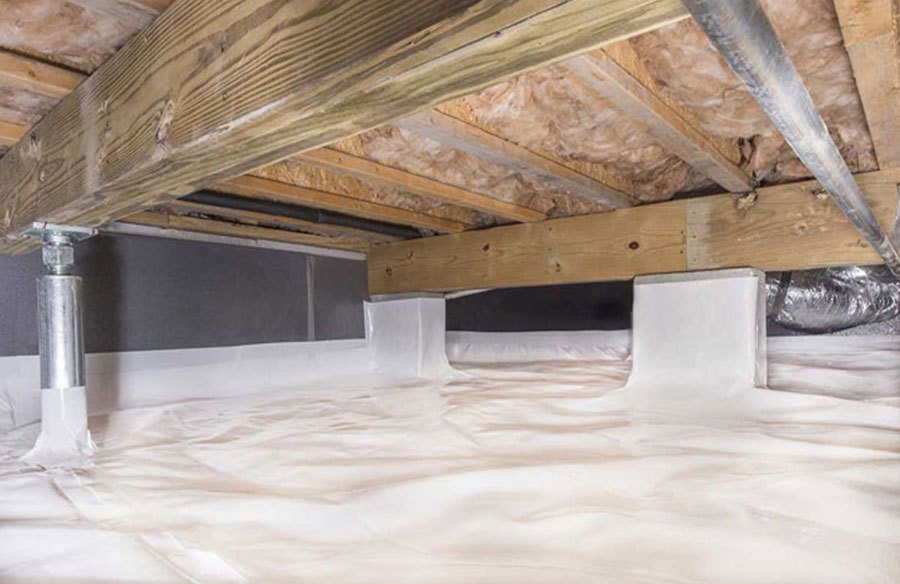
Crawl spaces have been a part of US homes for decades. Although homes with crawl spaces are at higher risk of flooding, 20% of newly constructed homes in America still have crawl spaces. Although crawl spaces strengthen the structure of your home and act as a buffer zone between the ground and the living space, they are prone to water intrusion. Unwanted water ingress presents quite a lot of challenges to the homeowners and the contractors.
The drawbacks of a wet space highlight the importance of waterproofing. However, traditional waterproofing methods have many loopholes such as requiring maintenance from time to time. Let’s find out some innovative architectural solutions for waterproofing your crawl space.
Common Crawl Space Problems
Due to the proximity of the ground, crawl spaces are at a very high risk of being exposed to water. This water exposure can result in a multitude of problems, such as:
Dampness
Inadequate ventilation and the potential for seepage are the main reasons for a damp crawl space.
Mold and Mildew
Mold and mildew are hydrophilic. Moisture accumulation is a call for these pathogens to start germinating.
Pest Infestation
Darkness and moisture attract pests like rodents, insects, and termites. They not only use wet crawl spaces as breeding grounds but also invite them to damage the building’s structural components.
Low Air Quality
Air loaded with pathogens and pollutants causes respiratory problems among the residents.
Factors Leading to Water Damage
Water damage in crawl spaces can result from various factors. The foremost contributor is groundwater infiltration. When water from the surrounding soil seeps into the crawl space, it gets flooded. Surface water runoff resulting from inadequate drainage systems or improper grading can also cause moisture intrusion in the foundation. Temperature fluctuations or humid climates create a temperature gradient between the interior and exterior of your crawl space, leading to condensation. Moisture can also enter your home’s foundation via vapor diffusion if it is poorly insulated.
Prolonged moisture exposure resulting from the problems above can weaken the structural elements and cause wood rot, cracks in walls, and settling or heaving. Mold infestations produce musty odors and some serious health hazards like asthma and chronic pulmonary disease.
Innovative Architectural Solutions for Wet Crawl Spaces
Traditional crawl space waterproofing techniques are quite effective, yet you have to spend time and money on regular maintenance and repairs. Architects and builders have come up with innovative yet effective solutions to combat moisture intrusion. Here are some waterproofing methods developed from an interplay between architecture and construction techniques.
-
Ventilation Systems
Proper ventilation ensures a healthy environment for home residents and prevents moisture-related issues. It reduces humidity levels, promotes air circulation, and prevents structural decay.
Traditional systems include passive vents, but contemporary ventilation systems include exhaust fans and humidity sensors. In innovative cross-ventilation systems, vents are strategically placed on opposite sides of the crawl space to maximize air circulation. Such systems take up moist air, adjust the airflow based on humidity levels, and facilitate optimal moisture control.
Architects carefully integrate ventilation systems into home designs to complement the aesthetics while maximizing functionality. They pay special attention to factors like vent placement, exhaust openings, and ductwork routing.
-
Vapor Barriers
Vapor barriers seal off the crawl space, thereby protecting it from groundwater seepage and humidity. As the name indicates, they act as a barrier against vapor diffusion. Now-a-days, advanced insulation materials such as rigid foam boards, fiberglass batts, and closed-cell spray foam have been used for waterproofing. These materials form a tight thermal envelope on the crawl area’s surface and prevent energy loss and water ingress.
Architects can help you with the placement and the right type of barrier. They can also integrate these elements in the early design phase to ensure indoor comfort and moisture management and safeguard the overall aesthetics against moisture.
-
Exterior Drainage Systems
Exterior drainage systems channel water away from the crawl spaces and reduce the risk of water ingress. French drains, downspouts, and surface drainage systems effectively prevent the groundwater:
Significance of Exterior Drainage in Diverting Water Away from Crawl Spaces
Exterior drainage systems play a crucial role in diverting water away from crawl spaces, reducing the risk of moisture infiltration and structural damage. Proper grading, gutter systems, downspouts, French drains, and surface drainage solutions help effectively manage stormwater runoff and groundwater, preventing them from accumulating around the foundation and infiltrating the crawl space.
Innovative Drainage Solutions for Different Geographical Locations
Innovative drainage solutions tailored to different geographical locations offer effective water management strategies for crawl spaces. In regions prone to tiles or perimeter drains, they can be installed to channel water away from the foundation. Additionally, rainwater harvesting systems and permeable paving solutions can help mitigate runoff and replenish groundwater supplies in arid climates.
Incorporating Exterior Drainage Systems into Architectural Designs
Integrating exterior drainage systems into architectural designs requires thoughtful planning and coordination to ensure functionality and aesthetics. Architects can design site grading, landscaping features, and hardscapes.







