The High Desert House in Joshua Tree – Iconic Projects of Kendrick Bangs Kellogg
In the realm of avant-garde architecture, Kendrick Bangs Kellogg stands as a visionary, and among his masterpieces, the High Desert House in Joshua Tree stands out as an iconic testament to his innovative prowess. This article delves into the intricacies of this architectural marvel, exploring its design, construction, and the profound impact it has made on the architectural landscape.
A Visionary Architect: Kendrick Bangs Kellogg
Before delving into the High Desert House, it is imperative to understand the mind behind the creation – Kendrick Bangs Kellogg. Born in 1934, Kellogg has been a prominent figure in the architectural world, renowned for his organic, sculptural designs that seamlessly blend with the natural environment.
The Genesis of High Desert House
Nestled in the arid landscapes of Joshua Tree, California, the High Desert House is a testament to Kellogg’s ability to harmonize architecture with nature. Constructed in the late 1980s, this residence was commissioned by a client with a passion for innovative design and a deep appreciation for the desert’s rugged beauty.
Architectural Ingenuity: A Closer Look at the Design
Organic Forms in Harmony
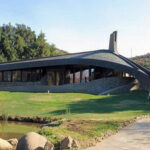
The design of the High Desert House is a symphony of organic forms, reminiscent of the surrounding Joshua Tree National Park. Kellogg, known for his disdain for right angles, embraced curvilinear shapes and flowing lines, giving the residence an otherworldly appearance. The use of raw materials, predominantly concrete and steel, further accentuates the integration with the natural surroundings.
Spatial Dynamics
One of Kellogg’s signature elements is his mastery of spatial dynamics. The High Desert House is a labyrinth of interconnected spaces, with each room offering a unique perspective of the landscape. Floor-to-ceiling windows frame panoramic views, blurring the boundaries between the interior and the vast desert expanse.
Sustainability Embedded in Design
Kellogg’s commitment to sustainability is evident in the design. Passive solar strategies are seamlessly integrated, harnessing the desert sun for warmth while strategically placed windows facilitate natural ventilation. The result is a residence that not only respects its environment but also actively engages with it.
Construction Challenges and Triumphs
Engineering Marvel: Overcoming Constraints
The construction of the High Desert House posed unique challenges. The arid landscape, while visually stunning, presented difficulties in terms of foundation stability. Engineers had to employ innovative techniques to anchor the structure firmly in the rocky terrain. The collaboration between Kellogg and the construction team was instrumental in overcoming these challenges.
Materials and Techniques
Kellogg’s affinity for unconventional materials is evident in the construction of the High Desert House. The use of exposed concrete, a hallmark of his designs, not only contributes to the building’s structural integrity but also adds an element of raw beauty. The intricate steel framework, reminiscent of desert flora, further enhances the visual appeal.
Architectural Impact and Legacy
Influence on Subsequent Designs
The High Desert House, with its bold departure from traditional architectural norms, has had a profound impact on subsequent designs. Kellogg’s innovative use of space and materials has inspired a generation of architects to reconsider the relationship between built environments and nature.
Recognition and Awards
Acknowledging its significance, the High Desert House has received numerous accolades. From architectural awards to features in prestigious publications, the residence continues to be celebrated for its groundbreaking design and its seamless integration with the surrounding desert landscape.
Conclusion: A Timeless Oasis in the Desert
Kendrick Bangs Kellogg’s High Desert House in Joshua Tree stands as a timeless oasis in the heart of the arid landscape. Its organic forms, sustainable design, and the sheer audacity to defy architectural conventions make it a beacon of innovation. As we continue to appreciate and study this iconic project, it serves as a reminder that architecture, when in harmony with nature, can transcend the boundaries of time and leave an indelible mark on the world.