Community Garden Design – Topics related to Sustainable Architecture
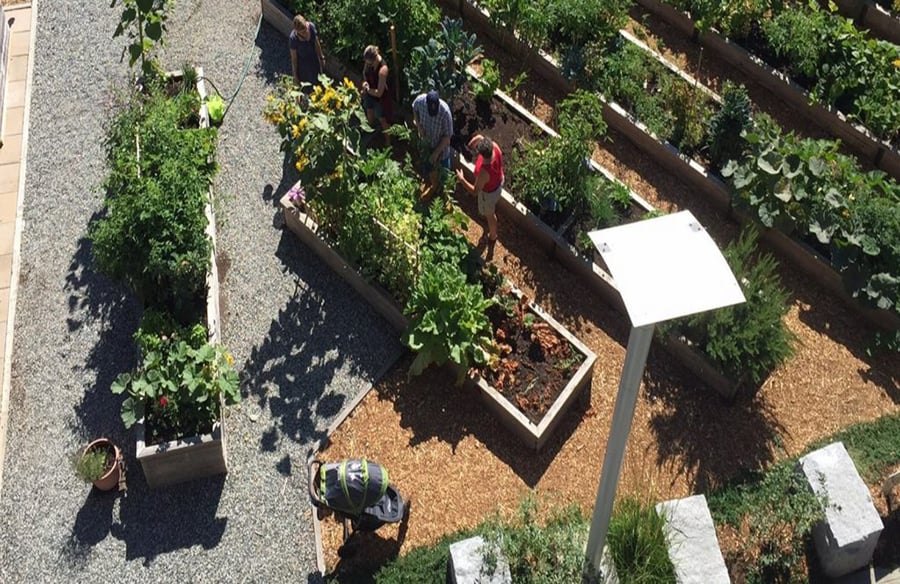
In the realm of sustainable architecture, the emergence of community garden design stands as a testament to the integration of nature into urban landscapes. This article explores the profound impact of community gardens, examining the intricacies of their design, construction, and the architectural nuances that contribute to sustainable urban living.
The Green Revolution: Statistics on Urbanization and Green Spaces
A statistical overview reveals that urbanization is on the rise, with over 55% of the global population residing in urban areas. Simultaneously, studies underscore the importance of green spaces in urban environments, emphasizing the need for sustainable solutions. Community gardens, as integral components of green infrastructure, address this demand by offering multifaceted benefits.
Environmental Impact: A Garden’s Ripple Effect
Research indicates that community gardens play a crucial role in mitigating environmental impact. These green havens act as carbon sinks, absorbing and sequestering carbon dioxide. Additionally, they contribute to biodiversity conservation, fostering a more resilient and balanced ecosystem within urban settings.
Design Principles: Crafting Sustainable Oasis in Urban Deserts
The architectural prowess behind community garden design lies in its adherence to sustainable principles. From the selection of locally adapted flora to water-efficient irrigation systems, the meticulous planning and execution of these spaces showcase a harmonious blend of functionality and ecological mindfulness.
Social Fabric: Nurturing Community Bonds
Community gardens transcend their botanical essence, serving as catalysts for social cohesion. Studies reveal that residents engaged in community gardening experience increased social interaction, enhanced well-being, and a sense of belonging. The spatial arrangement of these gardens fosters a shared environment, encouraging collaborative efforts towards sustainable urban living.
Food Security: Sowing the Seeds of Self-Sufficiency
In the context of global food security, community gardens emerge as vital contributors. Statistics underline the significance of local food production in reducing carbon footprints associated with long-distance food transportation. Community gardens empower residents to actively participate in sustainable agriculture, fostering a sense of self-sufficiency and resilience.
Urban Heat Island Effect: Cooling the Concrete Jungle
Community gardens act as natural coolants, countering the urban heat island effect prevalent in densely built urban areas. Research indicates that the strategic placement of green spaces helps regulate temperatures, providing microclimates that alleviate the heat stress experienced by city dwellers.
Inclusive Design: Gardens for All
An essential aspect of community garden design is inclusivity. Statistics demonstrate that inclusive garden spaces, accessible to all demographics, contribute to a more equitable urban environment. By breaking down socio-economic barriers, community gardens become hubs where diverse communities converge, fostering unity and understanding.
Water Management: Nurturing Growth Responsibly
Efficient water management is paramount in sustainable community garden design. Incorporating rainwater harvesting systems, drip irrigation, and water-efficient landscaping practices reduce the reliance on municipal water sources. Such measures contribute to water conservation and align with the broader goals of sustainable urban development.
Economic Benefits: Beyond Aesthetics
The economic benefits of community gardens extend beyond their visual appeal. Studies reveal that neighborhoods with well-maintained green spaces experience increased property values, fostering economic stability. Moreover, the collaborative nature of community gardening initiatives creates opportunities for local entrepreneurship and job creation.
Conclusion: The Evergreen Legacy of Community Garden Design
In conclusion, community garden design emerges as a verdant tapestry woven into the fabric of sustainable architecture. From environmental conservation to social inclusivity and economic resilience, these gardens encapsulate the multidimensional benefits of merging nature with urban living. As architects and urban planners delve into the intricacies of sustainable design, community gardens stand as enduring testaments to the harmonious coexistence of humanity and nature in the urban landscape.