Waste Recycling Centers – Topics related to Sustainable Architecture
In the dynamic landscape of sustainable architecture, the emergence of waste recycling centers signifies a paradigm shift towards responsible waste management. This article delves into the intricate design, construction, and architectural elements that transform these centers into vital hubs for sustainable urban development.
Global Waste Crisis: A Statistical Wake-Up Call
A comprehensive statistical overview underscores the magnitude of the global waste crisis. According to recent data, the world generates over 2 billion tons of municipal solid waste annually. The imperative for sustainable waste management practices, epitomized by waste recycling centers, becomes evident as the environmental repercussions of unchecked waste continue to escalate.
Environmental Impact: Mitigating the Ecological Footprint
Waste recycling centers play a pivotal role in mitigating the environmental impact of burgeoning waste streams. Research indicates that recycling one ton of paper can save approximately 17 trees, reducing deforestation and fostering biodiversity. Architectural ingenuity in these centers integrates advanced recycling technologies to minimize resource depletion and promote a circular economy.
Architectural Innovations: Aesthetic Functionality in Waste Recycling Centers
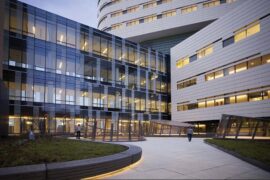
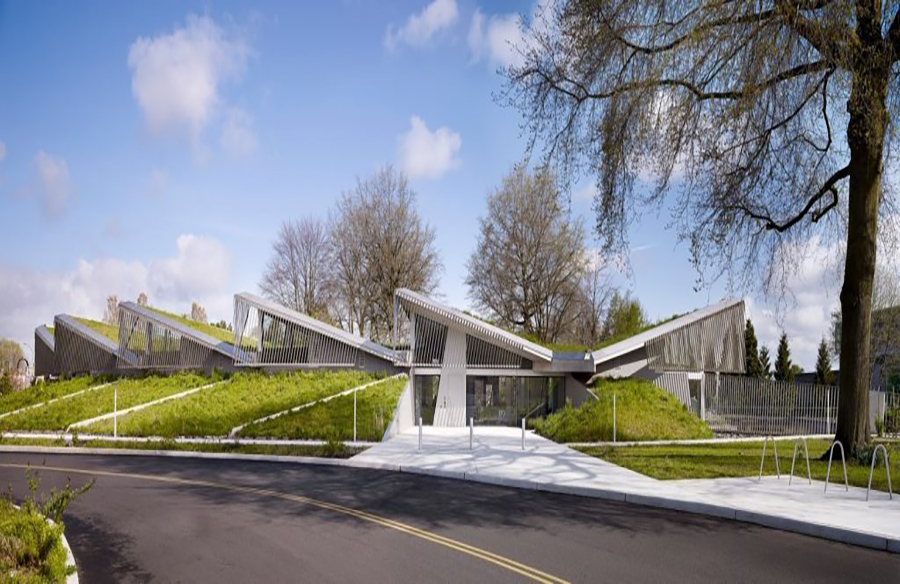
Architectural innovation in waste recycling centers goes beyond mere functionality. The design principles focus on creating visually appealing structures that seamlessly blend with urban landscapes. These centers utilize sustainable materials, energy-efficient systems, and green roofs, transforming them into architectural marvels that challenge traditional perceptions of waste facilities.
Technological Advancements: Precision in Recycling Processes
The heart of waste recycling centers lies in cutting-edge technology. The incorporation of advanced sorting systems, automated material recovery processes, and state-of-the-art machinery enhances the efficiency of waste segregation. These technological advancements ensure that recyclable materials are extracted with precision, optimizing the recycling rate.
Energy Recovery: Transforming Waste into Power
Waste recycling centers extend beyond recycling to embrace energy recovery. Statistics show that waste-to-energy technologies employed in these centers contribute to the generation of renewable energy. Architectural designs integrate facilities for harnessing energy from waste, providing an eco-friendly alternative to conventional energy sources.
Community Engagement: Fostering Environmental Awareness
Waste recycling centers serve as educational hubs, fostering community engagement and environmental awareness. Research indicates that communities with access to recycling facilities exhibit higher rates of recycling participation. Architectural elements, such as interactive exhibits and educational spaces within these centers, empower communities to actively participate in sustainable waste management company.
Economic Viability: The Financial Benefits of Recycling Centers
The economic benefits of waste recycling centers extend beyond environmental stewardship. Studies reveal that recycling one ton of plastic creates six times more jobs than landfilling the same amount. Architectural considerations in these centers incorporate facilities for job training and creation, contributing to the economic vitality of the community.
Urban Planning Integration: Waste Recycling Centers as Urban Icons
Waste recycling centers are integral components of urban planning. Their strategic placement and architectural prominence contribute to the overall aesthetics of urban landscapes. Studies show that well-designed recycling centers can enhance property values in surrounding areas, creating a symbiotic relationship between architectural aesthetics and sustainable waste management.
Waste Reduction Targets: Architectural Strategies for Success
Architects and urban planners are at the forefront of achieving waste reduction targets through innovative design strategies. Research indicates that well-designed recycling centers significantly contribute to meeting waste diversion goals set by municipalities. Architectural considerations include scalable designs that accommodate future increases in waste volumes and evolving recycling technologies.
Conclusion: Architectural Alchemy in Waste Recycling Centers
In conclusion, waste recycling centers emerge as architectural alchemy, transforming the seemingly mundane act of waste management into an elegant symphony of sustainability. From mitigating the global waste crisis to fostering community engagement and economic prosperity, these centers showcase the potential of architecture to redefine urban landscapes. As architects continue to push the boundaries of design and construction, waste recycling centers stand as iconic symbols of a sustainable future, where environmental responsibility converges with architectural ingenuity.