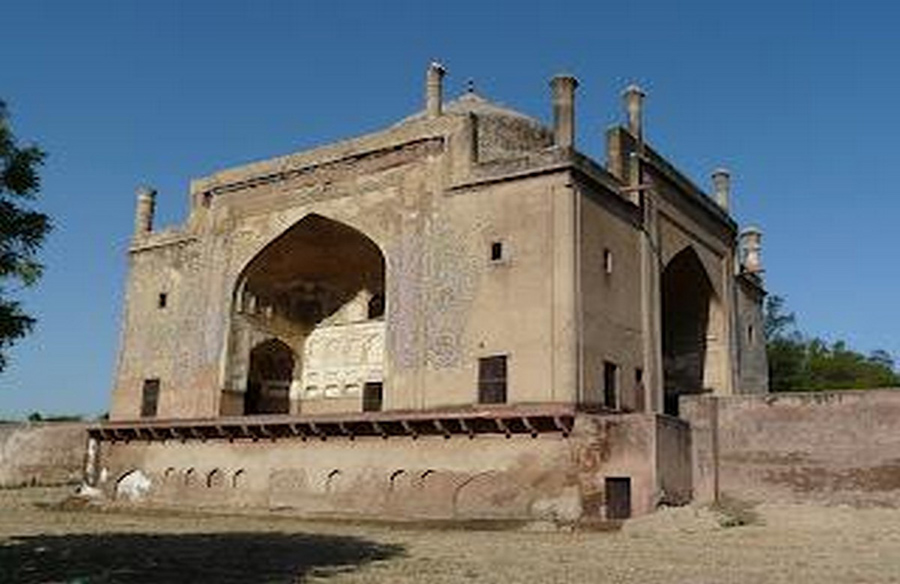
Chini ka Rauza Mausoleum – The lesser-known historical monuments in India
India, a treasure trove of architectural wonders, conceals within its historical tapestry a gem that whispers tales of the Mughal era – the Chini ka Rauza Mausoleum. Nestled on the banks of the Yamuna River, this lesser-known monument stands as a testament to the exquisite blend of Persian and Indian influences, narrating a story of artistic finesse and cultural convergence.
Unraveling Chini ka Rauza: A Historical Prelude
A Mughal Tribute
Chini ka Rauza, translating to “China’s Tomb,” is an architectural jewel commissioned by Shah Jahan’s Prime Minister, Allama Afzal Khan Mullah. Built in the early 17th century, this mausoleum serves as the final resting place for Afzal Khan, an influential figure known for his literary contributions and diplomatic skills.
Unique Architectural Synthesis
Chini ka Rauza is celebrated for its unique architectural synthesis, blending elements of Persian and Indian design. The mausoleum stands as a testimony to the cultural confluence prevalent during the Mughal period, where influences from various regions seamlessly merged into a harmonious architectural composition.
Architectural Grandeur of Chini ka Rauza
Ceramic Ornamentation
The hallmark of Chini ka Rauza lies in its intricate ceramic tile ornamentation, an art form that sets it apart from other Mughal structures. The façade of the mausoleum is adorned with stunning blue and turquoise-hued tiles, intricately arranged to form geometric and floral patterns. This exceptional use of ceramics reflects the artistic prowess of the craftsmen of that era.
Persian-inspired Dome and Minarets
Chini ka Rauza boasts a distinct Persian influence in its architectural elements. The dome, reminiscent of Persian design, crowns the mausoleum with elegance. Flanking the central dome are minarets adorned with intricate carvings, adding to the monument’s majestic silhouette.
Charbagh Garden Layout
Surrounded by a meticulously laid out Charbagh, or four-part garden, Chini ka Rauza embraces the Mughal penchant for symmetry and geometric precision. The garden not only enhances the visual appeal of the mausoleum but also reflects the symbolic significance of paradise in Islamic architecture.
Preservation Challenges and Conservation Initiatives
Weathering and Deterioration
Despite its historical significance, Chini ka Rauza faces challenges posed by weathering, environmental factors, and neglect. The ceramic tiles, in particular, are susceptible to deterioration over time, requiring careful preservation efforts.
Conservation Endeavors
Recognizing the importance of Chini ka Rauza, conservation initiatives have been undertaken to ensure its longevity. These efforts include restoration of the ceramic tiles, structural maintenance, and the implementation of measures to protect the monument from pollution and environmental degradation.
Visitor Experience at Chini ka Rauza
Architectural Odyssey
Visitors to Chini ka Rauza embark on an architectural odyssey that transcends centuries. The intricate tile work, coupled with the serene ambiance of the Charbagh garden, offers a glimpse into the artistic and cultural landscape of the Mughal era.
Cultural and Historical Significance
Beyond its architectural splendor, Chini ka Rauza holds cultural and historical significance. Educational tours and interpretive materials provide insights into Mughal lifestyle, design principles, and the historical context in which the mausoleum was built.