Navigating the Path of a Research Architect Post B.Arch – Things Architects can do after B.Arch
As architects embark on a journey beyond their foundational Bachelor of Architecture (B.Arch) degree, the role of a Research Architect emerges as a compelling and intellectually enriching avenue. This article meticulously explores the diverse opportunities available to architects considering a path in architectural research, shedding light on the educational, professional, and creative dimensions that define this specialized domain.
1. Pursuing a Doctorate in Architecture: The Research Odyssey Begins
For architects seeking to delve deep into the realms of inquiry, pursuing a Doctorate in Architecture becomes the gateway to an immersive research experience. A Ph.D. in Architecture allows architects to explore specific research questions, contribute to the body of architectural knowledge, and advance the understanding of critical issues within the field.
2. Specialization in Architectural Research Areas
Architectural research spans a broad spectrum of areas, from sustainability and urban design to historic preservation and digital technologies. Architects can specialize in their areas of interest, conducting research that addresses contemporary challenges and contributes to the ongoing discourse within the architectural community.
3. Collaborative Research Projects: Bridging Academia and Practice
Research Architects often engage in collaborative projects, bridging the gap between academia and practice. Collaborations with industry professionals, fellow researchers, and institutions provide architects with the opportunity to apply their research findings in real-world architectural scenarios, fostering a dynamic exchange of ideas.
4. Contributing to Architectural Theory and Criticism
Architectural research extends beyond practical applications to the realm of theory and criticism. Research Architects contribute to the theoretical foundation of architecture, exploring conceptual frameworks, critiquing existing paradigms, and pushing the boundaries of architectural discourse through scholarly publications.
5. Architectural Historiography: Unraveling the Past
Delving into architectural historiography allows Research Architects to unravel the rich tapestry of architectural history. By conducting historical research, architects contribute to a deeper understanding of architectural evolution, styles, and the cultural, social, and political contexts that have shaped the built environment.
6. Digital Tools in Architectural Research
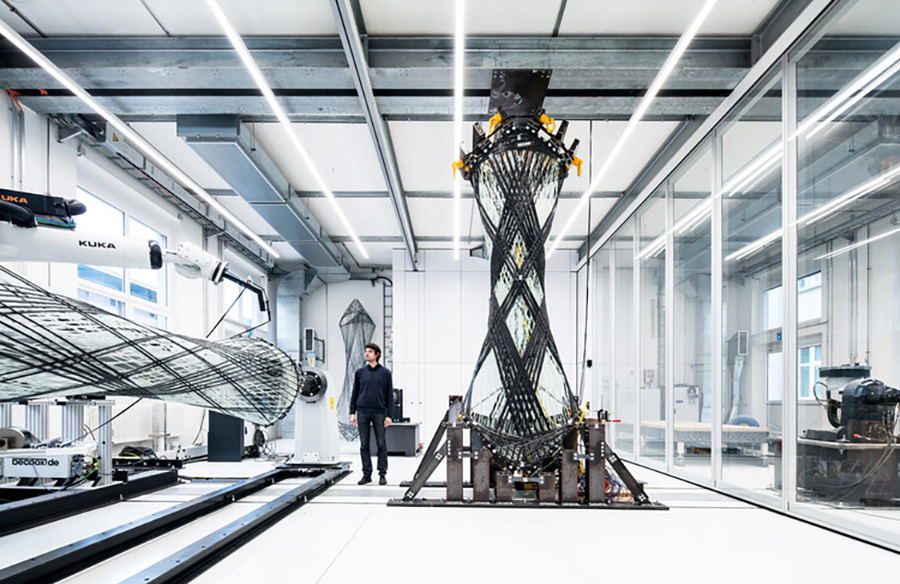
Advancements in technology have transformed architectural research methodologies. Research Architects leverage digital tools such as Building Information Modeling (BIM), parametric design, and computational simulations to enhance the rigor and precision of their research processes, opening new frontiers in architectural exploration.
7. Research in Sustainable Design Practices
Sustainability is a critical focus within architectural research. Research Architects delve into sustainable design practices, exploring innovative materials, energy-efficient technologies, and regenerative design strategies that contribute to the development of environmentally responsible built environments.
8. Human-Centric Research: Examining Occupant Well-being
Incorporating a human-centric approach, Research Architects conduct studies on occupant well-being within architectural spaces. This research explores the impact of design on the physical and mental health of occupants, informing future architectural practices that prioritize the holistic well-being of users.
9. Urban Research and Design Strategies
Architects engaged in research often delve into urban studies, exploring design strategies that address the complex challenges of urbanization. This may involve researching sustainable urban planning, transportation systems, and community-centric design approaches that contribute to the creation of livable cities.
10. Publishing in Architectural Journals and Conferences
Research Architects actively contribute to the academic dialogue by publishing their research in reputable architectural journals and presenting findings at conferences. Disseminating research outcomes ensures that the architectural community benefits from new insights, methodologies, and approaches that can shape the future of the profession.
Conclusion: Architectural Inquiry as a Lifelong Pursuit
Choosing the path of a Research Architect after B.Arch unfolds as a lifelong pursuit of architectural inquiry. Architects engaged in research contribute to the collective knowledge of the profession, shaping its trajectory and influencing the practice of future architects. Through rigorous investigation, collaborative projects, and a commitment to advancing architectural understanding, Research Architects become catalysts for innovation and progress within the dynamic field of architecture. As architects embark on the research journey, they embrace the transformative power of inquiry, propelling the profession into new dimensions of knowledge and discovery.