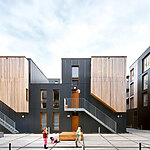
The Essence of Row Houses – Thesis topics related to Residential Design
Row houses stand as a hallmark of residential architecture, embodying a unique blend of history, functionality, and community. These compact, connected dwellings have a rich heritage and continue to shape urban landscapes worldwide.
History and Evolution
Tracing the Origins
The concept of row houses dates back centuries, with roots in ancient civilizations like Rome and Greece. The style evolved through various periods, gaining prominence during the Industrial Revolution, when urban populations surged.
Architectural Features
Design Elements and Structure
Row houses typically share walls and feature uniform facades, creating a cohesive streetscape. They often exhibit architectural symmetry, with consistent window placements, rooflines, and materials, presenting a visually harmonious ensemble.
Utilization of Space
Maximizing Efficiency
Their linear layout optimizes space, making them efficient and suitable for urban living. Each house, though connected, retains its individuality while contributing to the collective aesthetic of the row.
Community and Connectivity
Fostering Neighborhood Bonds
Row houses encourage community interaction, promoting a sense of belonging among residents. Shared walls and close proximity create a communal atmosphere, strengthening social connections.
Variations Across Cultures
Diverse Designs Globally
Row houses vary in style and construction across regions. From the Georgian terraces in London to the brownstones in New York City, each locale has its unique interpretation of this architectural form.
Modern Adaptations and Innovations
Contemporary Approaches
Modern architects have reimagined row houses, incorporating sustainable features, flexible layouts, and technological advancements without compromising the essence of this architectural typology.
Challenges and Solutions
Preserving Heritage Amid Urbanization
The preservation of historic row houses amidst urban development remains a challenge. Adaptive reuse, restoration, and stringent conservation policies are vital in safeguarding these architectural treasures.
Case Studies and Noteworthy Examples
Celebrating Iconic Row House Communities
Exploring renowned neighborhoods like Philadelphia’s Society Hill or Amsterdam’s canal-side row houses exemplifies the enduring appeal and adaptability of this architectural style.
Future Trends and Prospects
Sustaining Relevance in Modern Cities
As cities evolve, row houses continue to be sought-after for their charm, efficiency, and contribution to community living. Innovative designs blending tradition with modernity will likely shape their future.
Conclusion: The Timeless Appeal of Row Houses
Embracing Tradition, Embracing Community
Row houses, with their historical significance and adaptability, epitomize the balance between heritage and contemporary living. They stand as a testament to the enduring charm and functionality of residential design.