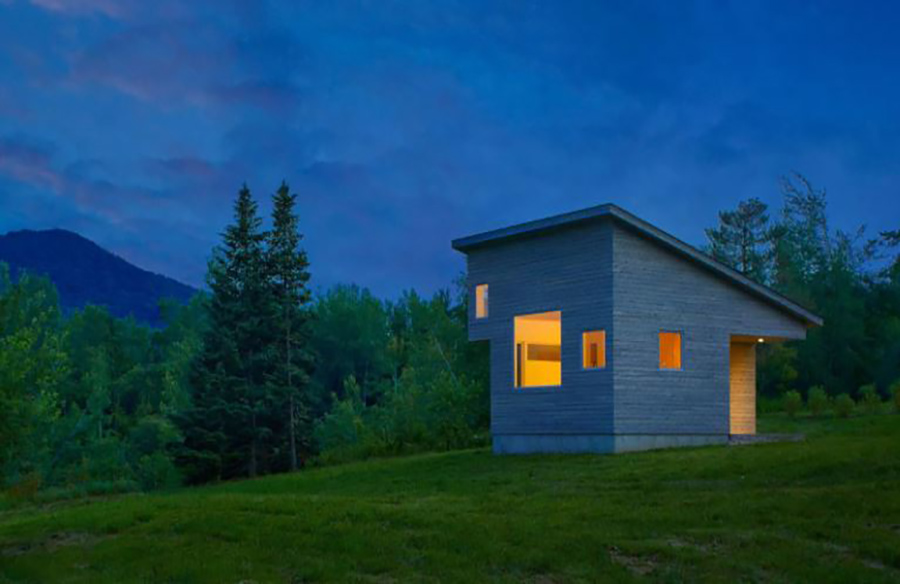
Unveiling the Charm of Tiny Houses in Residential Design – Thesis topics related to Residential Design
In the realm of residential architecture, the concept of tiny houses has sparked a revolution, redefining the essence of living spaces and challenging traditional norms. These compact dwellings, though small in size, pack a punch in functionality, sustainability, and creativity.
Understanding Tiny Houses
The Essence of Compact Living
Tiny houses, typically ranging from 100 to 400 square feet, prioritize minimalism and efficiency without compromising comfort. Their design revolves around optimizing space, often featuring multifunctional areas and innovative storage solutions.
Architectural Features
Crafting Space-Efficient Designs
The architectural blueprint of tiny houses focuses on maximizing every square inch. Lofts, foldable furniture, and smart layouts contribute to creating a sense of openness despite the limited area.
Sustainability and Eco-Friendly Living
Embracing a Greener Lifestyle
Many tiny houses adopt sustainable practices, utilizing recycled materials, solar panels, and energy-efficient systems. Their reduced footprint aligns with the principles of eco-friendly living.
Mobility and Versatility
Embracing the Nomadic Lifestyle
A subset of tiny houses is designed with mobility in mind, allowing homeowners to move their dwellings as needed. These portable tiny homes cater to individuals seeking flexibility and adventure.
Challenges and Benefits
Navigating Constraints, Celebrating Advantages
While space limitations pose challenges, tiny houses offer financial freedom, reduced maintenance, and a decluttered lifestyle. However, zoning regulations and infrastructure requirements can impede their widespread adoption.
Cultural and Global Perspectives
Global Trends and Local Adaptations
Tiny house movements have gained traction worldwide. From Scandinavian-inspired designs to culturally contextual adaptations, each region brings its unique flair to tiny house architecture.
Innovations and Modern Trends
Embracing Technology and Design
Innovative technology plays a pivotal role in enhancing the functionality of tiny houses. Smart home systems and modular designs cater to contemporary needs while maintaining the core principles of compact living.
Case Studies and Noteworthy Examples
Showcasing Inspiring Tiny House Communities
Exploring communities like the Tiny House Village in Portland or the WeeCasa in Colorado highlights the diversity and creativity prevalent in the tiny house movement.
Future Projections and Trends
Envisioning Tomorrow’s Tiny Houses
The future of tiny houses lies in further integration of sustainable practices, advancements in space-saving technologies, and increased acceptance in urban planning.
Conclusion: The Big Impact of Tiny Houses
Redefining Residential Living
Tiny houses, with their innovative design and sustainability focus, challenge conventional notions of homeownership. They stand as a testament to the power of compact living without compromising comfort or style.