The Essence of Community Living – Thesis topics related to Residential Design
Community living represents a fundamental aspect of residential design, emphasizing shared spaces, collaborative environments, and a sense of belonging. This approach to housing is rooted in fostering connections, encouraging social interactions, and creating vibrant neighborhoods within residential spaces.
Design Principles for Community Living
Shared Spaces and Social Interaction
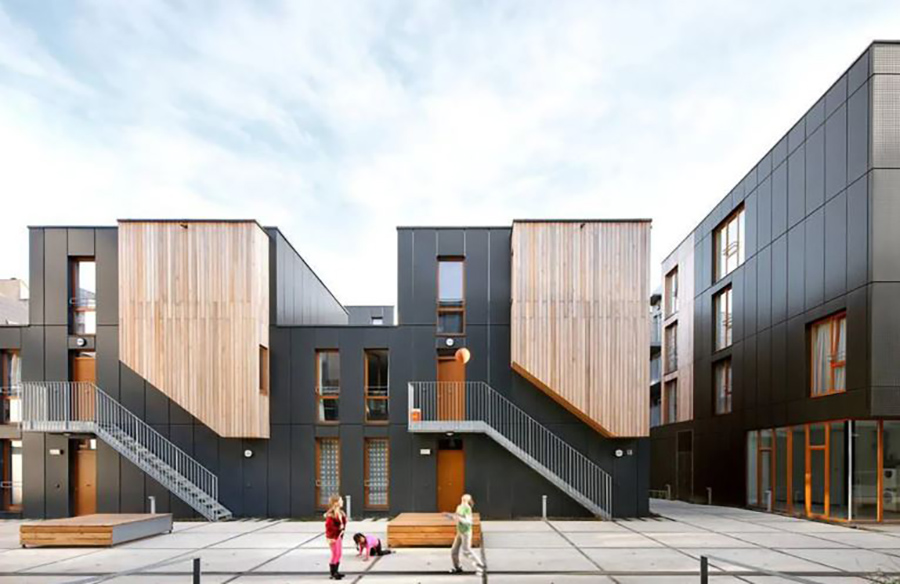
Community living places a strong emphasis on communal areas such as courtyards, gardens, and multipurpose rooms. These spaces facilitate interactions among residents, promoting a sense of community and camaraderie.
Integration of Amenities
Enhancing Quality of Life
Incorporating amenities like gyms, pools, communal kitchens, and co-working spaces within residential complexes enriches the lifestyle of inhabitants. These shared facilities encourage engagement and contribute to the overall well-being of residents.
Sustainability and Community Living
Eco-Friendly Practices
Architects are integrating sustainable elements into community living designs. Concepts like green roofs, rainwater harvesting, and energy-efficient systems align with the ethos of community living while reducing environmental impact.
Inclusivity and Diversity
Embracing Multicultural Environments
Community living embraces diversity by providing inclusive spaces that accommodate people from different cultural backgrounds, age groups, and lifestyles. This diversity enriches the community experience.
Challenges and Solutions
Balancing Privacy and Community
Designing spaces that foster community while respecting individual privacy is a challenge. Architects implement creative solutions such as zoning strategies, soundproofing, and private nooks within shared spaces.
Case Studies and Successful Models
Showcasing Community-Centric Designs
Noteworthy examples like cohousing communities in Denmark or pocket neighborhoods in the United States exemplify successful community living models. These case studies offer insights into the practical application of community-focused residential designs.
The Future of Community Living
Reimagining Residential Spaces
As urbanization continues and societal needs evolve, community living becomes increasingly relevant. Architects are innovating to create inclusive, sustainable, and socially engaging residential designs that prioritize community well-being.
Conclusion: The Power of Community in Design
Building Bonds, Creating Connections
Community living stands as a testament to the transformative power of architecture in fostering connections and nurturing a sense of belonging. It redefines residential spaces, turning them into vibrant communities where individuals thrive collectively.