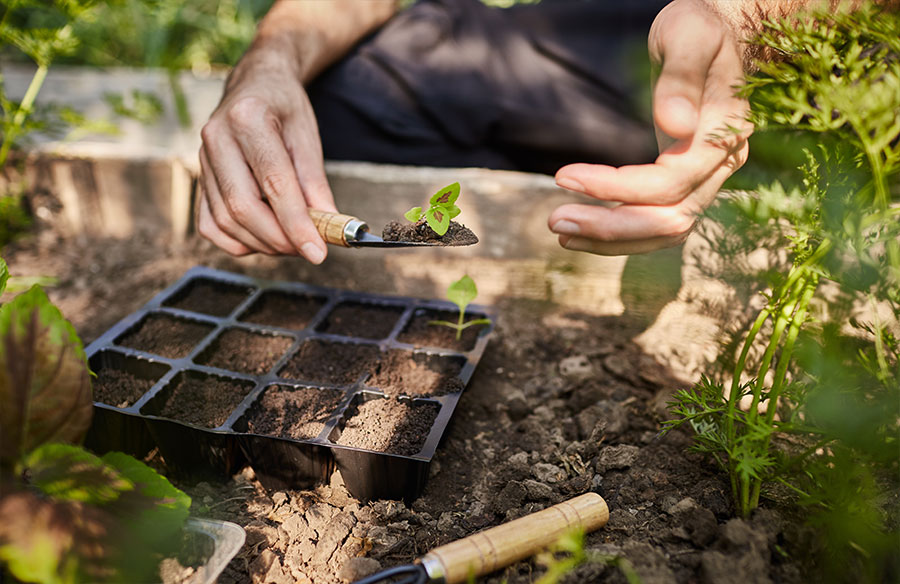
Planting in front of your house might seem hard. However, I want to help make it easy. I’ll guide you through each step, from planning to planting.
Choosing plants for the front of your house can stress new gardeners. Although, it’s not much different from any other garden bed.
I’ll simplify the foundation planting basics sharing lots of tips from planning to the front beds design. Finally, I’ll show you my front yard garden plan and step by step guide on planting.
What is a Foundation Planting?
Foundation planting means putting flowers and plants near your house. Usually, people think about the front. Happily, it can also be on the sides or in the back.
Foundation Planting Basics
I want to make this straightforward for you.
First, plan before changing anything in your yard. Don’t rush to remove old plants or buy new ones. Take some time to think.
Planning helps make your yard look great and makes picking plants easier.
Check the Sun Exposure
Before you plan, check how much sun the area gets. Some parts might get more sun than others. I had both shady and sunny spots, so I included that in my plan.
Measure & Beautify the Planting Area
If you’re planting near windows, measure how high they are. This helps pick plants that won’t cover the windows when they grow.
Also, measure the width and depth to know how many plants you need. Add shadow box fence to beautify the planting area.
Look at Your House Style
Think about your house style. Take pictures and show them at the garden experts. They can suggest plants that fit well.
Give the Right Space
Spacing is tricky but important. Don’t plant too close; it looks messy when everything grows. Wait a few years for plants to fill in. You can fill empty spaces with temporary plants.
Sketch Your Design
If you can’t picture everything, draw your plan. Use a photo or just sketch on paper. It doesn’t have to be perfect. Sketching helps you be creative.
How to Plan Your Front Yard Plants
Picking plants is exciting while it can also be a bit stressful. Here are some simple tips to help you choose the best plants and shrubs.
Check Plant Sizes
When planning, think about how big the plants will grow. Avoid ones that cover windows or need constant trimming. Be careful with trees and large shrubs, as they can cause problems when mature.
Think about Colors
Consider the colors of your house and choose plants that match or contrast well. Mix dark foliage with bright flowers for a nice look.
Consider Shapes
Look at your house shapes and choose plants that complement or mimic them. Don’t overdo it, though.
Plant in Layers
Plan your beds with tall plants in the back and shorter ones in the front. Don’t go by the sizes at the garden center; read tags for mature sizes.
Add Visual Interest
Avoid boring green plants. Use evergreen shrubs for a base and add contrast and color for a vibrant look. Match colors with your house features.
Create Unity
Think about your whole yard, not just the front. Try to match styles and plants from other areas for a unified look throughout your landscape.
How to Design Foundation Planting – Step by Step
I’ll guide you through the process of redesigning my front yard planting step by step. Let’s break it down:
Step 1: Remove Old Plants
Don’t worry about taking out old plants. You can keep the ones you like. Put them in pots or move them to a different spot in your garden.
Step 2: Test and Improve the Soil
Test your soil; it’s often not great quality. You might need to add stuff to make it better. Knowing its acidity helps you choose the right plants.
Step 3: Work the Soil
The soil is usually hard and compacted. Cultivate it to mix in the nutrients and make it easier for plants to grow. Keep the soil graded away from your house to avoid moisture issues.
Step 4: Plan Your Design
This is crucial. Lay out everything before digging. Place plants where you want them. Leave them in pots so you can move things around easily.
Step 5: Start with Focal Plants
These are like the background of your garden. Use shrubs, big perennials, or climbing vines. Make sure they’re the right size for the area.
Step 6: Add More Layers
After placing the focal plants, add the rest of the layers. The tallest ones go in the back, and each row down should have shorter plants. Measure spacing between plants and from the house.
Step 7: Take Some Time
Leave your design for a few days. If you still like it after a week, it’s good. Imagine how it’ll look when everything grows.
Step 8: Plant Everything
Dig a hole twice the size of the rootball and add water before planting. This helps roots grow better. Plant with the top of the rootball slightly above the soil line.
Step 9: Spread Mulch
After planting, the last step is to put mulch. Use natural hardwood mulch instead of rocks. Rocks get too hot in the sun and can harm plants. Also, rocks are difficult to work with if you need to dig or replant later.
Wood mulch keeps the soil moist, protects roots from heat, shields plants in winter, and provides nutrients as it breaks down.
6 Common Mistakes in Planting Near Your House
Stay away from these errors when putting plants around your home:
- Bushes are shaped like balls and arranged in straight lines (nature prefers curves, not straight lines).
- Evergreen plants planted so close to the house that they touch the walls.
- Plants growing too tall and blocking windows.
- Walkways with plants too close, sticking into the walking space.
- Grass grows as weeds under shrubs, reaching into the plants.
- Choosing only one color for plants (all green or, even worse, all evergreen).
Final Words
Planting around your house, especially in the front, might seem scary. Remember to go slow and follow the above. You’ll have flower beds that match your home and make it look great.