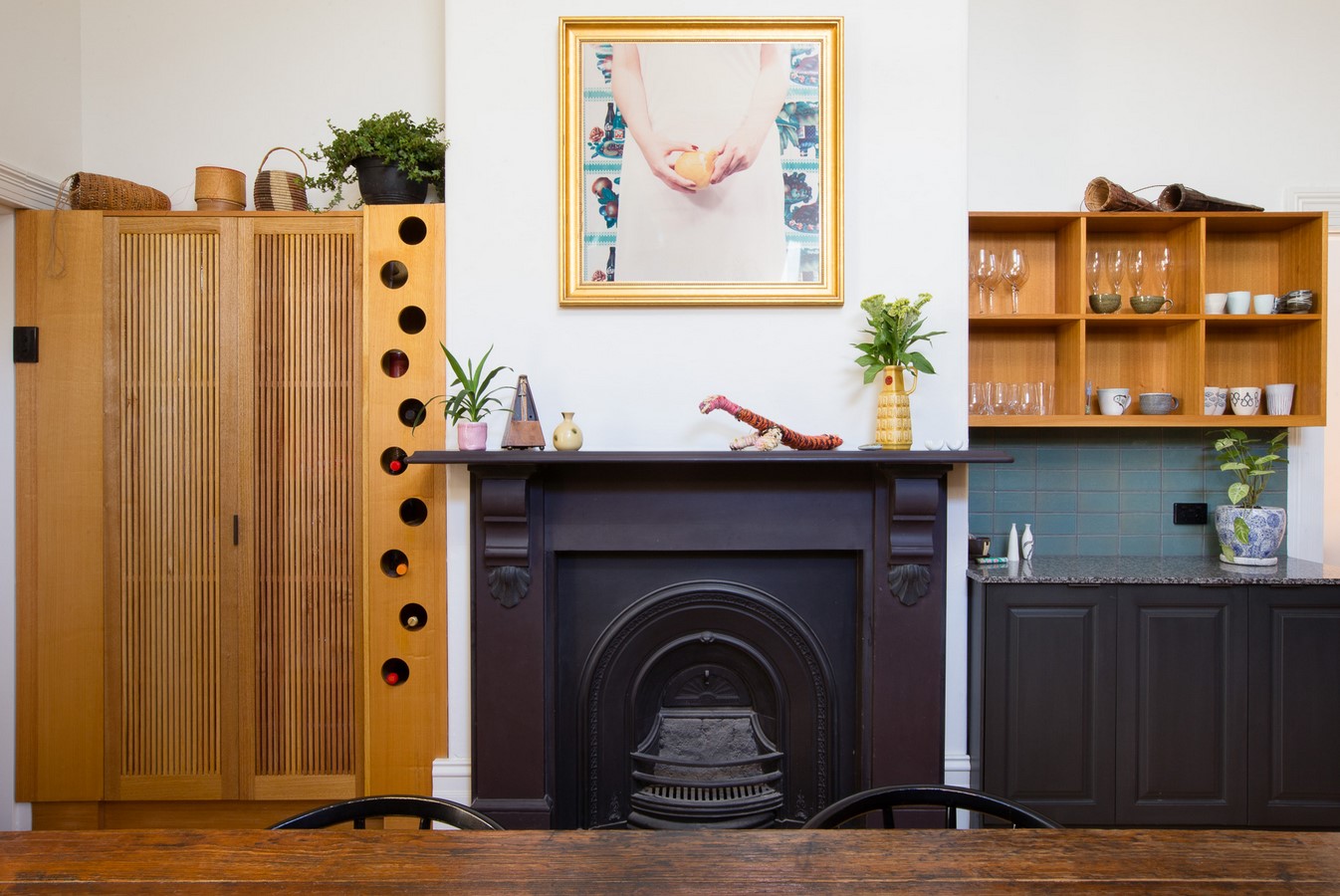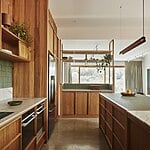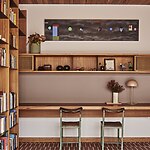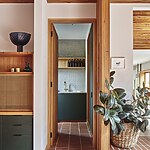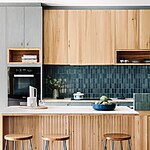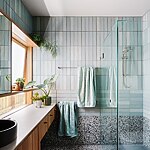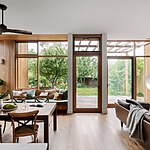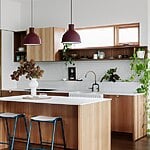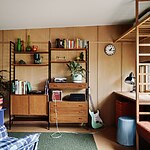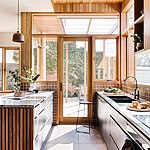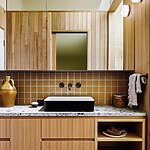
Ladies and gentlemen, esteemed guests, and design enthusiasts, welcome to another installment of Future Talks by RTF. Today, we have the distinct pleasure of engaging in a captivating conversation with a true pioneer in the world of design, Megan Norgate, Founder and Design Director of the Melbourne-based Architecture and Interior Design Studio, Brave New Eco.
Megan Norgate’s journey through the realms of design is nothing short of extraordinary. With a rich professional background in Set Decorating and Art Direction for film and television, Megan brings a unique perspective to the table—one that goes beyond the conventional boundaries of design. Her passion for reinterpreting existing environments in innovative ways reflects a commitment to pushing the boundaries of creativity.
As an Interior Designer and Permaculture Designer, Megan Norgate seamlessly integrates the built, interior, and ecological environments into her holistic design approach. What sets her apart is her unwavering dedication to sustainable design, evident in her development of a design framework rooted in Permaculture design ethics and principles. Megan advocates for sustainability within the broader industry, using her voice to speak and write regularly on topics that inspire positive change in design practices.
Beyond her role at Brave New Eco, Megan has made significant contributions to the academic sphere. She has developed and taught sustainable and ethical design electives at the School of Architecture and Design at RMIT, further solidifying her commitment to nurturing the next generation of design thinkers.
In today’s Future Talk, we have the privilege of delving into Megan Norgate’s mind, exploring her insights into using design as a powerful tool for ecological resilience and social change.
RTF: Hi Megan, We are glad to have you as a guest on Future Talks by RTF. Thanks for joining us. What is your design philosophy and how did it develop? How does Brave New Eco reflect it?
Megan: My personal design philosophy is one of deep resourcefulness. This is expressed in diverse ways: firstly as being potential seekers by paying attention to, and valuing what exists already; secondly as a rigour in questioning the necessity of each design resolution, cost (environmental as well as economic vs impact); the third is a minimising of the designers ego in the process, allowing function and purpose to trump aesthetic outcomes if necessary in the hierarchy of decision making. Brave New Eco reflects that across the breadth of our work, we have a strong focus on adaptive reuse and creative problem-solving with minimal footprint extension in our residential and commercial work.
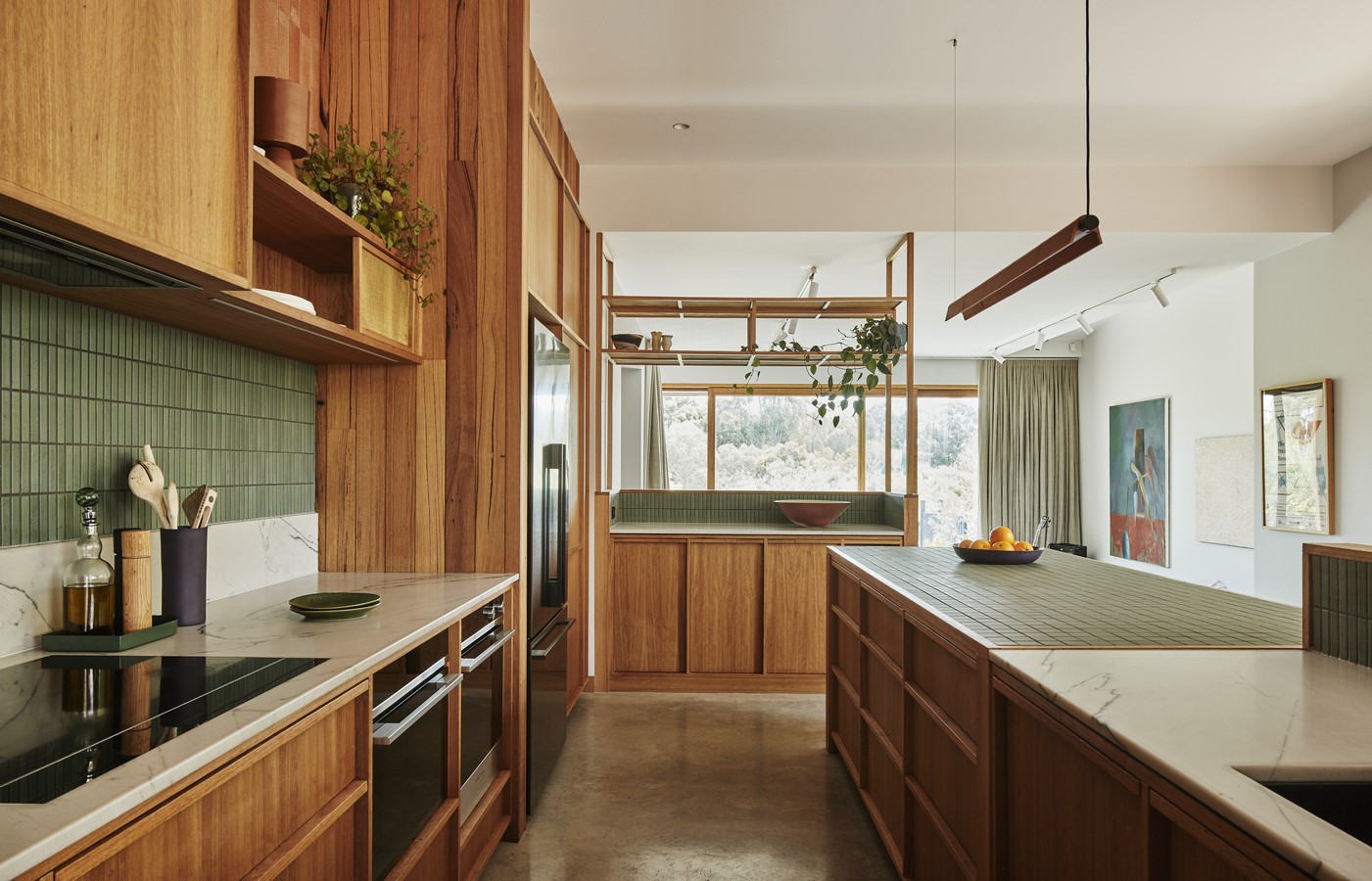
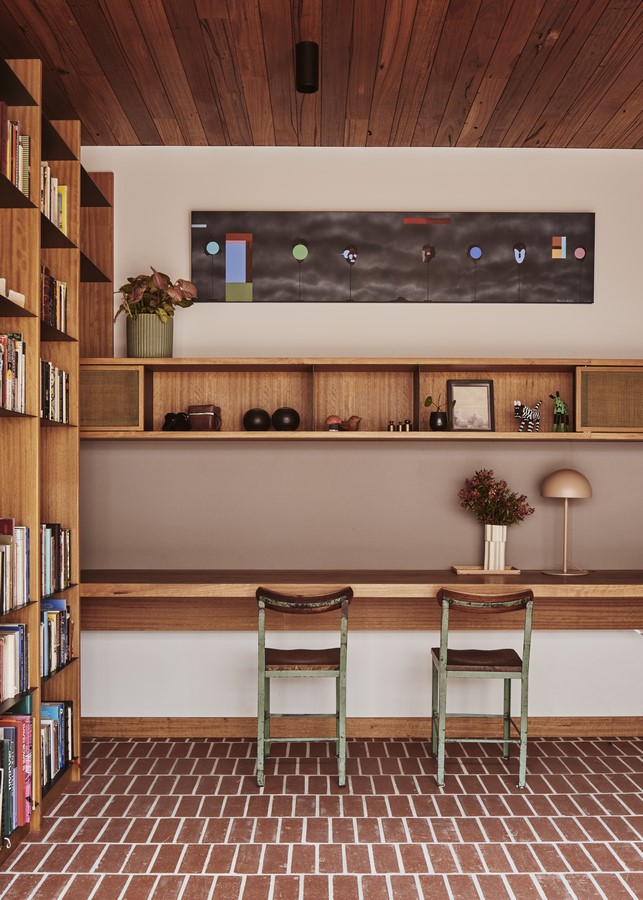
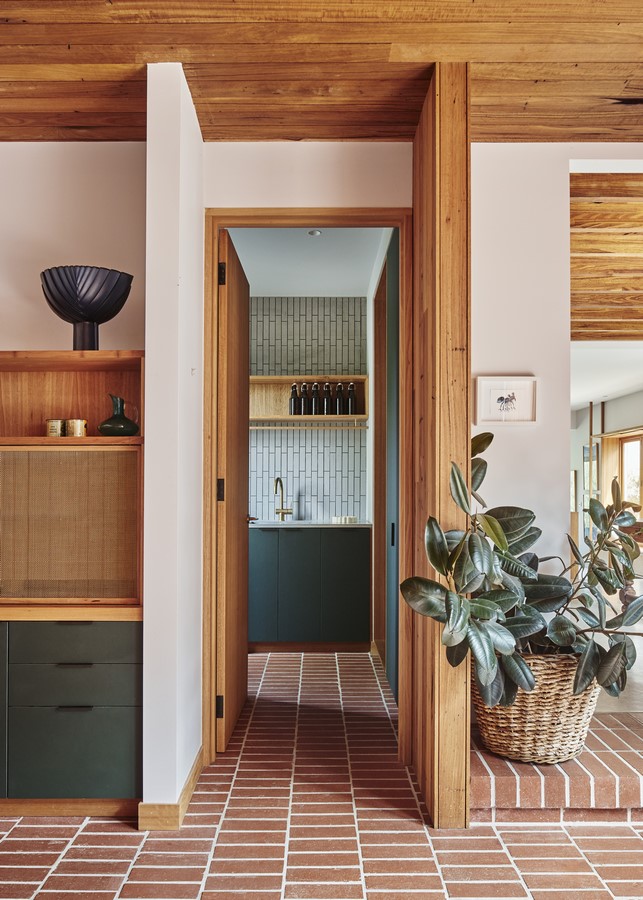
RTF: How have you shaped yourself creatively? What are the constant efforts towards it?
Megan: I have been mostly shaped creatively by things outside the spectre of the design industry. I came from a fine arts university background and appreciate materiality through years of working with clay, metal and printing mediums to create sculptural works. As a child, I learnt to appreciate craftspersonship working alongside my talented crafter grandmother and woodworker uncle. My first career was in the film industry as a set dresser and decorator, which left me with an ability to interpret and transform spaces quickly and under pressure. I am inspired continually by Melbourne’s vibrant visual and performing arts community. At this stage of my life, time out of the city in the natural environment, where my ability to observe and problem-solve is cultivated and challenged, is my biggest source of ongoing inspiration.
RTF: What is your process of developing the initial thoughts about a project? How do you start?
Megan: I design in conceptual building blocks, moving between creativity and rationalisation. Firstly, listening. We spent a lot of time at the beginning of the project establishing a brief around shared values and understanding who our clients are and their specfic needs. Secondly: Observation. When we measure up a new project, the whole team attends. We photograph the existing conditions exhaustively, documenting all the architectural elements, surface textures, the inhabitant’s belongings and the surrounding flora and fauna. We use this visual library to create a snapshot of what exists, and to identify what resources can be retained, reused or developed. Once we have gathered this crucial information we get together as a group to discuss the objectives of the projects then free-draw schematic designs,
RTF: How is the urban population’s perception changing towards the interiors?
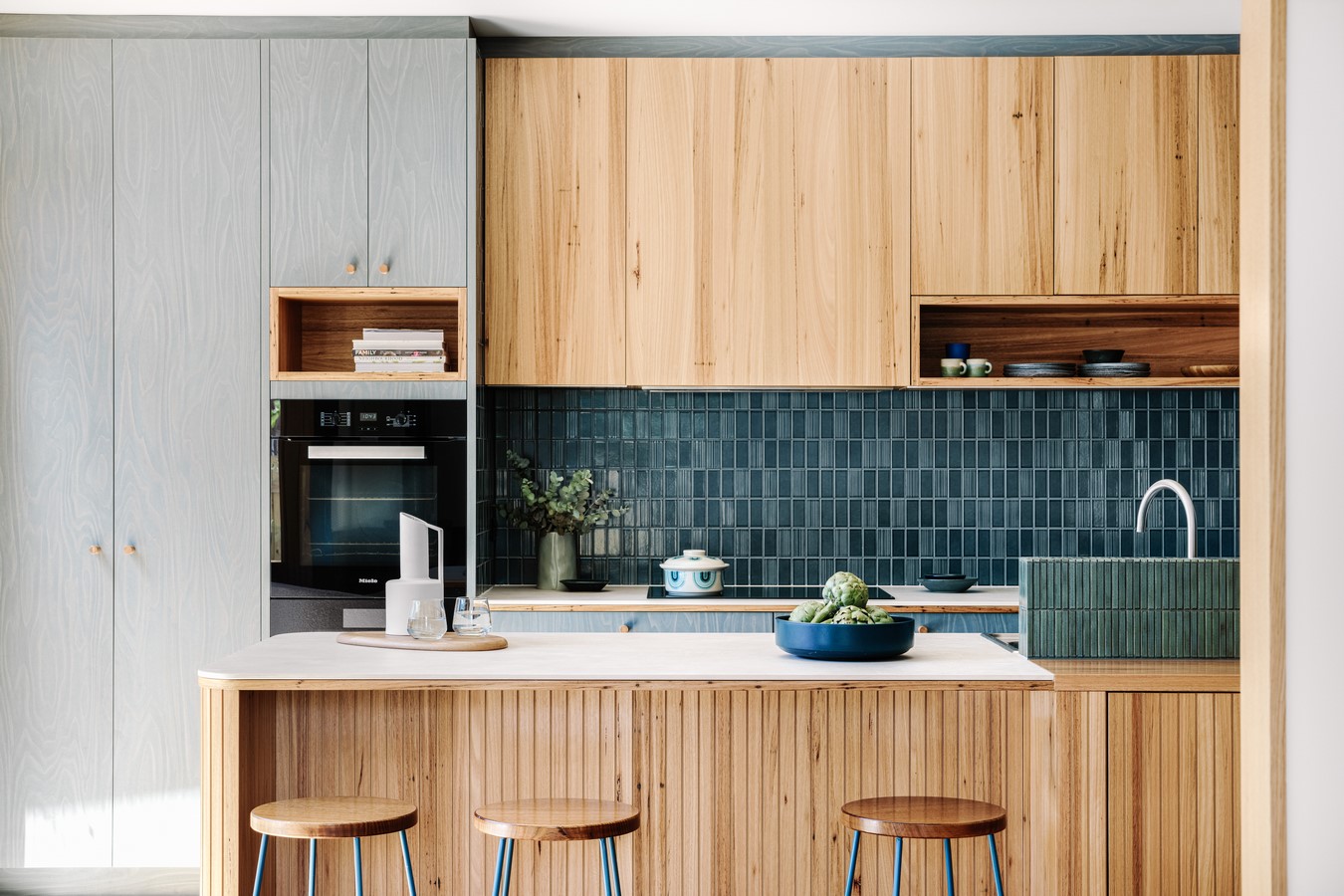
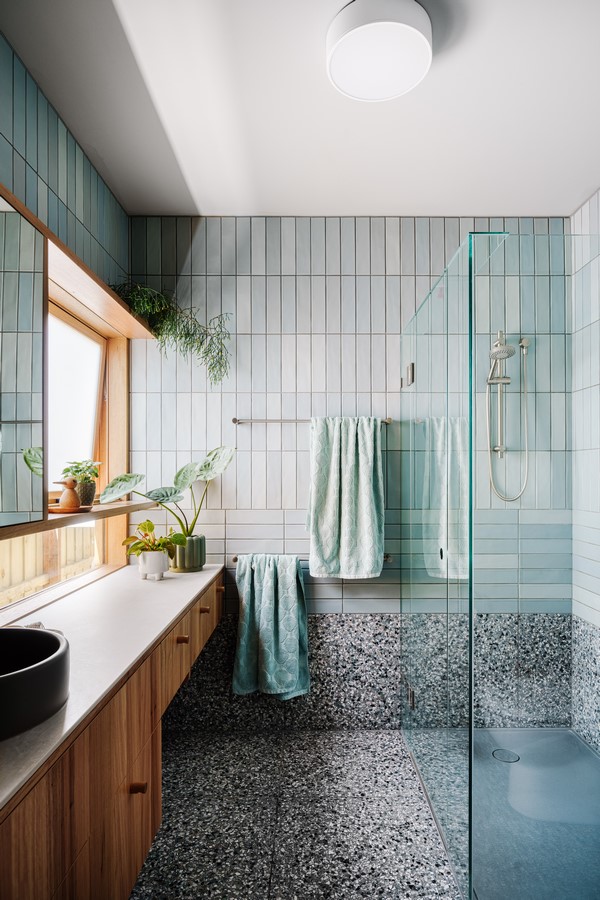
Megan: Homeowners are looking for their homes to work harder than they used to, increasingly, spaces must function for multigenerational living and work from home. I hope people are decoupling their idea of interior spaces from the whims of fashion and learning to surround themselves with items that have resonance, usefulness and meaning.
RTF: How important do you consider ‘upskilling’ in the design landscape, looking through the lens of technological advancements?
Megan: I think we are about to see paradigm shift in the way we document and communicate designs, with AI technology starting to play a major role. Some of this could be useful, much of design documentation is laborious, repetitive and could be automated, (such as annotation, cross-referencing for local building standards etc) freeing designers up to focus on creative outcomes. There is also a big risk with automation, it de-couples the designer from a level of attentiveness to detail that is essential. When using new technologies to create visual presentation documentation we could lose something vital in the process, a sort of intimacy a designer has with the details the emerges through the careful and attentive wrangling of them into a buildable form.
RTF: Can you share any challenges you’ve encountered in the process of getting your work published and how you overcame them? Are there any lessons you’ve learned over the years that have significantly improved your success in this area?
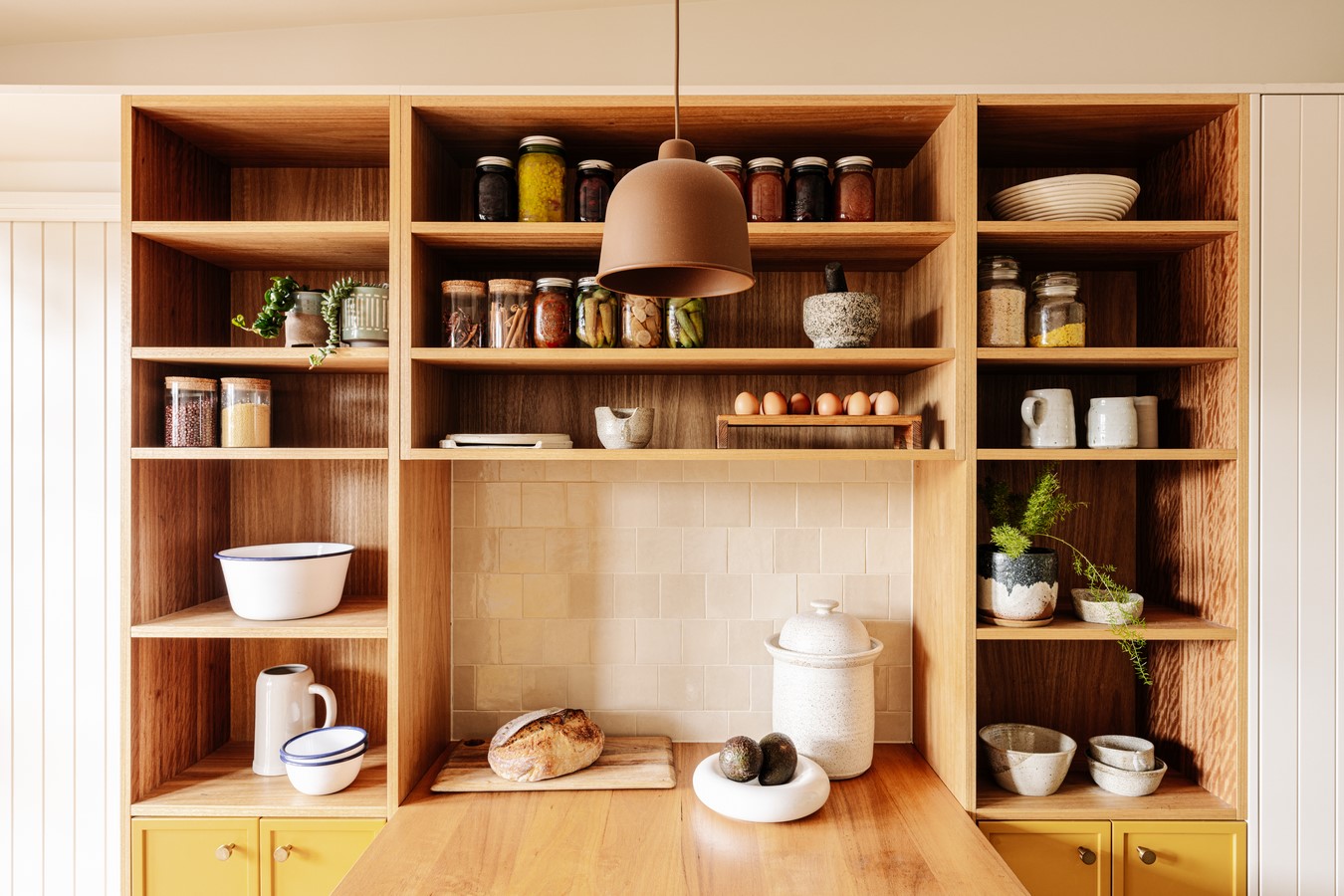
Megan: You have to ask yourself what you are hoping to achieve out of being published? Is it to win clients, build your brand or to have influence on the industry. Our experience is once you have high quality images and are creating resonant work there are no barriers to being published, as the hunger for content is immense. One lesson I have learned is how difficult it is to making sure your work is represented in way that is not reductive. Once work is published online, images travel wider than stories, and this can lead to the aesthetic elements of the work being decoupled from the whole story of what makes a design outcome interesting or successful.
RTF: How do you measure the impact of having your work featured in publications, both professionally and personally?
Megan: I enjoy when a publication takes the time to learn about a project and then write about it from a genuinely new perspective rather than regurgitating what has been written before. This quality of insightful journalism is sadly becoming rarer.
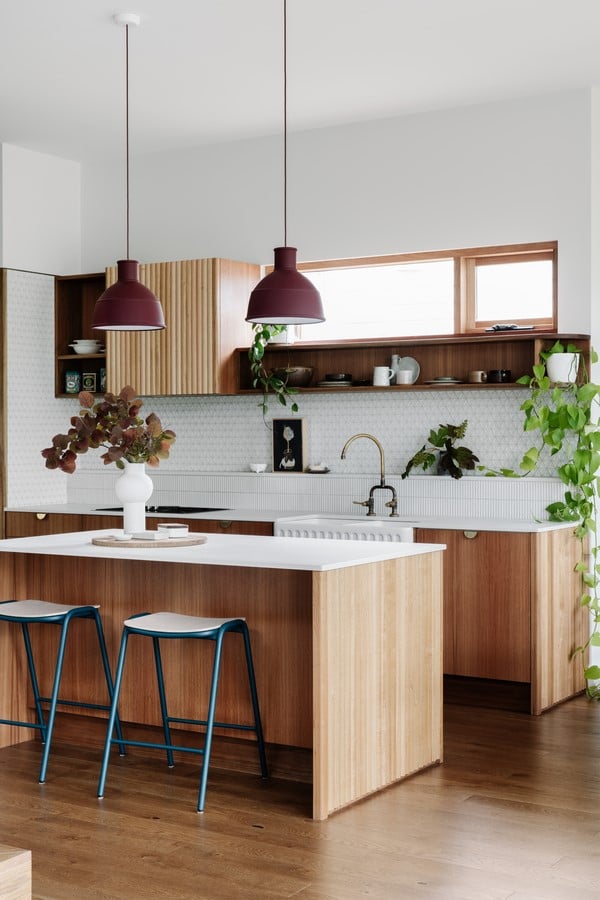
RTF: What advice would you give to emerging architects (and designers) who are looking to increase their chances of getting their work published? Are there any specific resources or platforms that you would recommend for (designers) seeking publication opportunities?
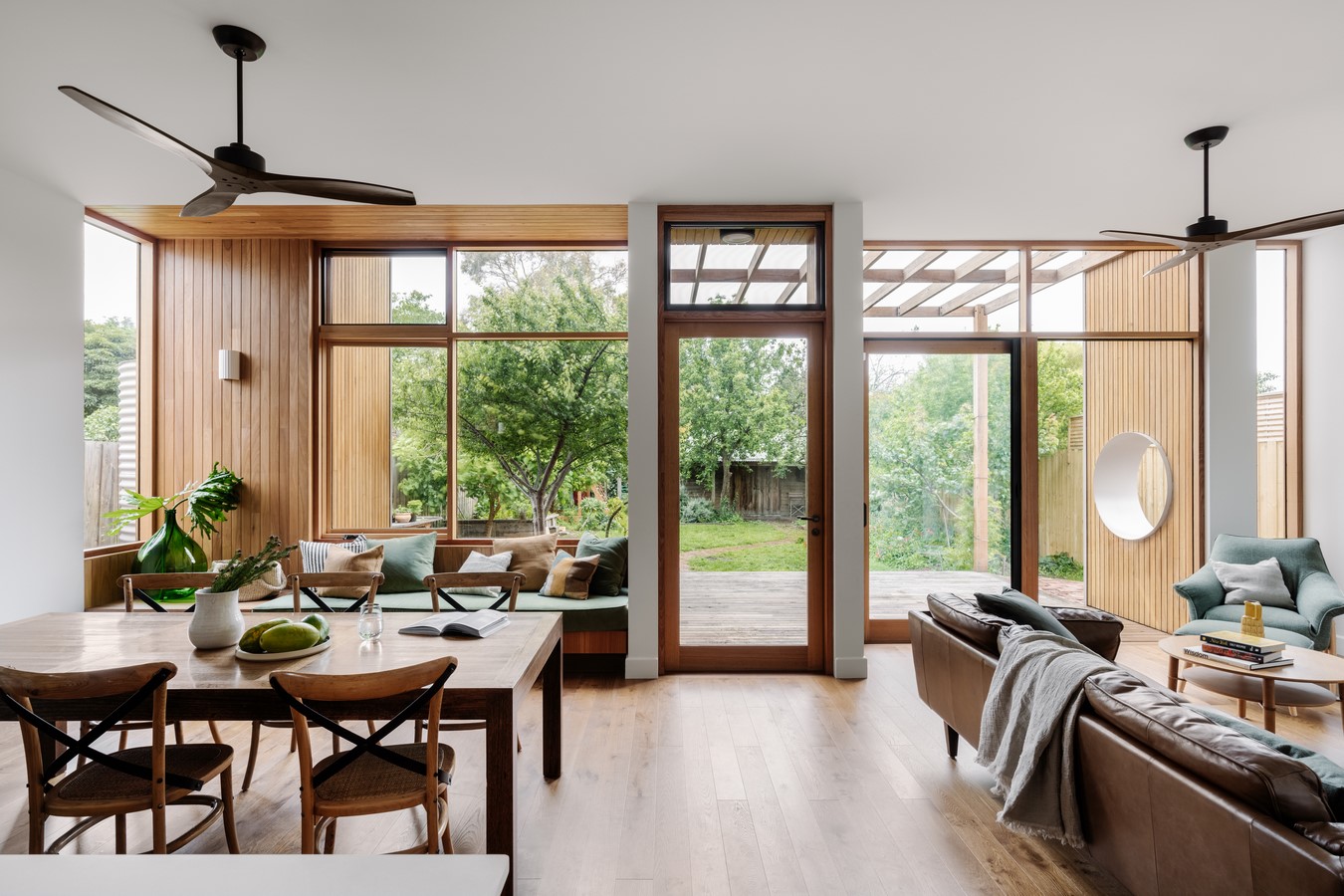
Megan: Work with a photographer who understands your brand, take high quality photos, and then share them yourself on a well designed website and social media. If they are good, the publications will find you.
RTF: How do you foresee architecture and design to transform in the coming years?
Megan: Buildings will need to be able to withstand extreme weather events, and be able to operate in situations of loss of distributed power and infrastructure networks etc. Essentially we will need resilient buildings that are climate disaster ready. We will see immense technology leaps in construction and building efficiency. We will also see increased portability, dematerialisation and temporality of buildings as relocations of vulnerable neighbourhoods and temporary portable shelters become more important. Resource shortages will change construction methods. The increasing costs and complexity (environmental and economic) of building will encourage more adaptive re-use. (we hope)
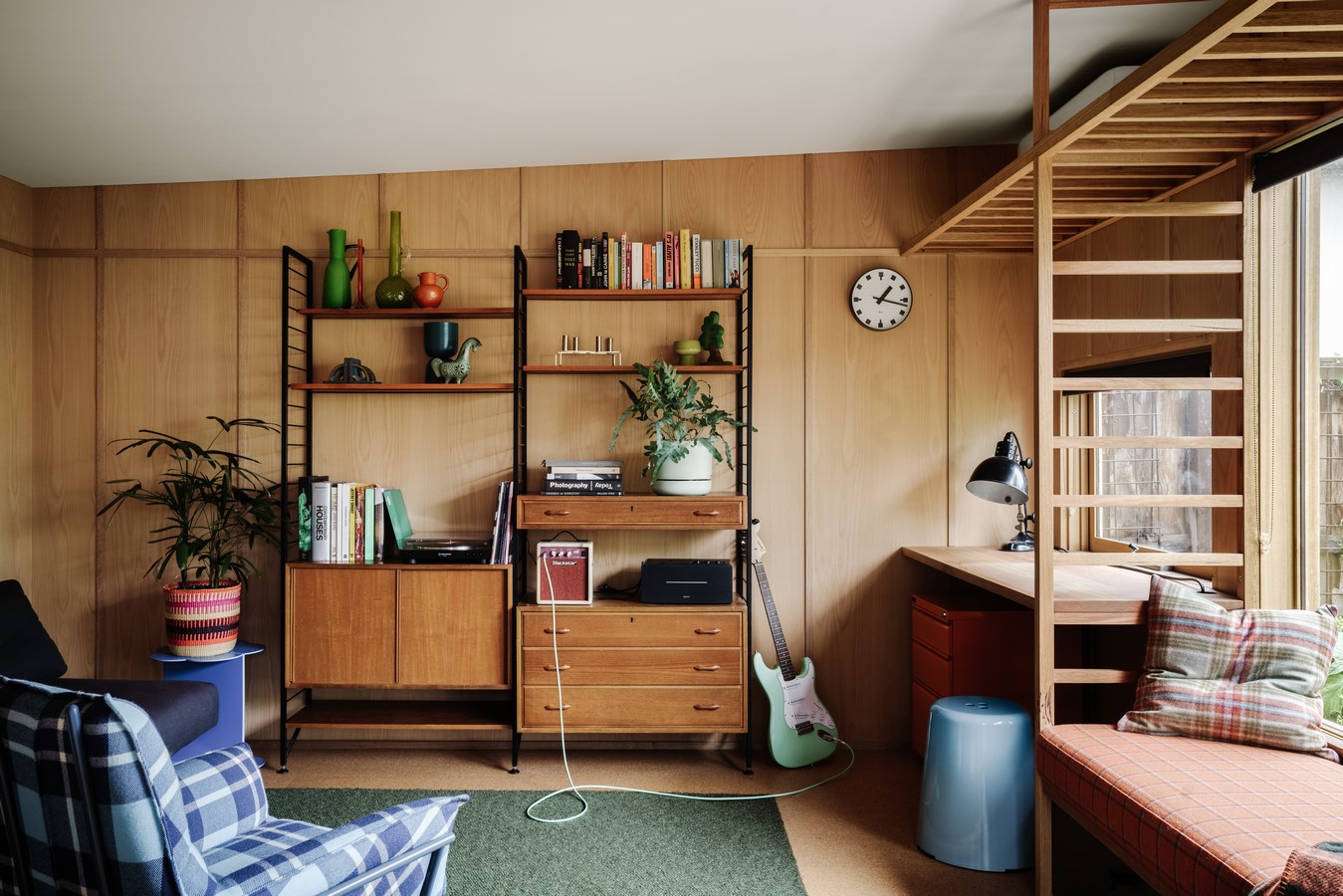
RTF: Who has been your inspiration throughout your design journey?
Megan: I am inspired by our clients, whose commitment to a more resourceful, less wasteful way of life drives us. I am also inspired by my co-director Jo and our company team, we bounce off each other to keep generating solutions and support one another when we get stuck. Finally, I am inspired by design thinkers/observers and environmental activists; this list is by no means exhaustive- but includes Rachel Carson, Tim Flannery, Amanda Talbot, Leslie Williamson, Rosemary Morrow, Bill Mollison and David Holmgren.
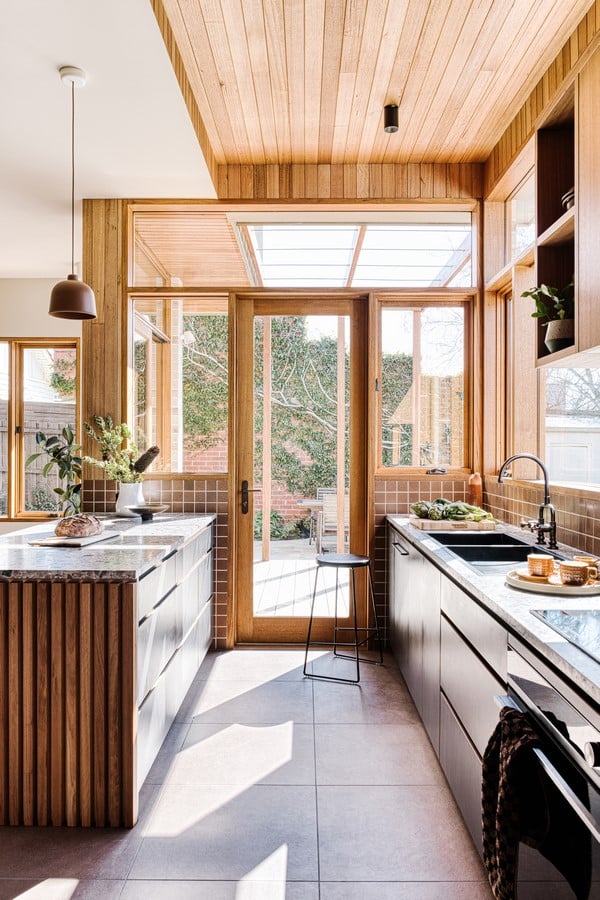
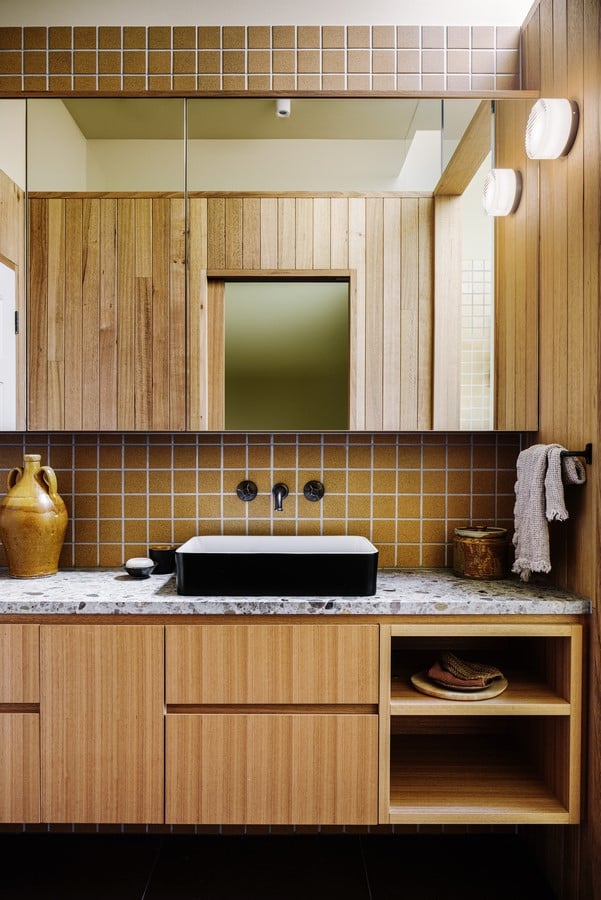
RTF: Which has been the most rewarding project for you until today? And, what factors made it so?
Megan: I couldn’t possibly pick one! Each project has its own challenges and triumphs. The rewards are found in the success of a new solution we have prototyped for the first time, a joyous and productive collaboration, the happiness and gratitude of a clients. In many way’s the clients/ projects with the greatest needs, most challenging design problems to solve become the most rewarding.