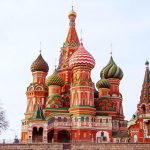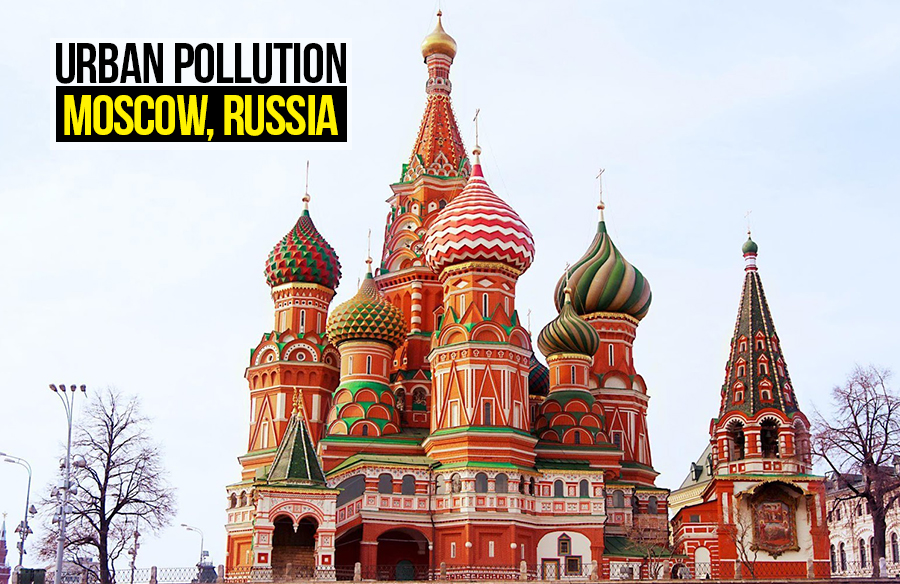
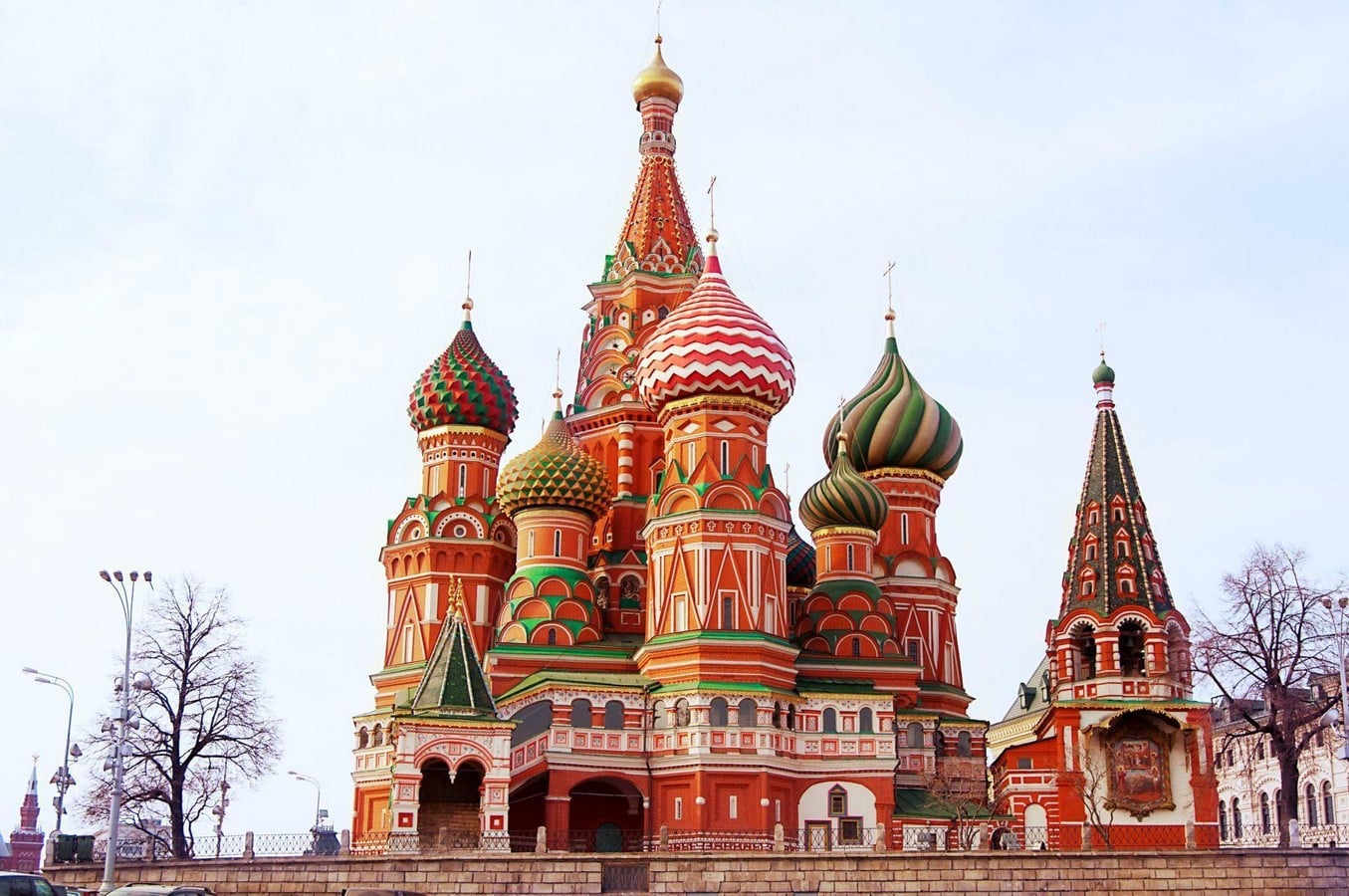
Moscow is a city well-known for its vast historical heritage and active metropolitan society. It is regarded as the location of several UNESCO World Heritage Sites and is well known for its display of Russian architecture, especially its iconic Red Square and structures like Saint Basil’s Cathedral and the Moscow Kremlin, the latter of which serves as the administrative center for the Russian government. Another side of the city is a never-ending sea of concrete, glass, and asphalt, with a perpetually leaden sky above due to its proximity to the Arctic Circle and heavy smog.
Life in Moscow
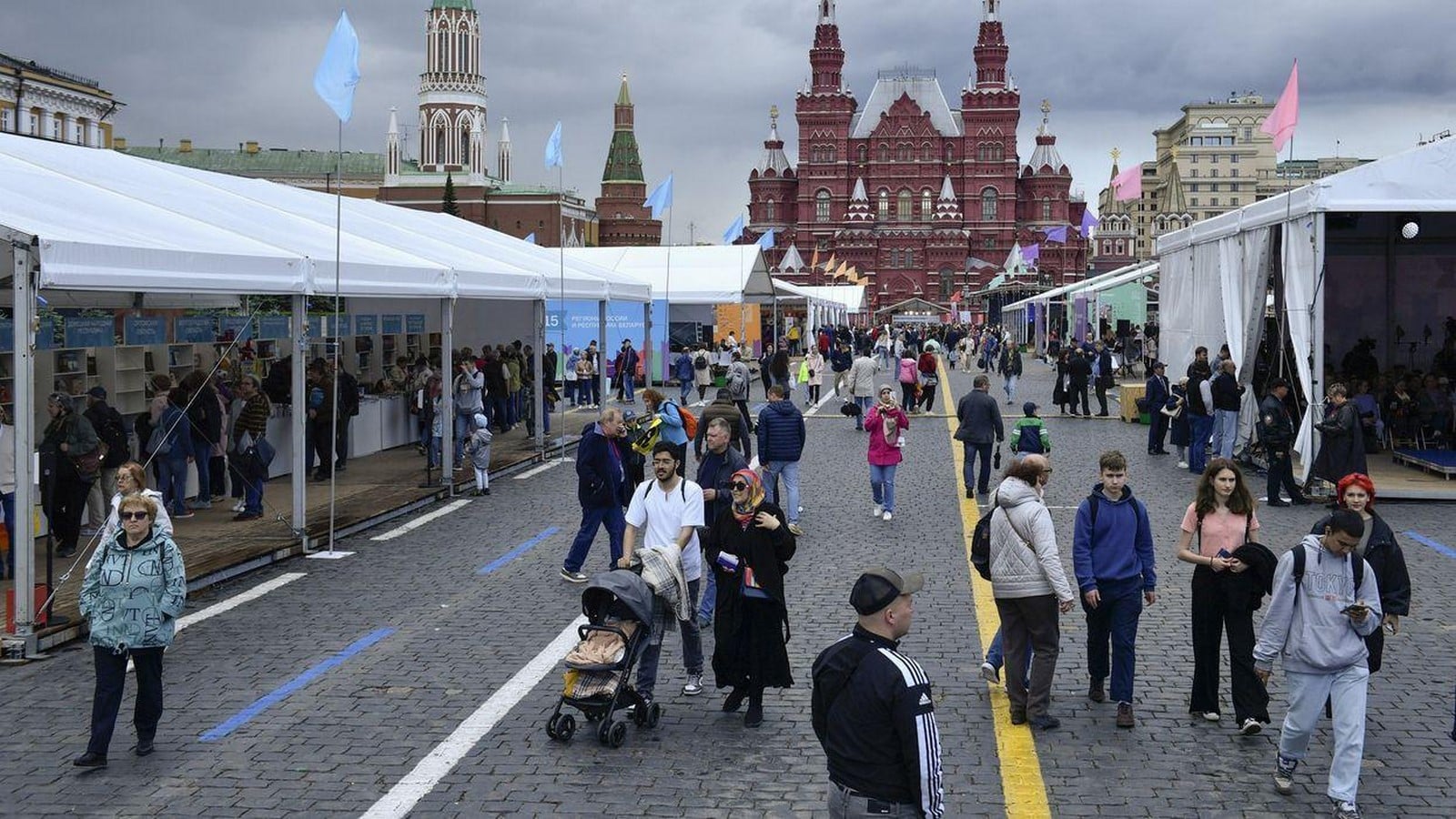
Moscow is a challenging city in real terms. Moscow is Russia’s capital and largest city. It is located in Central Russia on the banks of the Moskva River. In 2019, the population of the Moscow Metropolitan Area exceeded 20 million people. The city is overcrowded because there are too many vehicles, too much traffic, and inadequate environmental laws.
The majority of Moscow citizens live in low-quality, multi-story panel structures. This metropolitan region encompasses approximately 26,000 square kilometers, making it one of the world’s largest cities. More than 80% of the atmospheric pollution in Moscow, St. Petersburg, and other important cities in Russia’s European half is attributed to transportation.
Air pollution: a major concern
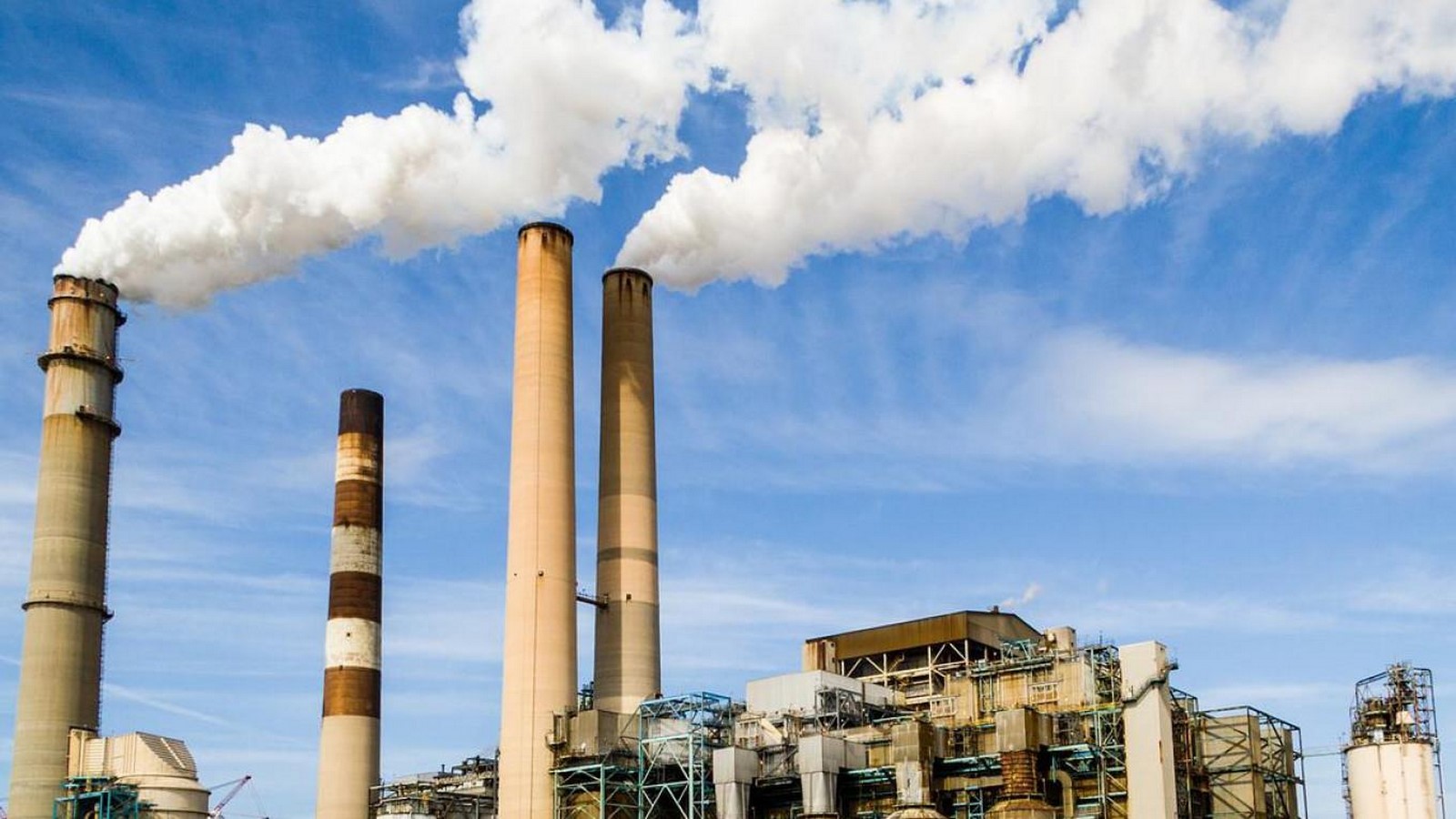
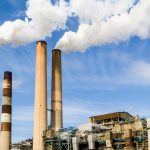
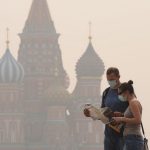
Air pollution causes 5,000 premature deaths in Moscow each year. Moscow recorded its worst level of air pollution in over 16 years in November 2020. Experts detected three times as many “high” and “extremely high” incidents of air pollution over the first nine months of the year after studying available data. This was more than the previous year’s total.
A “High” level of pollution is defined as the concentration of one or more pollutants at 10 times the maximum allowable levels, while “Extreme” pollution is defined as pollutant concentrations ranging from 20 to 50 times the allowable limits. At these times, pollutant odors can be detected. Under these conditions, acid rain can also occur. It is intended that Moscow would provide additional pedestrian zones as well as cycling lanes or tracks to encourage this environmentally friendly method of transportation. Pollutant concentration and exposure duration have a significant impact on the severity of the effects. Air pollution can result in a wide range of health issues, from minor coughs and wheezes to respiratory infections, heart disease, and lung cancer.
Consequences of Air Pollution

Environmental pollution, which is getting worse by the year and wreaking havoc on the city and even the entire planet, is one of the most serious issues that everyone faces. There are three categories of environmental pollution: local, regional, and global. This process is seen as proof of the atmosphere’s limited resources and demonstrates the upper bounds of the self-regeneration of the natural atmosphere.
However, rapidly rising pollution has crossed this line and is now at the point where it cannot regenerate itself. Harmful compounds from air pollution sources spread over dozens and hundreds of kilometers at the current level of pollution. “Pollution source” is a loaded term in and of itself. A single source of pollution can be a whole nation or even a region. There are now some significant issues with anthropogenic Earth contamination.
Possible climate changes brought on by emissions of volatile solids, carbon dioxide, and heat from human activity include the potential harm that freons, nitrogen oxides, and other environmental pollutants could do to the ozone layer. The ecological system is adversely affected by the global environmental degradation caused by heavy metals, pesticides, and radioactive substances. The issue of water pollution is brought on by precipitation from the atmosphere, stream flow, and land and water transportation. acid rain issues and atmospheric transport issues.
The Hyper Filter Skyscraper
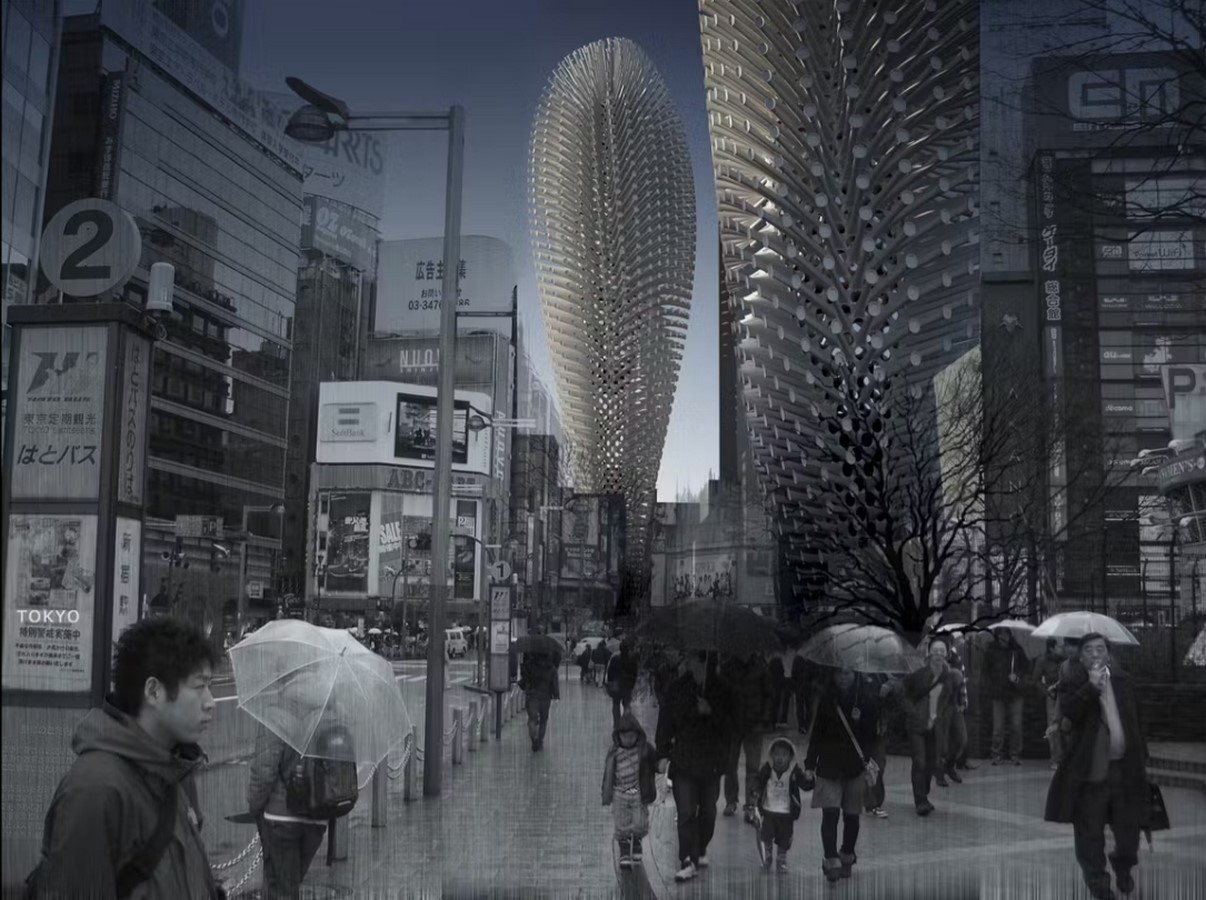
Many architects have been drawn to the idea of using materials and technology that can aid in the removal of pollutants from the air we breathe. A Russian architect aims to realize his ambition of building a tower that filters polluted air. Many architects have been drawn to the idea of using materials and technology that can help remove contaminants from the air we breathe. The lack of real proof that such structures can make a substantial impact on pollution levels hasn’t stopped architects from pulling out their pens and going to work on the design.
“Every big city in the world suffers from this problem, and it’s getting worse: excessive heat, polluted air, metals in the air, excessive levels of carbon dioxide. So I tried to solve the problem my way, the architectural way, and to some extent in a technological way.” as stated by the architect, Alexei Umarov.
The Hyper Filter initiative aims to address the issue of regional air pollution. It is situated between tall buildings in a busy city and is surrounded by factories, stations, and busy roads. The Hyper Filter “inhales” CO2 and other hazardous gas-polluted air and “exhales” clear, concentrated O2. Warm air from the atmosphere is projected to keep the Hyper Filter building operational.
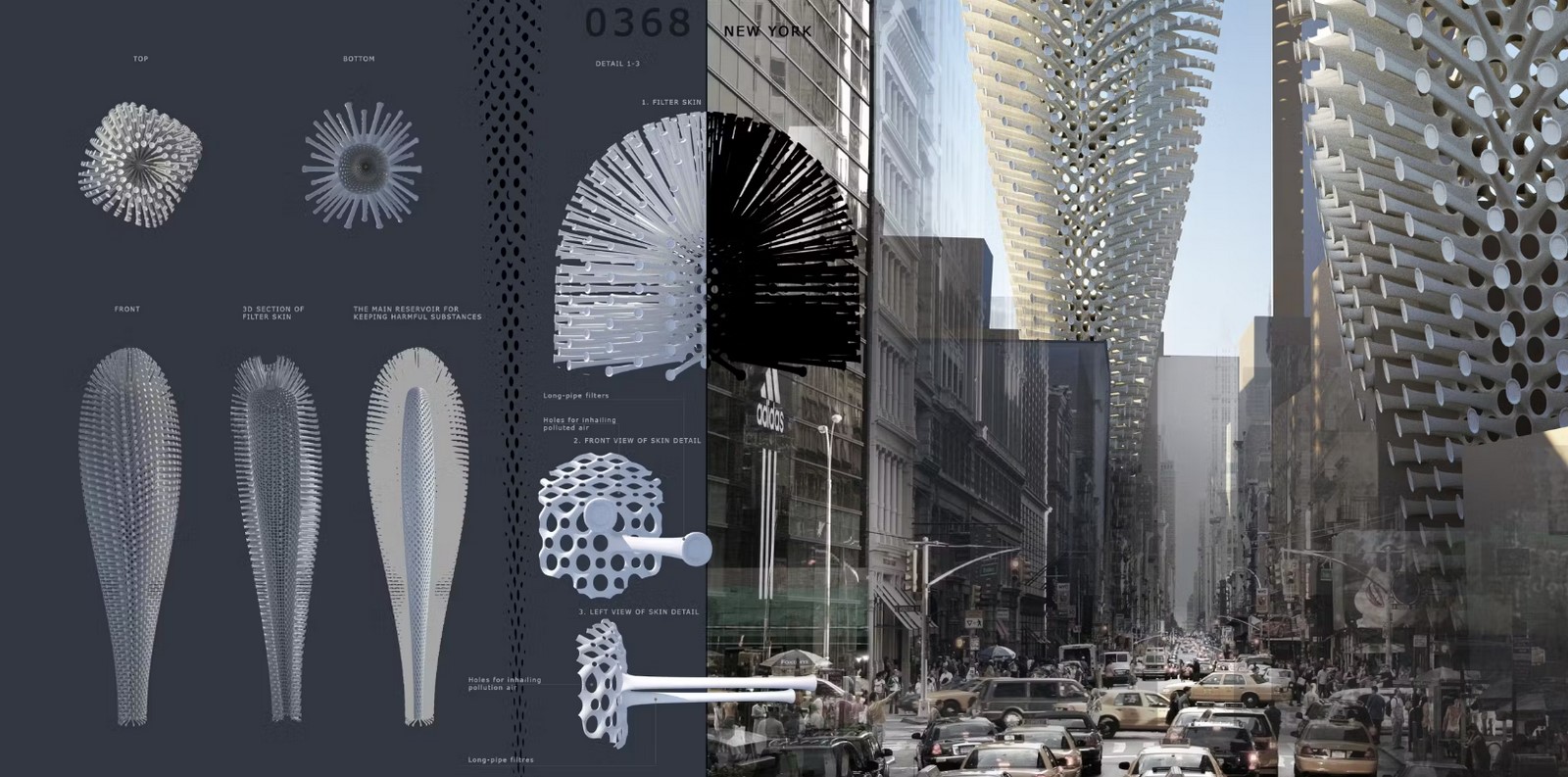
The structure of the building envelope is intended to offer proportional clear air emissions to the over-building space. The external envelope with long pip filters maintains the building’s temperature equilibrium. All hazardous compounds emitted are transported to holders via absorption. They are then separated into reservoirs for future usage in the construction and chemical industries.
In a nutshell, the HyperFilter consists of a skeleton, a porous shell, and protracted pipes that have filters in them. The idea behind the design is for air to be drawn in through the pipes and cleaned, while dangerous materials are separated and gathered on the lower levels of the structure for future recycling.
Citations
The Hyper Filter Skyscraper: Alexey Umarov (no date) Archinect. Available at: https://archinect.com/alexeyumarov/project/the-hyper-filter-skyscraper (Accessed: 18 September 2023).
A Russian architect’s dream to clean the Air (2017) BBC News. Available at: https://www.bbc.com/news/science-environment-39180985 (Accessed: 18 September 2023)
The Moscow Times (2023) Half of Russians are worried about the environment where they live – survey, The Moscow Times. Available at: https://www.themoscowtimes.com/2019/06/05/half-of-russians-are-worried-about-the-environment-where-they-live-survey-a65881 (Accessed: 18 September 2023).