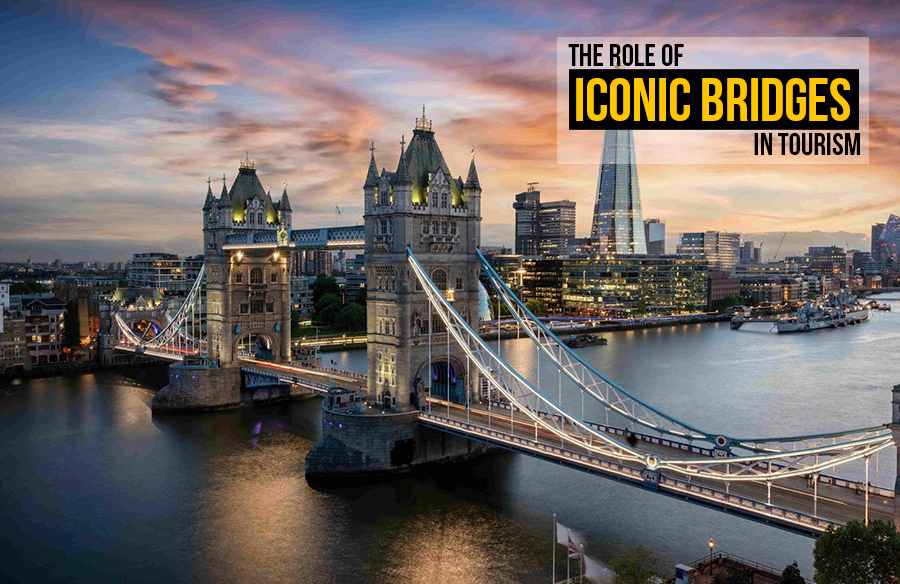
The bridges on a primary level functionality is to connect from point A to point B, but the construction and designing strategies implemented reach a person at a different level. The significant form and aesthetics have played the identity role of the community. The expression of blending with nature, buildings, and people explains the connectivity through functionality and metaphorically.
The Characteristics:
Transportation: For commuting from one place to another over a water body. These bridges facilitate the need for easy paths for the movement of vehicles.
Cultural Symbolism:
As I said earlier, they become a symbol for the region, city, and even the nation. Bridges are featured in art, architecture, and literature by assisting the identity of the place.
Significance in History:
The infrastructure shows the growth and development of the place through the historical timeline, identifying the authenticity of the region. It has touched on the subjects of economic growth through transportation or during the war for destruction or reconstruction.
Architecture:
The vision of creativity of Architects and Engineers to build iconic bridges showcases more than its primary use of the infrastructure. The architectural elements, such as towers suspended with cable wires, trusses, and other structural elements, have an impact on the stability, vision of strength, and unique appearance. They improve the access between cities and different regions by reducing the time travel. The bridges that have been constructed are of great inspiration for future architects and engineers to build innovation and add life to the community.
Tourism:
The bridges are landmarks and have tourism gravity for prodigious. People visit the places to envision art in a magnificent form, to understand regional historical values, and to carry the memory along with them through a photograph. They increase the local economic growth of the place through visitors.
Top Famous Bridges Specifically for Tourist Attractions:
The Golden Gate Bridge:
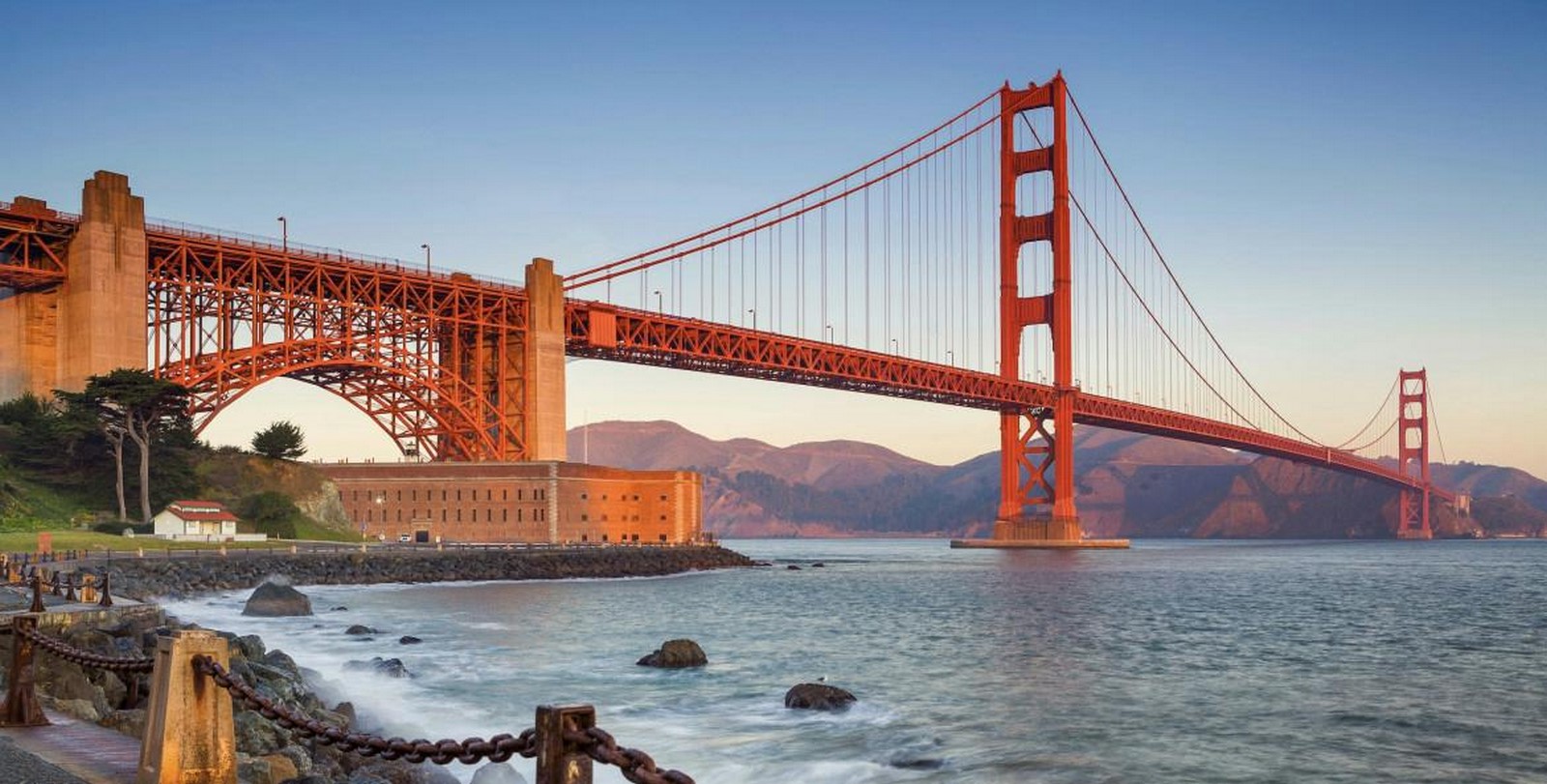
The bridge that would strike anyone’s mind would be the Golden Gate Bridge in San Francisco. It is an example of the Art Deco style of architecture. The iconic bridge stretches two miles, connecting San Francisco to Marin County, California. The San Francisco Bay opens to the Pacific Ocean, reaching out to the northern neighbors, starting construction in 1933 and completing in 1937. The distance between the towers is 1280 meters. Architect Irving Morrow used the Art Deco style to add aesthetics to the infrastructure. The structure has withstood earthquakes and harsh climatic weather conditions. The bridge is recognized as the symbol of power and progress in the United States.
The London Tower Bridge:
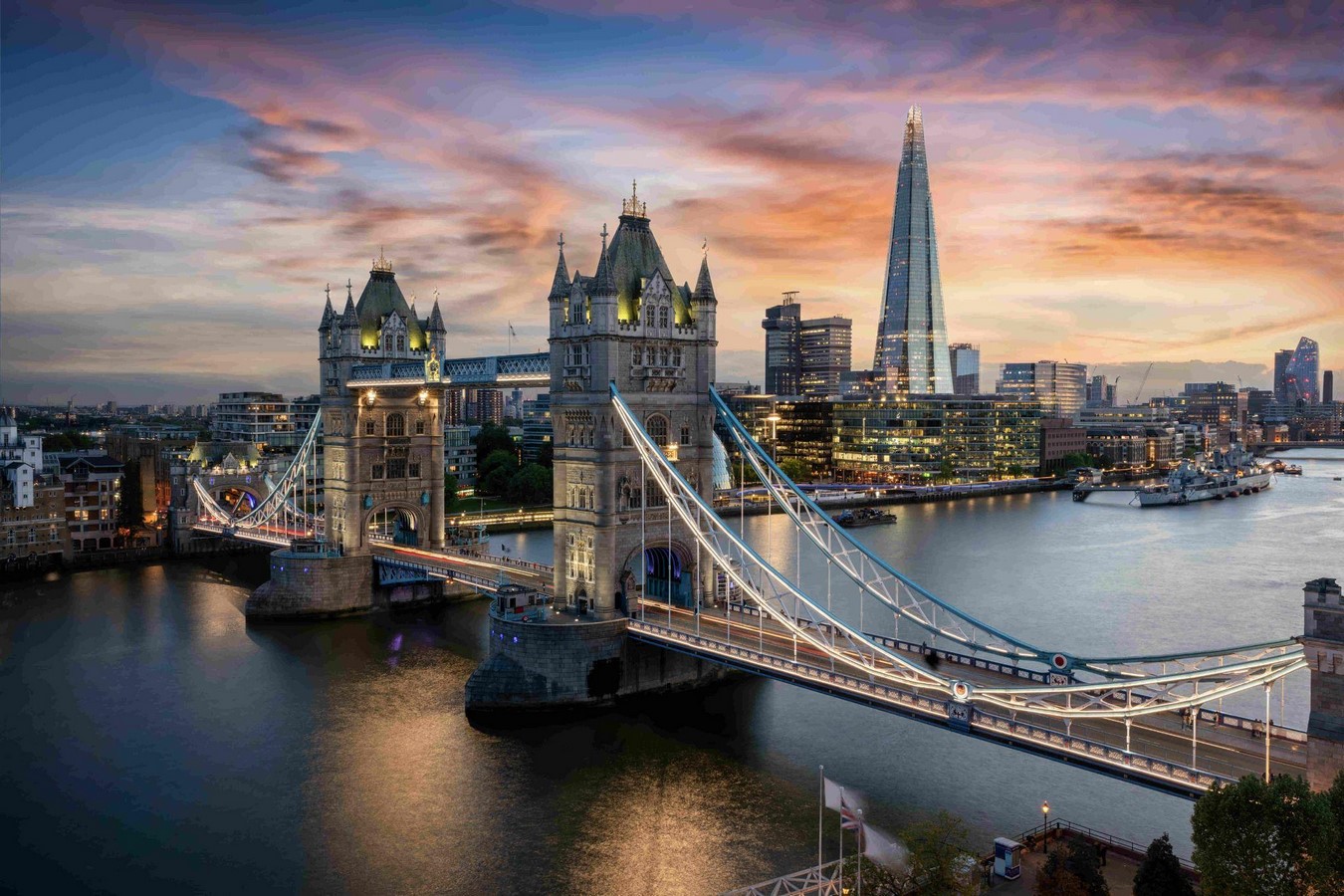
Tower Bridge is constructed above the River Thames, spanning up to 240 meters in length and with 76 meters wide opening connecting Tower Hamlets and Southwark. The bridge even integrates walkways for pedestrians covered with glass on either side. The architect Horace Jones designed in the Gothic Style of architecture, and the tower bridge completed the construction in 1894. The bridge marks a landmark of the entire country speaking for exponential architecture and engineering. The bridge is located close to the London Tower from which it got the name London Tower Bridge. The tower was operated by hydraulic pumps driven by steam until 1976 and then electric motors for tourist attraction.
The Brooklyn Bridge:
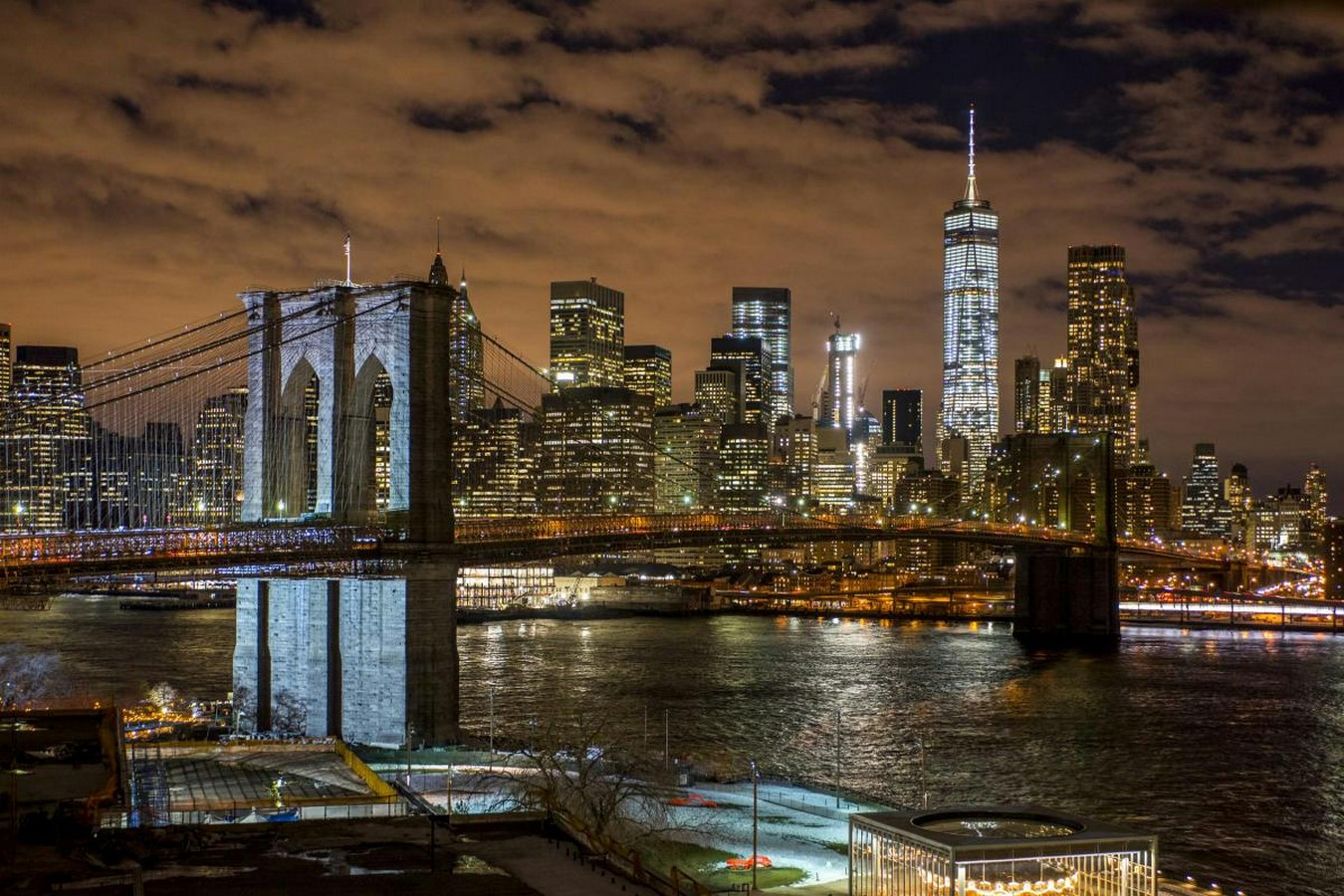
This bridge is known for being the first suspension tower to use steel for its cable wire taking 14 years to be built. At the time the bridge was constructed, it was recognized as the longest bridge which was taken over in 1890 by the Firth of Forth Cantilever bridge in Scotland. The bridge links Lower Manhattan and Brooklyn Heights, the two main cities of the United States of America, and is known for its stone arches People walking across the bridge designed, specifically for pedestrians by John Roebling. 1,50,000 people enjoyed walking within twenty-four hours of opening and supporting six lanes for vehicles (no trucks).
Rialto Bridge:
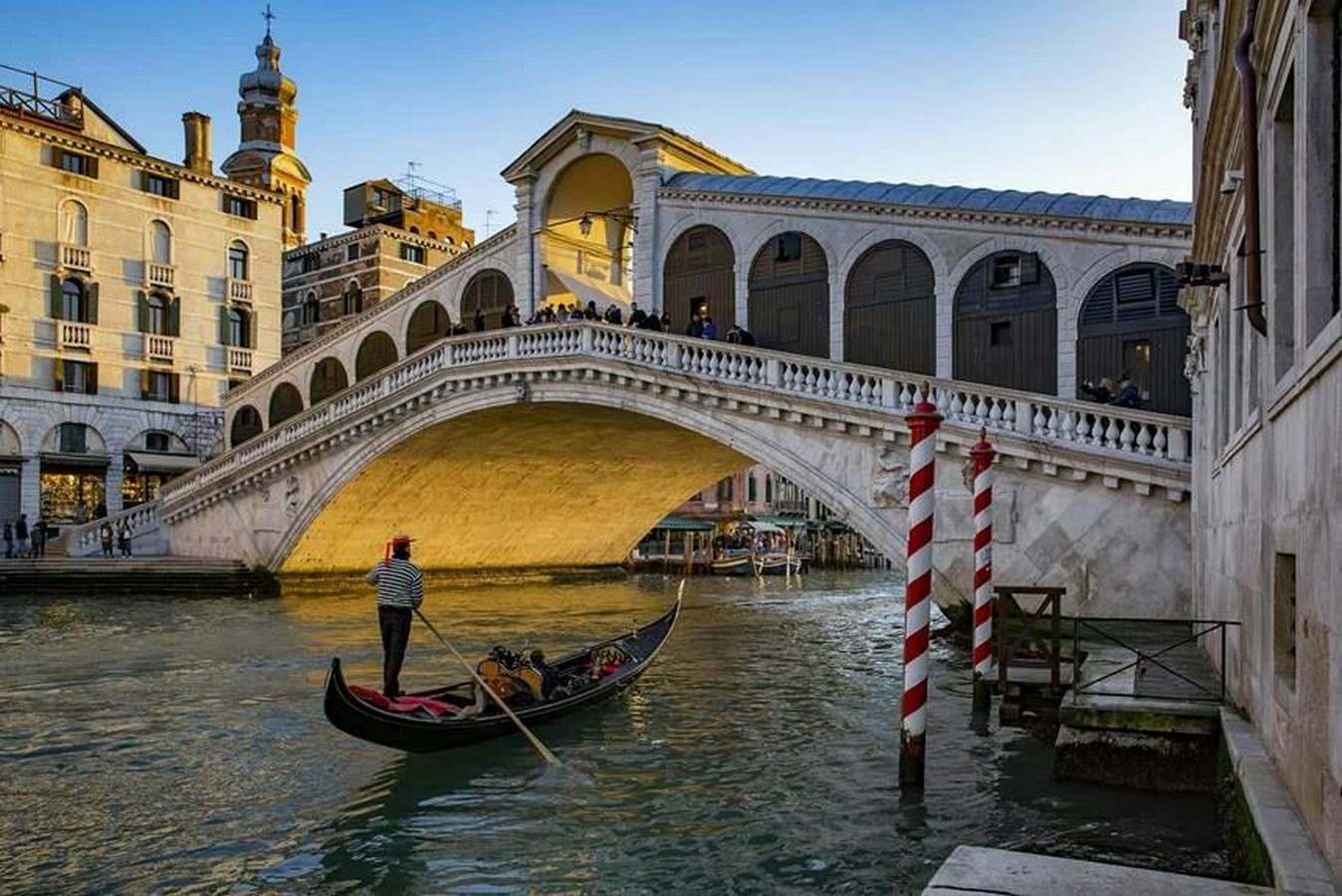
In the heart of Venice, Italy the bridge crosses the narrowest point of the Grand Canal. It is one of the oldest bridges built in 1181 and designed by Nicolo Baratterei. The bridge was replaced by a wooden bridge in 1255 as the scope of marketing was booming. The bridge supports a broad rectangular deck helping the shopping arcades in the front spanning a single stone arch. The bridge serves as the busy economic growth of the city of Venice to date. The bridge falling under the period of Renaissance Art shows the impact through its structure.
Conclusion:
The bridges play a significant role in pride of human achievements, regional identity, tourism pull with economic growth and innovative world to build. The bridges are always a place to be added to the travel list for all the people to experience and feel the massive art by the architects and engineers. They serve the purpose with more added value to the community.
Sources:
Golden Gate Bridge – Length, Facts & Height. History.com. Available at: https://www.history.com/topics/landmarks/golden-gate-bridge [Accessed: 9th September 2023].
(2023). Tower Bridge. Encyclopædia Britannica. Available at: https://www.britannica.com/topic/Tower-Bridge [Accessed: 12th September 2023 ].
Brooklyn Bridge. NYC DOT – Brooklyn Bridge. Available at: https://www.nyc.gov/html/dot/html/infrastructure/brooklyn-bridge.shtml [Accessed: 10th September 2023].
Facts and History of Rialto Bridge. Rialto Bridge – Facts and History of Ponte di Rialto. Available at: http://www.bridgesdb.com/bridge-list/rialto-bridge/ [Accessed: 10th September 2023].