Public architecture is the essential core of city identity, bringing a city’s essence to life. It is going past fundamental building to end up a concrete embodiment of a community’s culture, history, and plans. From soaring skyscrapers to endless monuments, public structure weaves the story of city records and present, influencing its citizens’ collective awareness. Architectural masterpieces not only create urban environments but also reflect the distinct person and intentions of the humans they serve on this dynamic interplay among shape and feature.
What is Urban Identity?
Urban Identity – most commonly defined as having a direct correlation with the users’ intuition about the place/city, and their perception of its unique appearance, including “environmental, historical, socio-cultural, functional, and spatial values” (Arbak (Erdem), 2005).
Urban identity is a complex connection between history, culture, and the physical environment. Within this dense fabric, public architecture serves as a significant cultural expression, forming and reflecting a city’s character. Public architecture acts as a canvas on which the cultural story of a community is painted. Using a variety of instances and cultural references, this article studies the deep importance of public architecture in developing metropolitan identity as a cultural expression and urban identity.
Reflecting Cultural Heritage
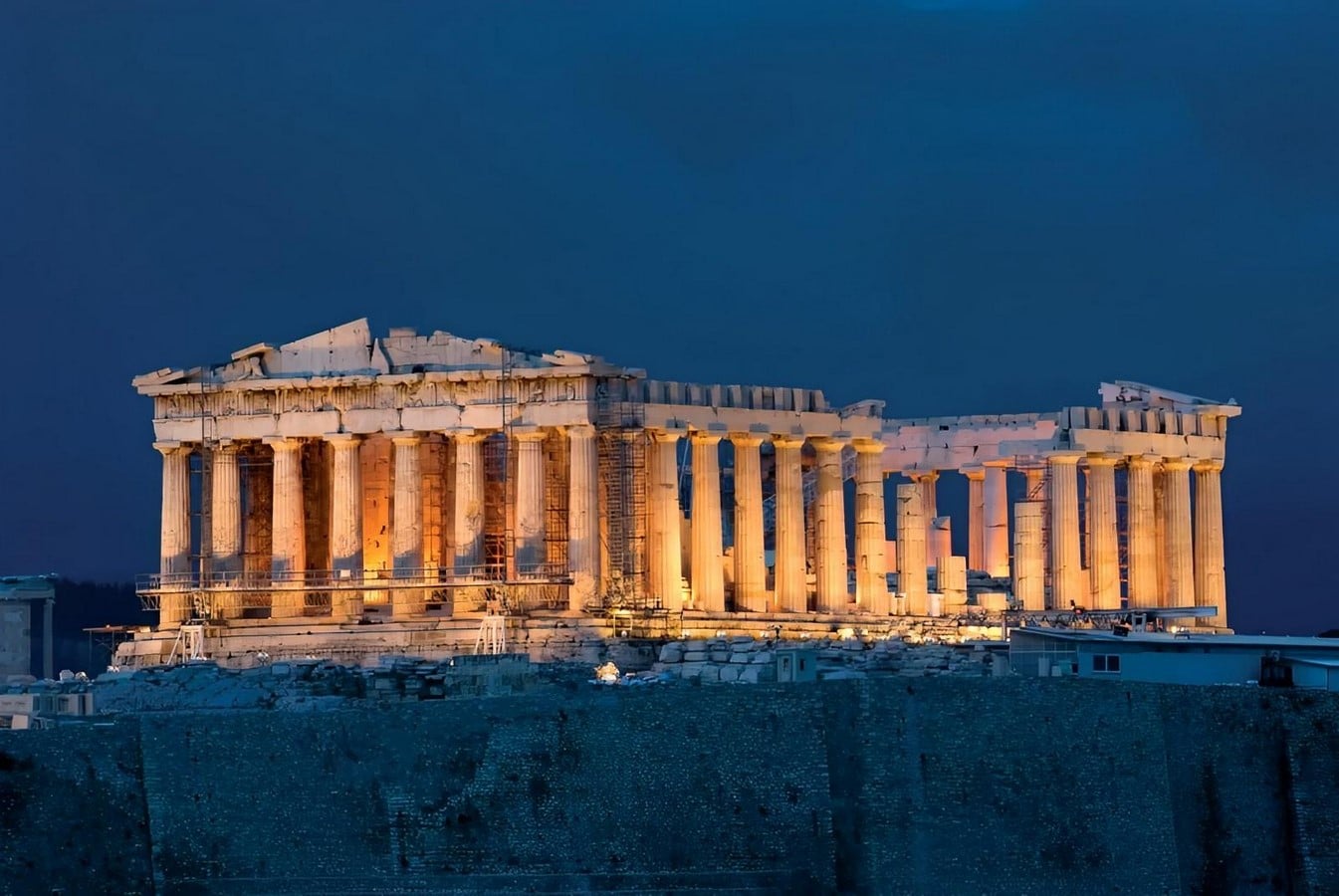
Public architecture serves as a reflection of a city’s cultural heritage. Historical landmarks and heritage sites often become the focal point of urban identity. For instance, the Acropolis in Athens symbolizes ancient Greece‘s rich history and its contributions to art, philosophy, and democracy. These iconic structures become visual reminders of a city’s past, connecting its residents with their cultural roots.
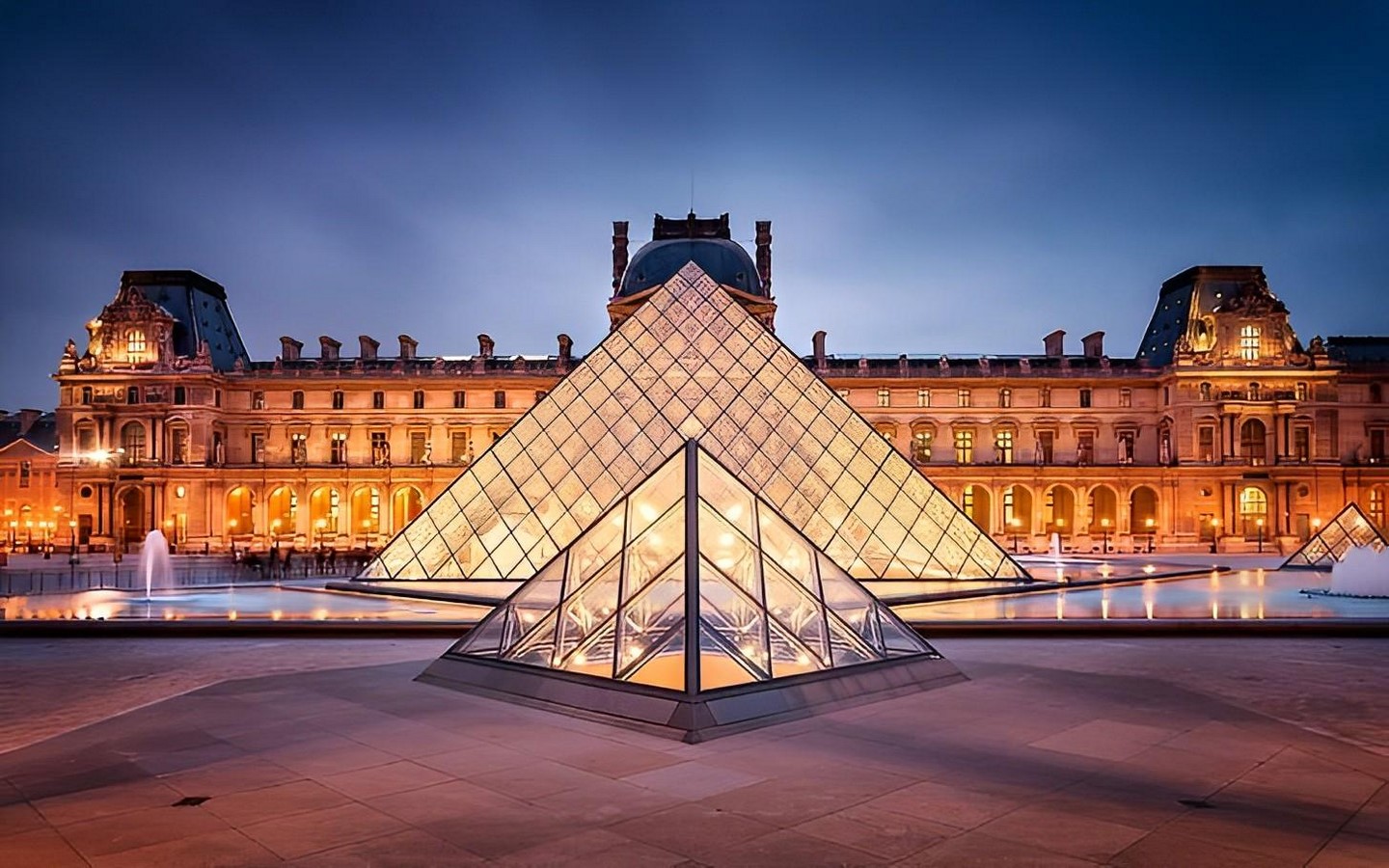
In the modern era, architects often draw inspiration from historical motifs to design contemporary public buildings. This fusion of the old and new allows cities to honor their heritage while embracing progress. An excellent example is the Louvre Pyramid in Paris, which harmoniously blends modern glass and steel with the historical Louvre Museum, enhancing the city’s cultural identity.
Civic Pride and Unity
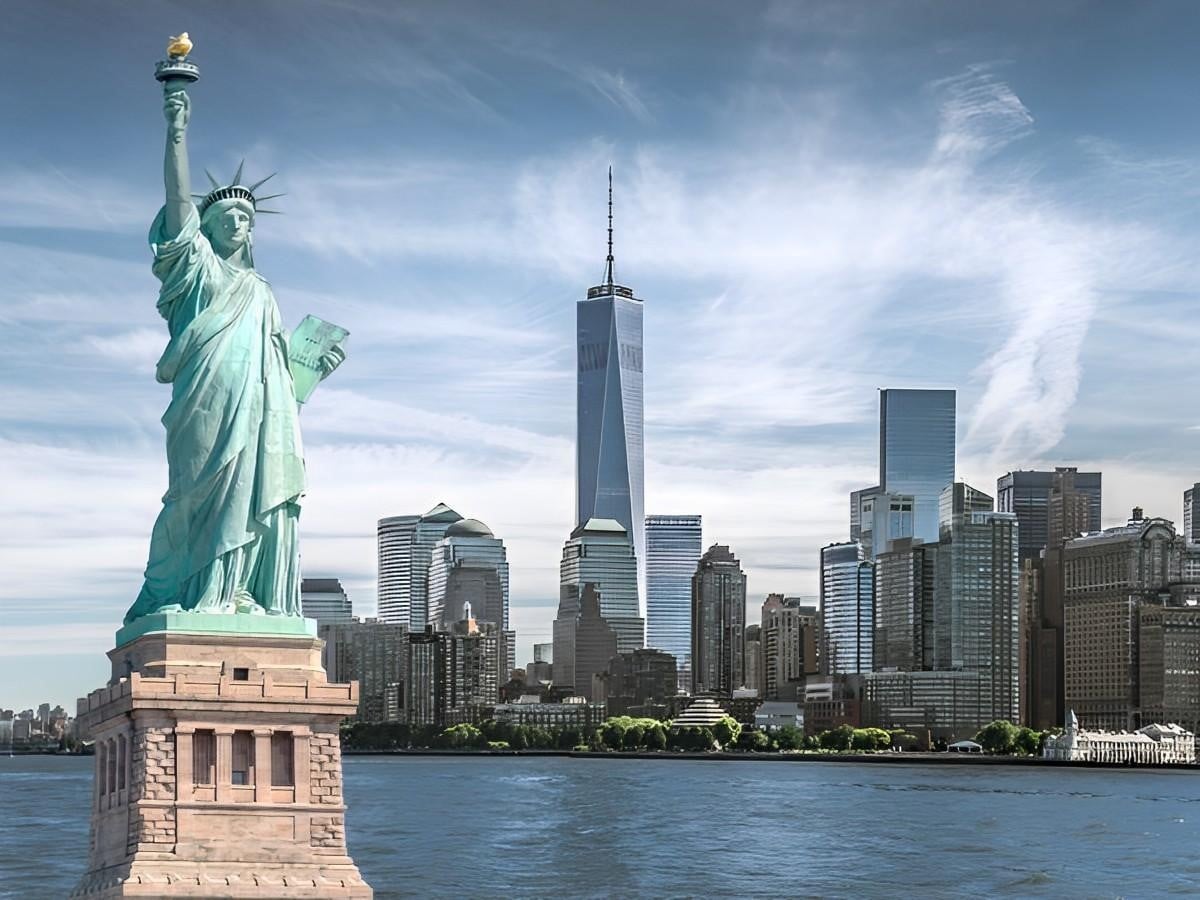
The public architecture can create a feeling of civic pleasure and solidarity among citizens. Iconic landmarks, along with the Statue of Liberty in New York or the Eiffel Tower in Paris, serve as symbols of national or local identification, fostering a collective experience of belonging. These structures often grow to be gathering locations for celebrations and rallies, reinforcing shared identification and values.
Additionally, public buildings like city halls and courthouses represent the heart of civic existence. They provide areas for citizens to interact with their government, reinforcing the concept of a participatory society. The layout and accessibility of those homes ship a message about a city’s commitment to transparency and democracy.
Shaping Urban Landscapes
Public architecture has a profound impact on shaping urban landscapes. The format and design of public spaces influence how human beings interact with their surroundings and each other. Well-designed public areas, along with parks, plazas, and waterfront walkways, encourage social interplay and community engagement.
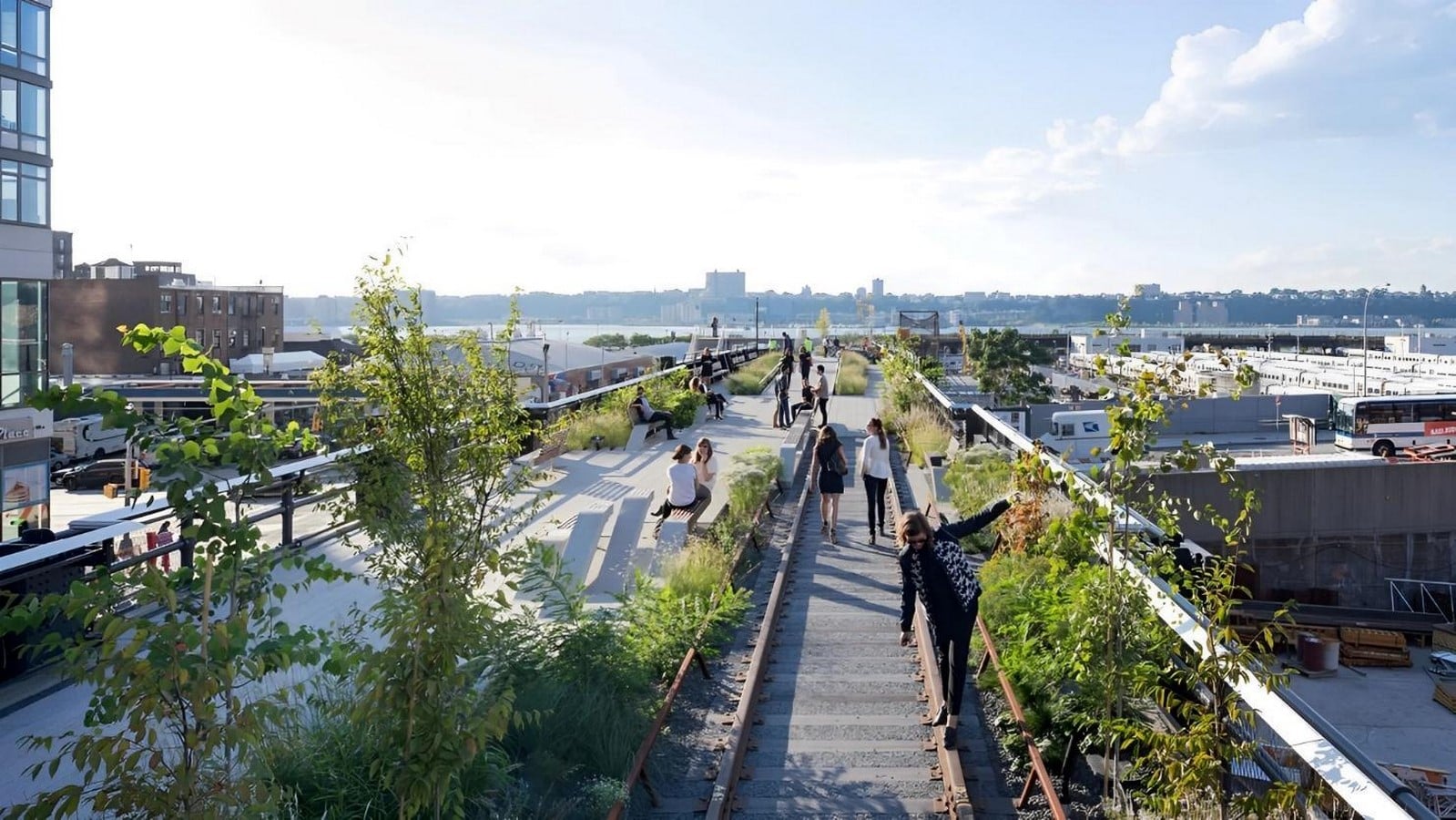
The High Line in New York City, a converted railway line that was a lush city park, is a high example of ways a public structure can remodel an area. It no longer bests revitalized an omitted space but also became an image of New York’s dedication to innovation and concrete renewal.
Economic and Tourism Benefits
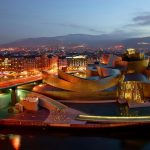
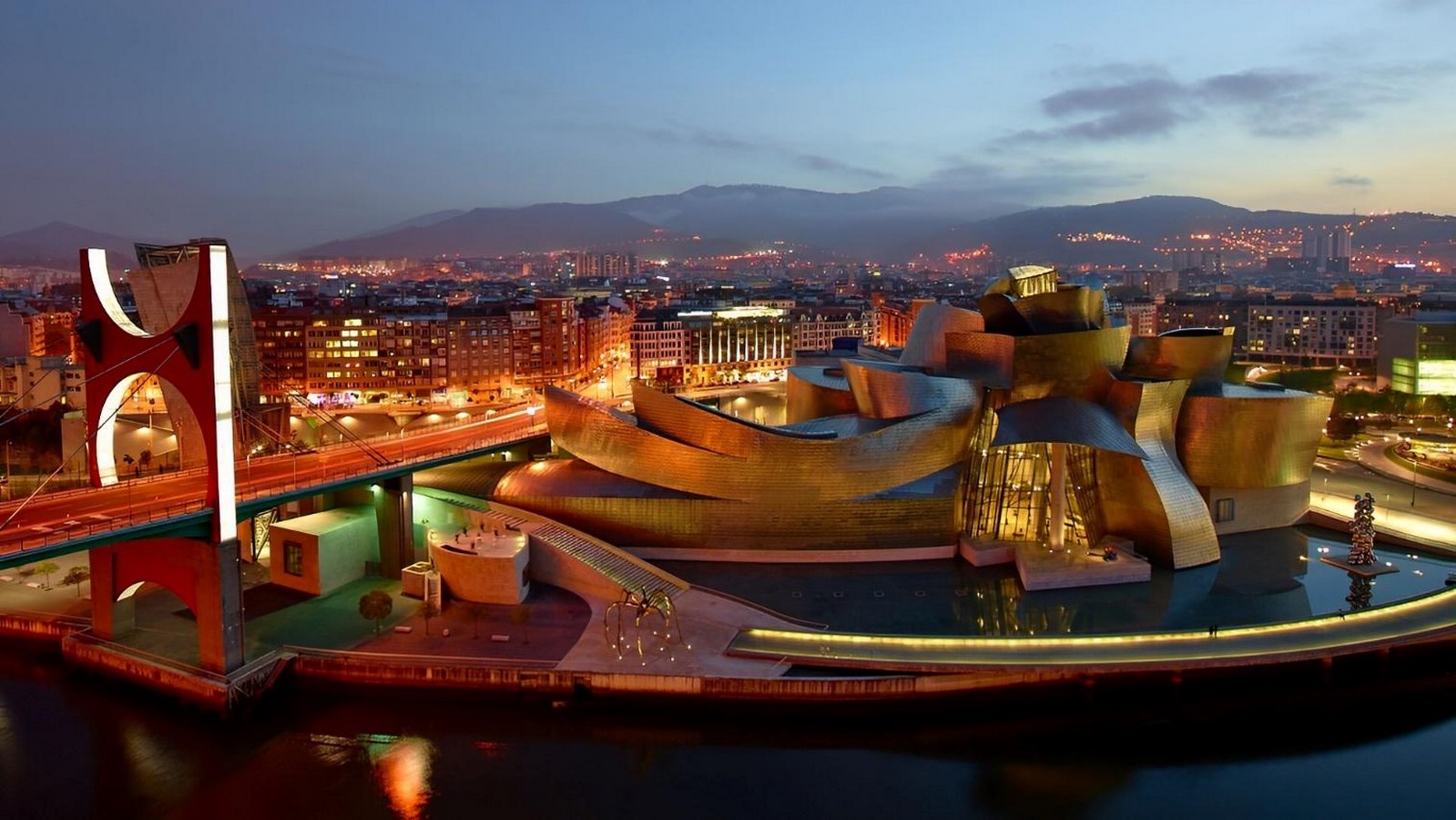
Public architecture can also have significant financial benefits for a city. Landmarks and cultural establishments attract travelers, contributing to the local economic system via extended traveler spending. For example, the Guggenheim Museum in Bilbao, designed by Frank Gehry, not only converted the city’s photo but also boosted tourism and economic development inside the region.
Furthermore, the development of public buildings and infrastructure projects can stimulate activity growth and monetary activity in the city. These tasks often serve as catalysts for similar improvement, attracting organizations and investors.
Conclusion
Public architecture plays a multifaceted function in shaping city identification. It reflects a city’s cultural and historical past, fosters civic pride and harmony, affects the urban panorama and brings monetary advantages. By cautiously designing and preserving public buildings and spaces, cities can beef up their specific identities whilst adapting to the evolving needs and aspirations of their citizens. As city regions continue to grow and trade, public architecture will remain a powerful tool for shaping and expressing the essence of a city. Understanding the position of public architecture in city identification is important for town planners, architects, and policymakers as they paint to create vibrant and significant city environments.
As cities exchange and adapt to converting demands, public structure stays a dynamic force in crafting the city story. It is a mirrored image of a town’s individuality, an acknowledgment of its growth, and a testament to its residents’ collective imagination and vision. In this way, public architecture is surely a characteristic; it’s far the heart and soul of its identity.
References:
Zukin, S. (1996) The cultures of cities, Google Books. Available at: https://books.google.com/books/about/The_Cultures_of_Cities.
The invention of the Historic Monument : Choay, françoise : Free Download, Borrow, and streaming (1970) Internet Archive. Available at: https://archive.org/details/inventionofhisto0000choa
Jan Gehl; Foreword by Lord Richard Rogers (2010) Cities for people, Island Press. Available at: https://islandpress.org/books/cities-people
Beatley, T. (2011) ‘Biophilic Urban Design and planning’, Biophilic Cities, pp. 83–129. doi:10.5822/978-1-59726-986-5_4.
Francis, M. (1989) ‘Control as a dimension of public-space quality’, Public Places and Spaces, pp. 147–172. doi:10.1007/978-1-4684-5601-1_7.
TÜRK, A. and SEYDİOĞULLARI, H.S. (2018) Reflection of urban identity on City Square: Alanya Iskele-Rıhtım region sample – doaj, Mehmet Akif Ersoy Üniversitesi Fen Bilimleri Enstitüsü. Available at: https://doaj.org/article/56601a8886b2483ea6e46727ad02c43c