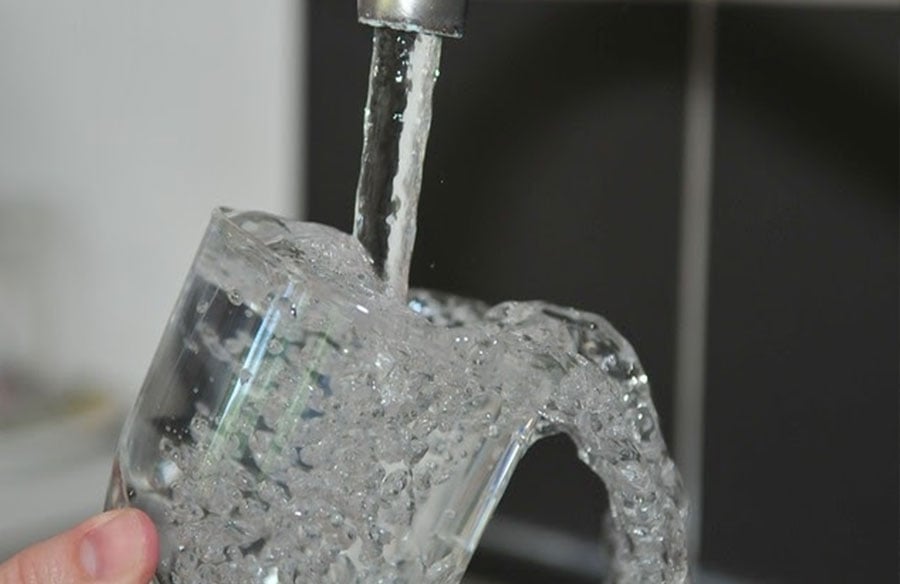
Water, the lifeblood of our planet, is intricately woven into our daily lives. Yet, its constant presence often leads to underestimating its value.
As urban landscapes like London expand and evolve, the stress on our water resources multiplies. In such sprawling metropolises, the importance of judicious water use becomes paramount.
This not only addresses environmental concerns but ensures the longevity of our water systems for future generations. It’s here that the role of professionals, like a seasoned London plumber, becomes indispensable. Their nuanced expertise extends beyond fixing leaks or installing pipes; they provide a gateway to a sustainable future with water-saving plumbing solutions.
Understanding the mechanics of water flow, the latest in eco-plumbing innovations, and the integration of these systems into homes or offices is an art form best left to the experts. After all, while individual efforts to conserve water are commendable, it’s the large-scale professional interventions that can truly make a sustainable difference. Turning to professionals isn’t just about addressing immediate plumbing concerns; it’s about making a long-term investment in water conservation.
In this short guide, we will explain why water conservation and efficient plumbing are important.
Why Is Water Conservation Important?
Water conservation is more than just an environmentally friendly gesture; it’s a necessity for our planet’s future. Fresh water sources are depleting at an alarming rate, with increasing populations and urbanisation amplifying the strain on our reserves.
By saving water, we not only safeguard this precious resource for future generations but also reduce the energy expended in treating and distributing water. This ripple effect also reduces the pressure on ecosystems, ensuring rivers and lakes maintain their ecological balance. Additionally, efficient water use can significantly reduce household bills, making it a practical choice as well.
Furthermore, as climate change causes unpredictable rainfall patterns and prolonged droughts, it becomes imperative for communities, especially in urban settings, to be proactive in water management. In essence, water conservation is not just an environmental obligation but also a social and economic imperative.
How Can Your Plumber Help?
Professional plumbers play a pivotal role in directing households towards more sustainable water usage. With their expertise and knowledge of the latest in plumbing innovations, they can introduce homeowners to a slew of water-saving fixtures. Here’s how they can assist in responsible water consumption:
Low-Flow Toilets
Traditional toilets are notorious for their high water consumption with each flush. In contrast, low-flow toilets are crafted to use a fraction of that amount. While a standard toilet might consume up to six gallons per flush, a low-flow alternative reduces this to around 1.28 gallons or even less. Additionally, with dual-flush options offering variable flush volumes for liquid and solid waste, homeowners have greater control over water usage.
Water-Saving Faucets
Regular faucets can be surprisingly wasteful. Water-saving variants, equipped with aerators, cleverly mix air with the water flow. This ensures a sensation of high-pressure flow while cutting down on the actual volume of water used. Such faucets can curtail water usage by over 30%, marking them as an essential fixture for the eco-conscious homeowner.
High-Efficiency Shower Heads
Daily showers can account for a substantial portion of a household’s water use. High-efficiency shower heads, much like aerated faucets, introduce air into the water stream. This technique provides a vigorous shower experience using considerably less water. Some models even halve the water usage compared to their traditional counterparts.
Advanced Dishwashers and Washing Machines
Efficient appliances are a cornerstone of water conservation. Contemporary dishwashers and washing machines are precision-engineered to ensure optimal cleaning with reduced water. When integrated appropriately into a home’s plumbing system, these appliances make a notable difference in water conservation.
Pressure Reducing Valves
Unnecessarily high water pressure can lead to inadvertent water wastage. By fitting pressure-reducing valves, plumbers can ensure a consistent, efficient water flow in homes. Over time, the water savings from such installations can be significant.
Smart Water Controllers
The advent of smart home systems has brought intelligent plumbing solutions to the fore. Smart water controllers, when woven into a home’s plumbing matrix, closely monitor water usage. They offer real-time feedback, nudging homeowners to tweak their habits for better water conservation. Some sophisticated systems can even pinpoint leaks instantly, mitigating potential water wastage.
Tankless Water Heaters
The inefficiencies of traditional water heaters, which continuously heat a reservoir of water, are well-documented. On the flip side, tankless or on-demand water heaters warm water solely when there’s a need, translating to less water and energy wastage.
Other Ways To Conserve Water
While efficient plumbing fixtures significantly reduce water consumption, there are other methods households can adopt to further their water conservation efforts. Let’s delve into some of these practical solutions:
Rainwater Harvesting
One of the oldest, yet increasingly relevant, methods for conserving water is rainwater harvesting. This technique involves collecting rainwater from roofs and storing it in tanks for later use. By setting up a filtration system, this stored water becomes suitable for various purposes like watering plants, flushing toilets, and even washing cars. In regions with significant rainfall, rainwater harvesting can substantially reduce the dependency on municipal water supply, ensuring more water is available for essential services.
Greywater Reuse Systems
Greywater refers to the relatively clean wastewater from baths, sinks, and washing machines. Instead of letting this water go down the drain, households can opt for greywater systems that treat and redirect this water for non-potable uses like toilet flushing or garden irrigation. Such systems can cut a home’s water consumption by up to 50%, making them a sustainable choice for those committed to water conservation.
Leak Detection
A small leak might seem inconsequential, but over time, it can result in significant water wastage. Modern leak detection tools, often combined with smart home systems, can promptly detect irregularities in water flow. This early detection allows for timely repairs, curbing water loss. Regularly inspecting faucets, pipes, and appliances for any signs of drips or leaks is equally crucial.
Xeriscaping
A significant amount of household water goes into maintaining gardens and lawns. Xeriscaping is a landscaping method that focuses on using drought-tolerant plants, reducing the need for frequent watering. By opting for native plants and implementing water-efficient irrigation techniques, households can have verdant gardens without excessive water usage.
Installing Aerators on Faucets
While modern faucets often come with built-in aerators, older models might not. Aerators introduce air into the water stream, providing efficient flow while reducing the volume of water dispensed. This simple attachment can curtail water consumption from faucets by up to 40%.
Educate and Advocate
Finally, awareness is a potent tool. By educating family members and peers about the importance of water conservation and the tangible steps they can take, a ripple effect is created, leading to community-wide conservation efforts.
The Bottom Line
Embracing eco-plumbing is a conscious step towards preserving one of our most precious resources. As the demand for fresh water continues to grow, every drop saved is a step towards a sustainable future. Consulting professionals and adopting water-saving fixtures isn’t just an eco-friendly move; it’s a testament to responsible living.