With an umbrella in one hand and a transparent plastic box within which lie several pieces of the model you’ve spent days working on that are yet to be stuck together, held close to one’s chest, one waits to hail a rickshaw as the heavy rains make your clothes soaking wet. It was imperitive that the model and the A1-sized roll of render sheets remained dry. You attempts at being comfortable while alternating between holding onto your belongings and the curtains to prevent your hard work from getting ruined. A heavy sigh escapes your mouth as you approach your studio classrooms. In the circumstance one realizes the bittersweet blessing that is architecture. Had it not been for the steel and concrete box, on the one hand, you would have stayed at home. But on the other hand you can finally finish your project as you remain protected from the crude elements outside the invisible layer of the 5mm glass pane. And it is at this moment that one thinks about how human existence would have been without architecture as we know it.

Architecture and Survival
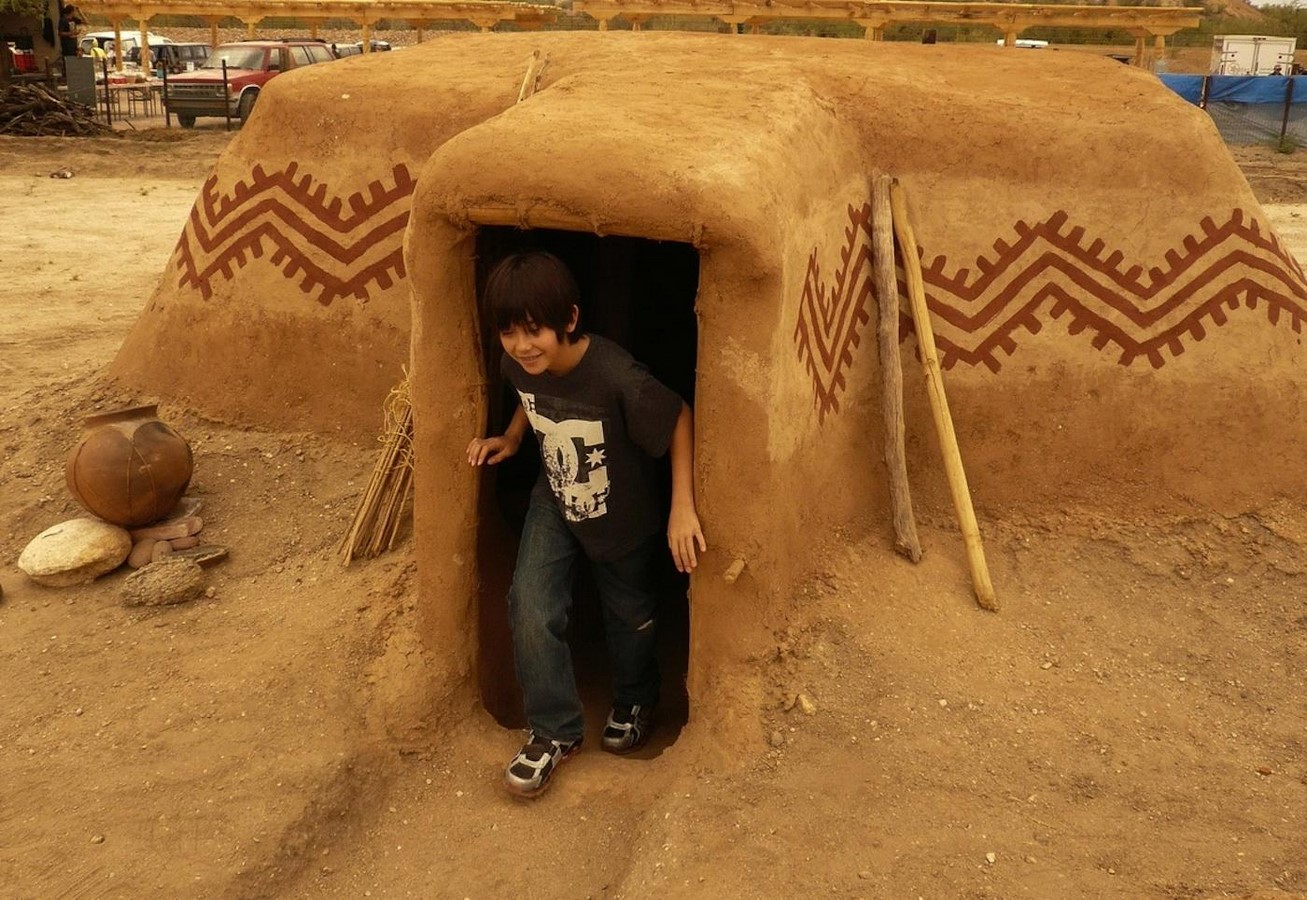
One can merely wonder whether architecture is innate or biological. Not in terms of the materiality or the built environment but the need to practice it. Man’s need to survive led it to create forms of shelter that were not present in their vicinity. Imitating natural forms like caves triggered the need to “build” shelters. They were made of natural elements, from natural elements to safeguard one against natural elements. Survival drove mankind to build, and building shelters drove mankind to discover construction. Though informally these words are interchanged, there exists a clear difference between the two. While one is a verb that has a more biological and intuitive origin the latter describes something that has been studied, iterated upon, and crafted as time has passed. Our mere existence would have ceased had it not been our innate drive to survive and build that led us to architecture.
Architecture and Community
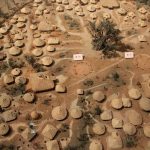
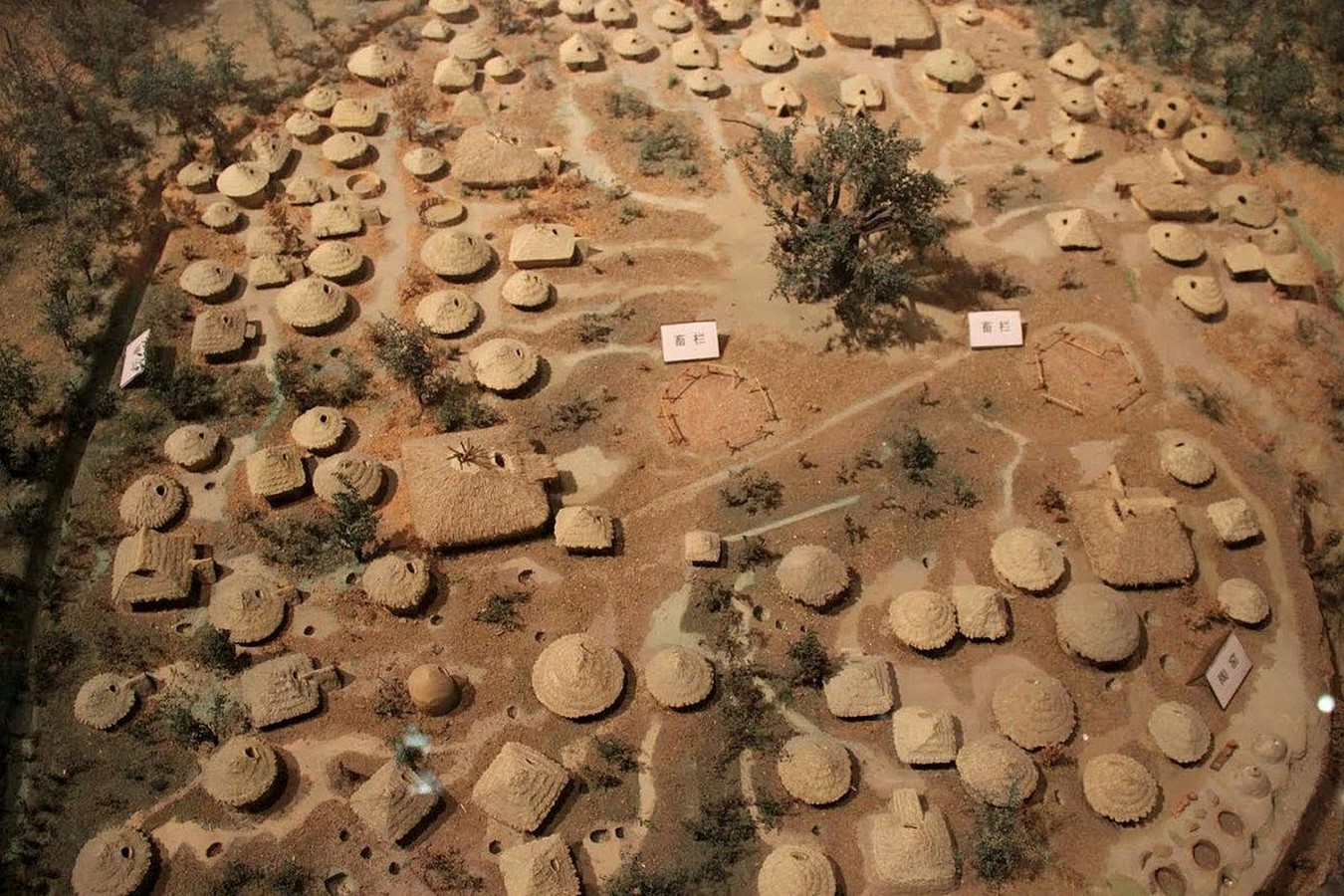
From one to two and from two to many, each built their shelter- shelters that evolved individually based on the resider’s need, importance, and priority. As individuals came together to form communities and communal thoughts and ideas flourished, so did their shelters. There came in shared spaces, commonalities through various shelters that made one realize the general elements that the community felt were crucial to its survival. These shelters were now considered homes. Human existence and its evolution followed architecture. It was not mere sticks, stones, leaves, and twigs anymore but dwellings and habitats- belonging to communities. It brought with it urban planning and cities. Architecture was not limited to elements that formed one’s confines but roads, streets, public squares, etc.
Architecture and Human-ness
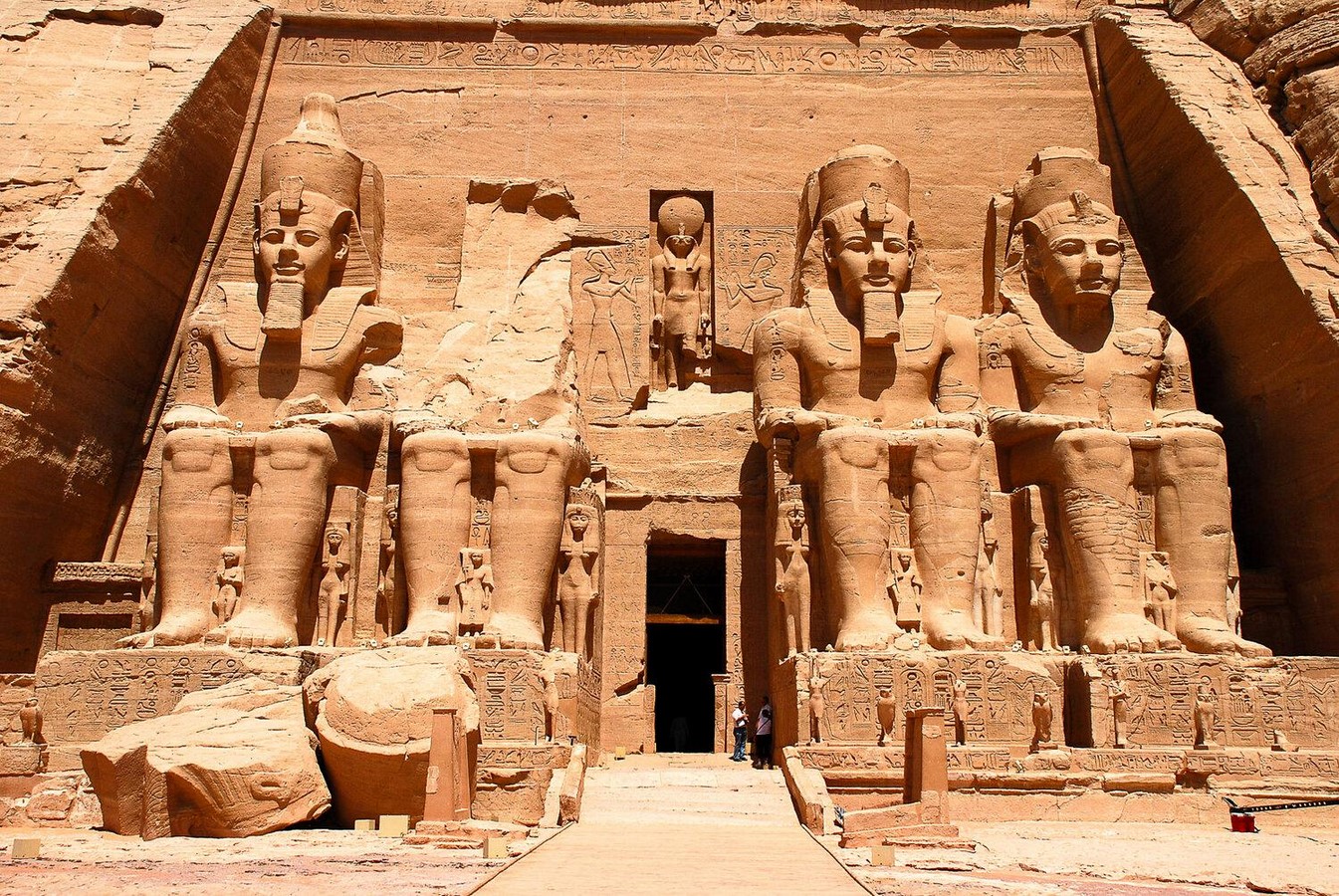
Humans soon attached their ideologies and personal beliefs to these spaces. The culture was not just about one’s belief systems and practices but also where one resided and within what. Religious spaces became crucial, so religious buildings were designed to stand out. The architecture was now a beacon of culture. It became a place to worship within. Elements of architecture now held spiritual significance. From spaces for communions to altars and idol worship spaces. Architects with religious leaders and supporters created temples, churches, synagogues, and memorials. Humans knew of their fleeting existence and it was through architecture that they, as society could leave a mark that could withstand the forces of time. That would be both a reminder and a record for the ones in the future.
Architecture and the Future
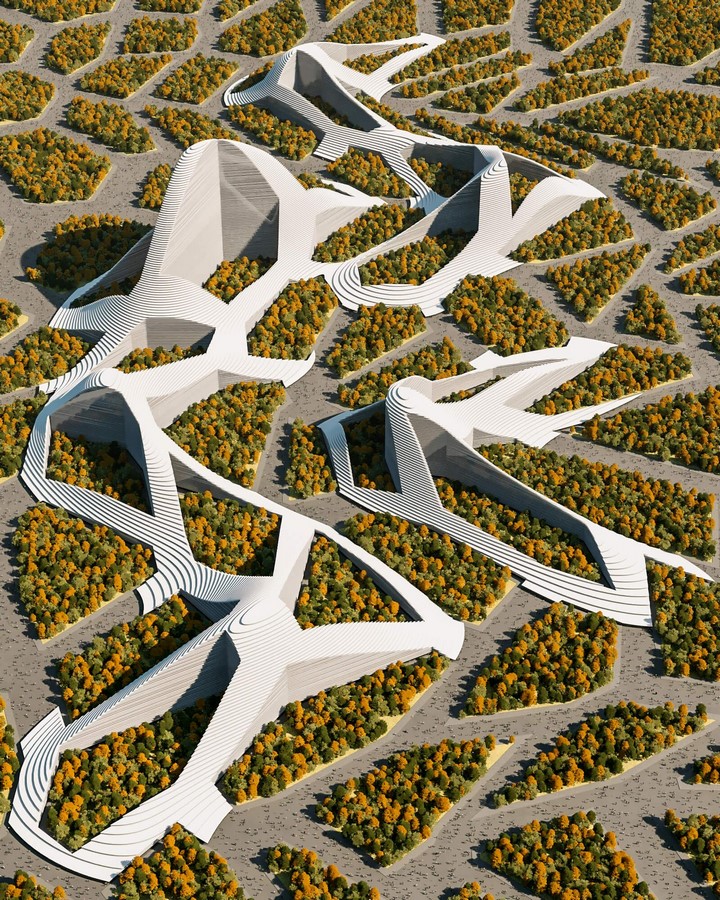
Scale gets introduced into the picture. Man’s mere thought process believed the bigger, the better. The more complex, the more rugged, the more imposing the architecture is, the greater the chances for it to survive through history. It was parallely developed on. On the one hand, man began dabbling with the thought of creating newer materials and ways of construction. A path of science and technology. Through various trials and errors, hypotheses and proofs, did we manage to evolve architecture into what it is presently and what it can be in the future? It is through this continuous effort, combined with the need to be remembered through history, we start to bridge our political, religious, and spiritual biases into architecture. The end goal was not just for architecture to last longer but for our ideas and beliefs to surpass human history. We simultaneously molded thought and action by looking at ways in which, instead of waiting for the future to happen, we decided to design our future. Architecture managed to encompass space and time. And this idea stemmed from the single seed that man must survive against the elements that led to their creation. Thus to imagine human existence without architecture in a way is to imagine not being human.
Citations:
SCI-Arc, S. of (2017) Imagine A World Without Architecture. YouTube. 15 May. Available at: https://www.youtube.com/watch?v=9c8FtVMxdaE (Accessed: 15 August 2023).
Portella (2022) How architecture affects society: Portella steel doors and windows, Portella. Available at: https://portella.com/blog/how-does-architecture-impact-society/ (Accessed: 16 August 2023).
Adams, S. (2020) What is ‘community’ and the role of architecture in shaping communities?, WHAT IS ‘COMMUNITY’ AND THE ROLE OF ARCHITECTURE IN SHAPING COMMUNITIES? Available at: https://deroseesa.com/architecture/what-is-community-and-the-role-of-architecture-in-shaping-communities/ (Accessed: 16 August 2023).
Todd, G.L. (2014) Jiangzhai Settlement model. Professor Gary Lee Todd. Available at: https://commons.wikimedia.org/wiki/File%3AJiangzhai_settlement_model%2C_Yangshao_culture%2C_Lintong%2C_Shaanxi.jpg (Accessed: 16 August 2023).