“Architecture is the very mirror of life. You only have to cast your eyes on buildings to feel the presence of the past, the spirit of a place; they are the reflection of society.”
– I. M. Pei
Architecture is an essential part of human life that shapes the places we live, work and interact. It affects our mood, behaviour, and overall health. However, in storytelling, we can temporarily suspend the physical power of architecture and dive into narratives that explore the human lack of structure. In this article, we explore the relationship between storytelling and architecture. In the world of storytelling, no building offers endless possibilities. Although architecture provides a necessary framework for our lives, the unseen aspects of human life are often narrative tools. From the complex to the deep, storytelling can take us to a dimension free of architectural limitations and allows us to explore the depths of our humanity.
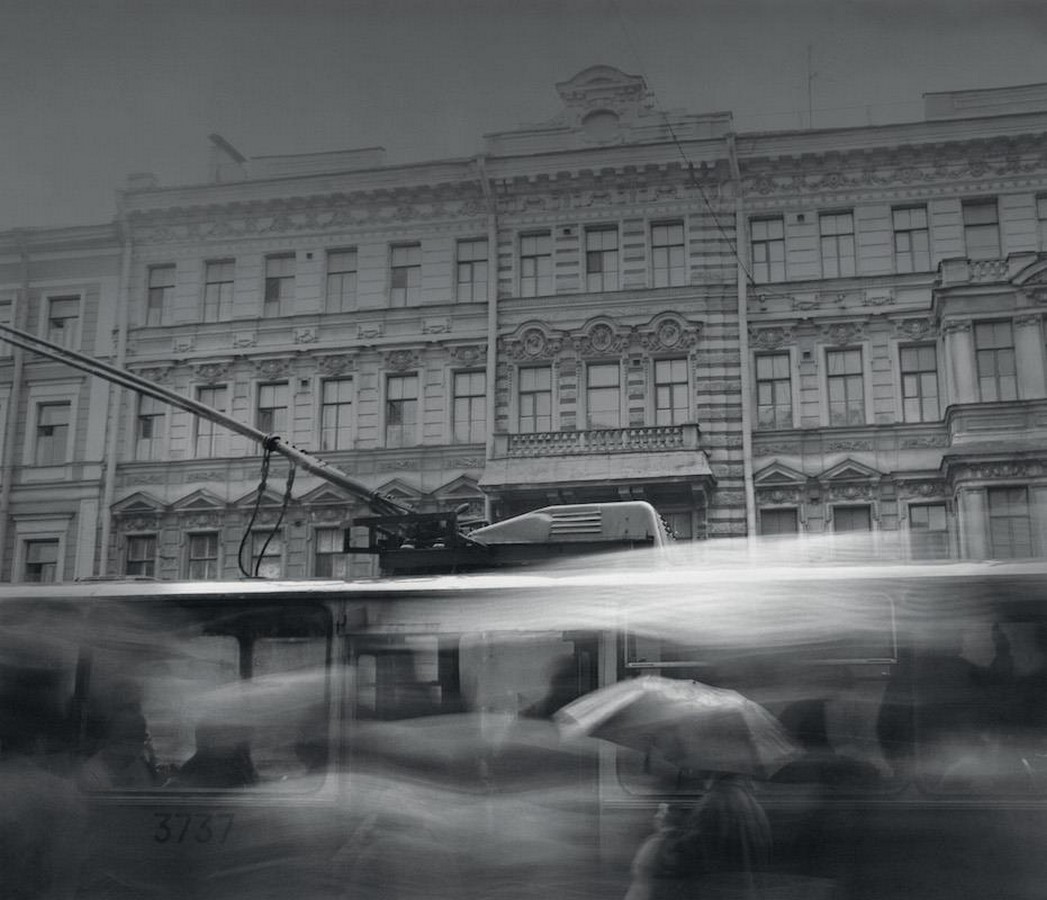
“The City of Shadows” is an excellent example of how storytelling can delve into the abstract facets of human existence while illuminating the deep influence that architecture has on our lives beyond its outward appearance. It exemplifies the transforming power of stories to rethink our relationship with the built world as well as the human spirit’s adaptability, capacity for reconstruction, and ability to find meaning in the face of architectural loss.

A Student and Architect Professional Perspective
As an architecture student, I spent many hours on architecture, design and modelling. However, it is through storytelling that I find strength beyond my real estate knowledge and enter a realm where the human condition can be explored in its purest form. Through stories, I found a creative outlet to express my thoughts, feelings and dreams without being limited to the body. In architecture, we usually focus on the features of crafts, craftsmanship plans, plans and models. But narration allows us to step out of this framework and get in touch with the deeper meaning of our lives. It encourages us to delve deeper into the “human experience” to understand the interconnected web of relationships, emotions, and desires that make up our lives.
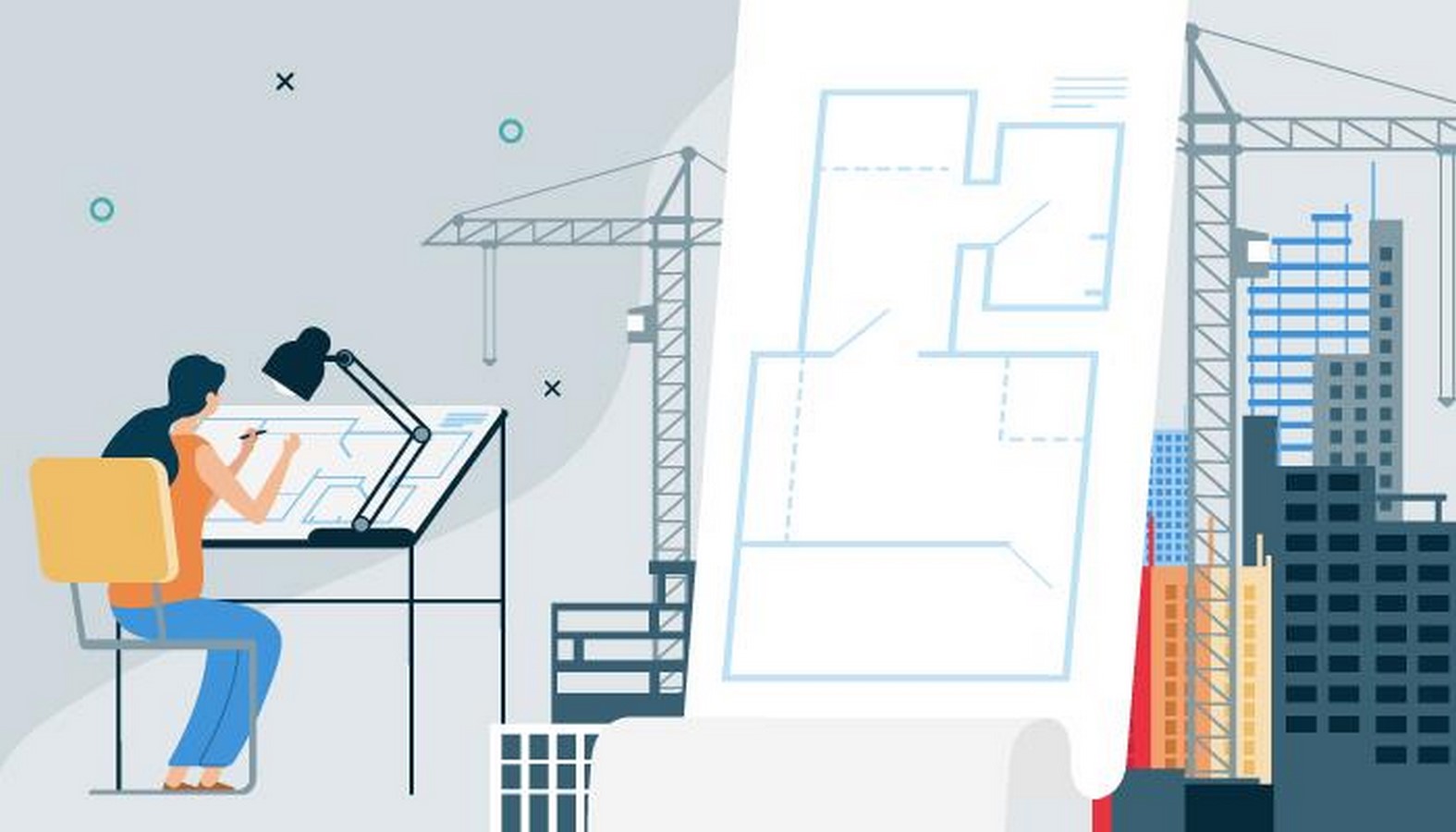

Similarly to this, storytelling is a potent tool for design discovery and inspiration for highly experienced architects. It offers a way to comprehend the social setting in which design emerges. By adding stories, architects may design environments that not only meet practical requirements but also evoke feelings, memories, and aspirations in those who use them. Whether creating a “public place” that encourages a sense of belonging or developing museums that narrate the history of a town, perspectives give architectural works of art vitality.
Exploring the Human Experiences
In a hopeless world, storytelling uncovers many aspects of the human experience. It shares our hopes, fears, and desires and paints a true picture of our relationship. We can express the emotions that bind us together, regardless of the structures around us, through “written words or visual mediums.”
Stories have the power to take us to different times, places and cultures and create understanding and understanding. They can explore the complexity of human relationships, chase dreams, and solve problems of the human condition. Through storytelling, we can transcend the physical confines of architecture and delve deeper into our shared humanity.


Architectural Inspiration
Although the story allows us to “explore human life without architecture”, it does not affect the importance of this discipline. Instead, it serves as a source of architectural design inspiration. Stories can capture the context, history, and aspirations of a community, allowing architects to gain a deeper understanding of the human context their designs create.
By integrating stories into architectural practices, designers can create spaces that resonate with the thoughts and experiences of their residents. The combination of storytelling and design can create a workplace that transcends function and beauty, including stories and narratives that together touch our hearts.


A forward-thinking architect wants to create a library that, via narratives, reflects the spirit of the neighborhoods it serves. The architect learns stories that reflect the history, challenges, and aspirations of the community through intensive research and involvement. Through interactive installations, multimedia displays, and digital technologies merging with architectural components, the library’s design creates dynamic spaces that reflect tales.

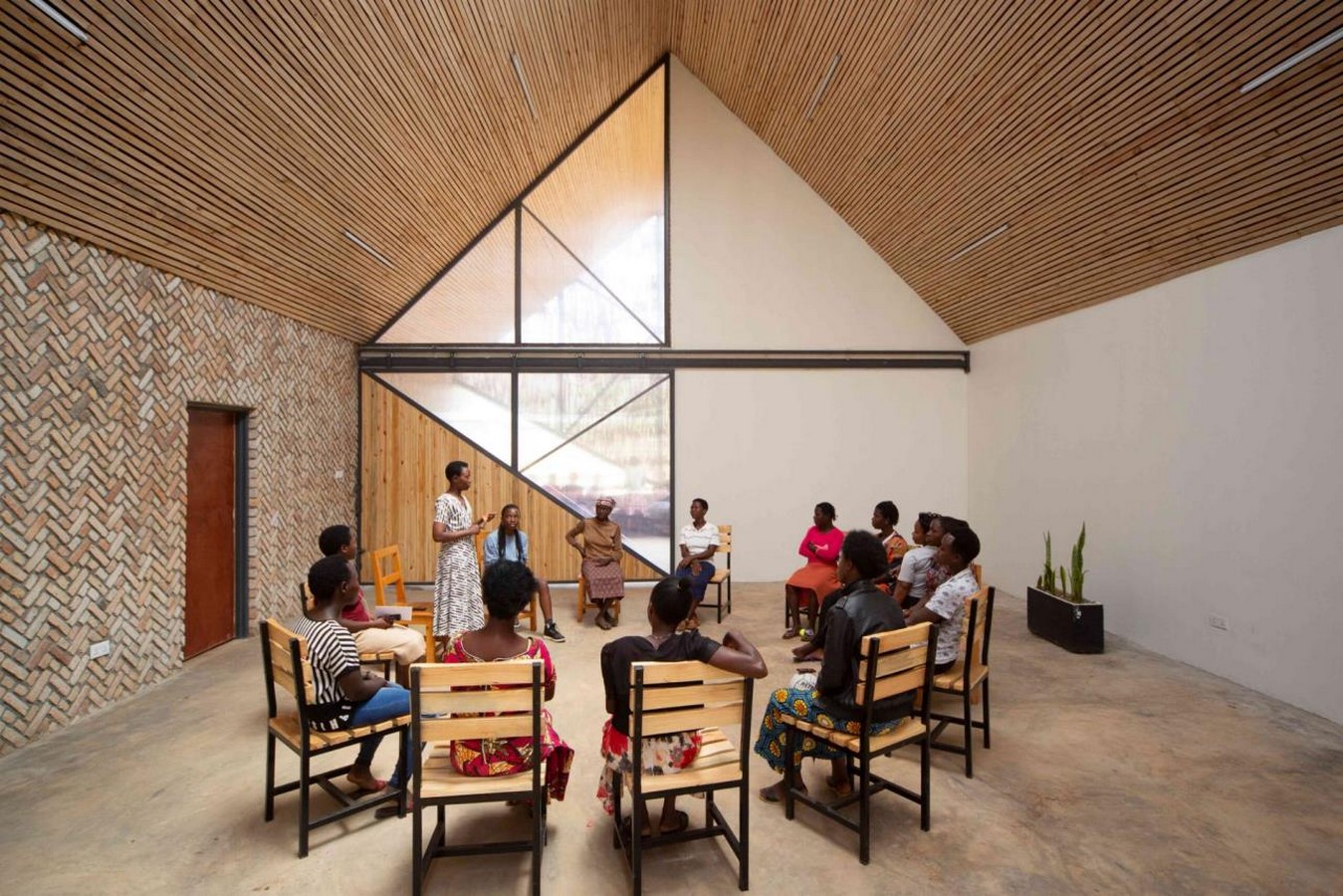
The library’s layout accommodates various activities inspired by storytelling, including reading nooks, storytelling circles, and flexible spaces for performances and workshops. The landscape surrounding the building incorporates narrative and architecture as well, providing serene gardens, Amphitheatre’s, and walkways for reflection or communication sessions. The library becomes a vibrant Centre celebrating the community’s identity and encouraging a sense of belonging and connection by incorporating narrative into the “architectural design”.

Conclusion
Storytelling offers a unique perspective on “human life”, allowing us to explore emotions, relationships, and desires. It also inspires students and architecture professionals to engage with intangible aspects of their craft, providing inspiration and understanding of human elements in designs. By combining architecture and storytelling, we can enrich each other, creating environments that embody the narratives and experiences shaping our collective consciousness. This synthesis unveiled the architectural essence, making the “exploration of human existence an immersive journey through narratives”.
#beyondarchitecture #narrativeexploration #humanexperienceuneviled #architecturalinspiration #storytellingmeetsdesign
References:
Berger, J. (1972). Ways of Seeing. Penguin.
Lefaivre, L., & Tzonis, A. (2003). Critical Regionalism: Architecture and Identity in a Globalised World. Prestel.
Mitchell, W. J. (1995). City of Bits: Space, Place, and the Infobahn. MIT Press.
Norberg-Schulz, C. (1980). Genius Loci: Towards a Phenomenology of Architecture. Rizzoli.
Rapoport, A. (1982). The Meaning of the Built Environment: A Nonverbal Communication Approach. University of Arizona Press.