Art has long served as a catalyst for social and political transformation. From Picasso’s ‘Guernica’ to Banksy’s thought-provoking street art, artists throughout the ages have used their creative prowess as a potent medium to stir emotions, challenge the status quo, and ignite conversations that go beyond the confines of traditional mediums.
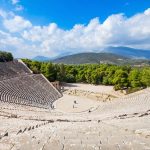
Stadiums have witnessed a remarkable evolution over time, reflecting the changing needs of sports, entertainment, and the fan experience. From ancient Greek amphitheaters to the iconic modern-day arenas, stadiums have become architectural masterpieces that blend functionality, aesthetics, and technology. This essay provides an overview of stadium design, tracing its historical evolution and exploring the key considerations in designing contemporary sports facilities that can accommodate a variety of events and activities.
Historical Evolution of Stadium Design:
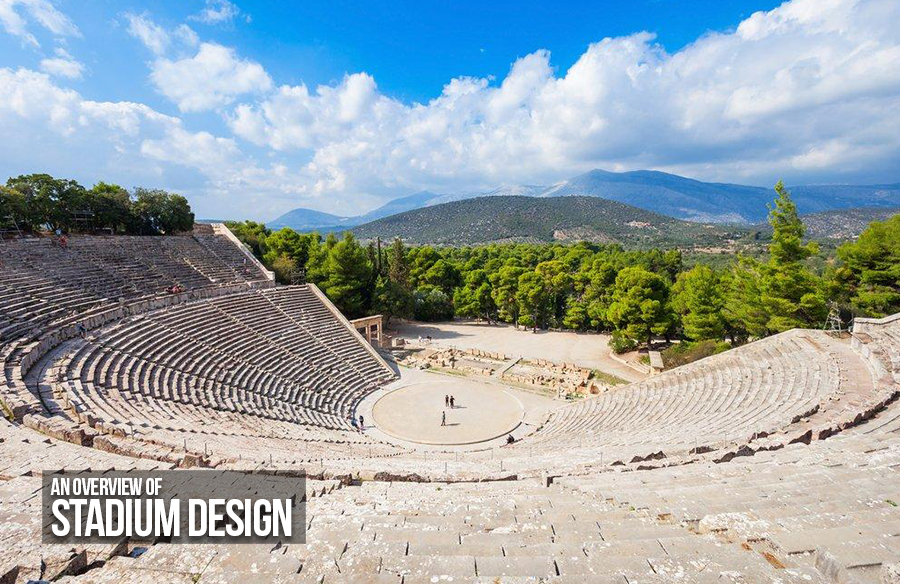
Stadium design has deep historical roots, dating back to ancient civilisations. The Greeks and Romans constructed stadiums that hosted athletic competitions, establishing the foundation for future stadium designs. These early stadiums had simple layouts, emphasising visibility and proximity to the action. During the Industrial Revolution, the concept of purpose-built stadiums emerged, coinciding with the rise of modern sports. The development of infrastructure and technological advancements allowed for larger, more complex stadium designs. Notable examples include the Crystal Palace in London and the first modern Olympic stadium in Athens.

Key Considerations in Designing Modern Sports Facilities
Designing a modern sports facility requires careful consideration of various factors to create a versatile and functional space:
- a) Accessibility and Circulation: Modern stadiums prioritize ease of movement for spectators, athletes, and staff. Efforts are made to provide accessible seating, clear pathways, and efficient crowd management systems.
- b) Flexibility and Multi-Purpose Use: Today’s stadiums are designed to accommodate a diverse range of events, including sports, concerts, and cultural festivals. Flexible seating arrangements, movable elements, and adaptable infrastructure enable seamless transitions between different event types.
- c) Fan Experience and Amenities: Enhancing the spectator experience is crucial in modern stadium design. Architects focus on optimizing sightlines, acoustics, and seating comfort. State-of-the-art amenities, such as premium seating areas, food and beverage options, and interactive displays, further enrich the fan experience.
- d) Sustainability and Environmental Considerations: With growing environmental consciousness, stadium design has embraced sustainability. Incorporating renewable energy sources, efficient waste management systems, and green building materials help reduce the environmental impact of stadiums.
- e) Technological Integration: Stadiums today are equipped with advanced technologies to enhance the fan experience. These include high-definition video screens, integrated sound systems, Wi-Fi connectivity, and mobile applications that provide real-time updates and interactive features.
- f) Safety and Security: Stadiums must prioritize the safety and security of attendees. Robust security measures, emergency response protocols, and crowd control systems are integral aspects of stadium design.
Case Studies: Notable Stadium Designs
a) Wembley Stadium, London: The iconic Wembley Stadium symbolises modern stadium design. It combines architectural grandeur with cutting-edge technology, including the largest LED screens in Europe, retractable seating, and a state-of-the-art roof.

b) Mercedes-Benz Stadium, Atlanta: This stadium showcases innovative features such as a retractable roof that mimics the motion of a camera aperture, a 360-degree circular video board, and sustainable initiatives such as rainwater harvesting and solar panels.

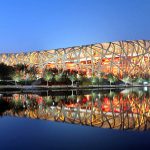
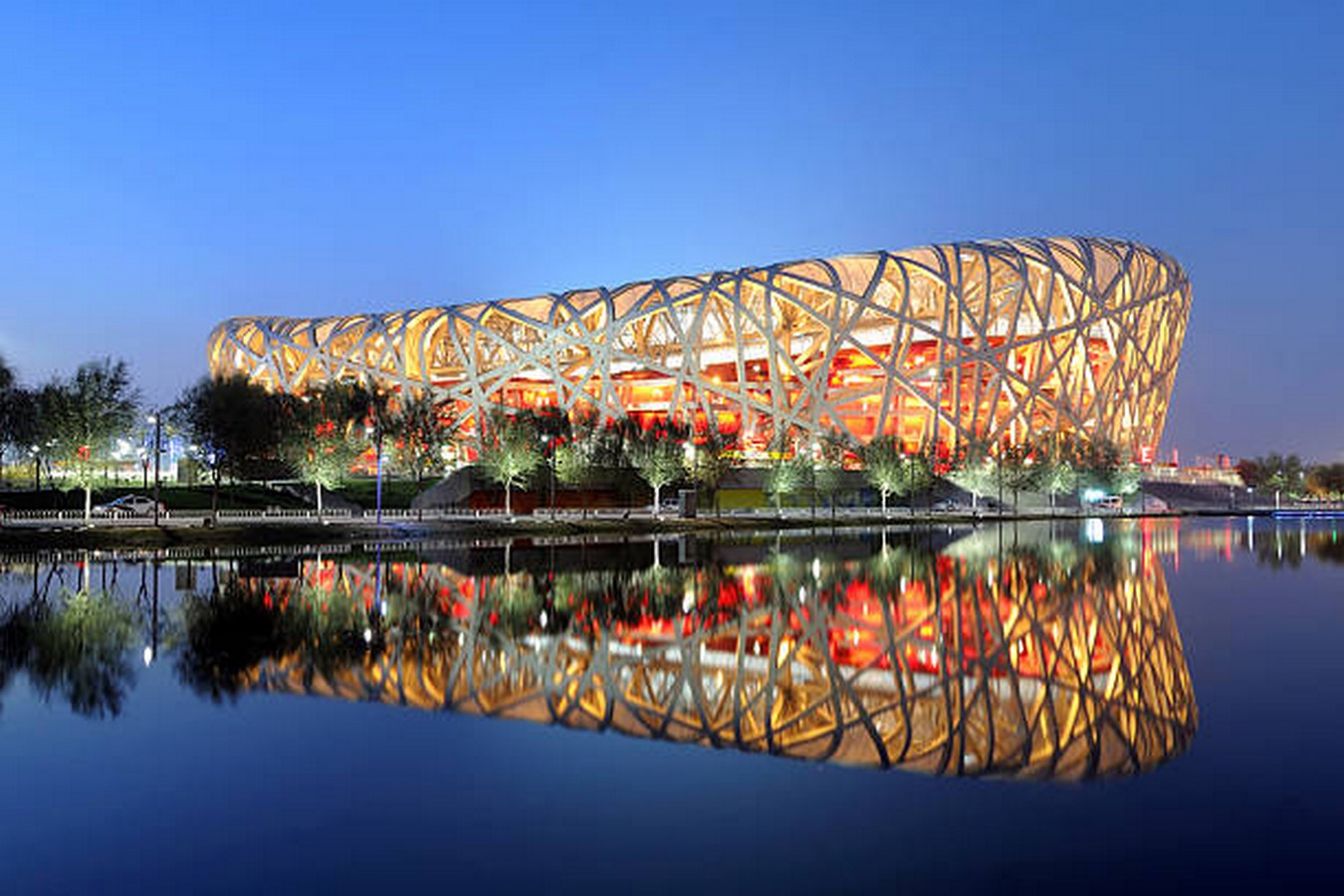
c) The Bird’s Nest (National Stadium), Beijing: This iconic structure was the centrepiece of the 2008 Beijing Olympics. Its intricate steel lattice design, inspired by traditional Chinese ceramics, demonstrates the fusion of architectural aesthetics and cultural symbolism.
Emerging Trends in Stadium Design
a) Sustainable Design Practices: As sustainability becomes increasingly important, stadiums are adopting green design practices to minimise their environmental impact. This includes the use of eco-friendly materials, energy-efficient systems, and renewable energy sources. Stadiums are implementing features like solar panels, rainwater harvesting systems, and efficient waste management strategies to reduce their carbon footprint. To create a holistic and inviting environment, stadiums incorporate green spaces, landscaped areas, and outdoor amenities. This includes parks, plazas, walking paths, and recreational spaces that provide opportunities for relaxation and social interaction.
b) Health and Wellness: Stadiums are now prioritising the health and well-being of attendees. This includes designing spaces that promote physical activity, such as walking paths and exercise facilities. Additionally, stadiums are incorporating healthier food options, promoting local and organic products, and focusing on creating a clean and comfortable environment for spectators.
c) Adaptive and Flexible Spaces: Modern stadiums are designed to accommodate a variety of events and activities beyond traditional sports games. They feature adaptable spaces and modular designs that can be transformed to suit different event requirements. This flexibility allows stadiums to host concerts, conferences, exhibitions, and cultural events, maximising their utilisation and revenue generation.
d) Integration of Smart Technology: Stadiums are embracing the concept of the smart venue, integrating advanced technologies to enhance the overall experience. This includes high-speed Wi-Fi connectivity, mobile apps for ticketing and in-seat ordering, digital wayfinding systems, and personalized content delivery. These technologies enable seamless communication, convenience, and personalisation for spectators. Stadiums are incorporating technologies that allow fans to engage actively during events, such as interactive displays, augmented reality experiences, and social media These advancements enhance the overall fan experience by providing interactive and immersive elements that go beyond watching the game.
e) Inclusive Design: The concept of inclusive design is gaining importance in stadium architecture. It focuses on creating spaces that are accessible to all individuals, regardless of their physical abilities. Stadiums are incorporating features such as wheelchair-accessible seating, assistive technologies, and sensory-friendly spaces to ensure inclusivity and equal opportunities for everyone.
f) Integration of Art and Culture: Stadiums are increasingly being seen as cultural icons and art installations. Many stadium designs incorporate artistic elements, sculptures, murals, and installations that reflect the local culture and heritage. This integration of art and culture adds aesthetic value to the stadium and creates a unique sense of place.
g) Safety and Security Enhancements: In response to evolving security concerns, stadiums are implementing advanced safety measures to ensure the well-being of attendees. This includes the use of surveillance systems, access control systems, crowd management strategies, and emergency response protocols. Stadiums are designed to facilitate safe and secure environments for large gatherings.
In conclusion, stadium design has evolved significantly over time to meet the changing needs of sports, entertainment, and the overall fan experience. The integration of technology, sustainability, inclusivity, and adaptability has transformed stadiums into dynamic spaces that cater to a wide range of events and activities. By prioritising equity and justice in their designs, architects and designers can ensure that stadiums serve as inclusive, accessible, and environmentally responsible venues. The future of stadium design lies in embracing emerging trends, incorporating innovative technologies, and creating spaces that foster a sense of community, enjoyment, and social engagement.
References:
- Goldblatt, D. (2014). The Ball is Round: A Global History of Soccer. Penguin UK.
- Hill, J., & Gold, M. (2016). Stadium Worlds: Football, Space and the Built Environment. Routledge.
- Liu, C., & Jia, J. (2012). Stadium Design. Tongji University Press.
- Project references:
– Wembley Stadium. Retrieved from https://www.wembleystadium.com/
– Mercedes-Benz Stadium. Retrieved from https://mercedesbenzstadium.com/
– The Bird’s Nest (National Stadium). Retrieved from https://www.nationalstadium.beijing.cn/