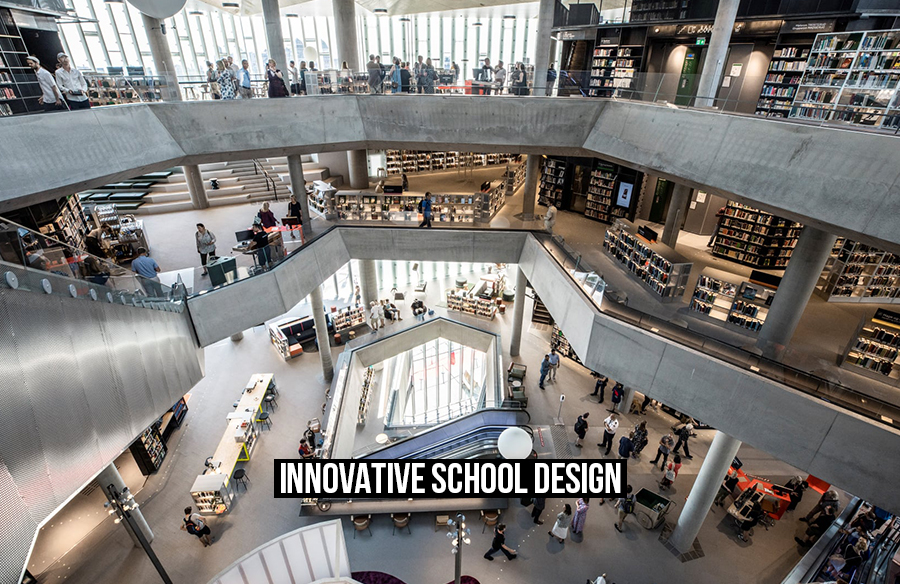
Architects and designers are playing a crucial role in creating innovative learning spaces that go beyond conventional classrooms in today’s rapidly shifting educational scenario. These professionals are fostering environments that inspire engagement, encourage collaboration, and improve educational outcomes by mindfully taking into account the various needs of students and utilising contemporary teaching techniques. In the evolving world of education, architects and designers are taking the lead in rethinking school architecture. Their innovative methods are transforming conventional classrooms into stimulating learning environments that encourage creativity, interaction, and improved educational outcomes. This article examines how architects and designers are redefining school architecture, with an emphasis on adapting spaces to appeal to young learners’ five senses and psychology.
Flexible Learning and Breakout Spaces
These flexible spaces have movable furniture, divider walls, and multipurpose spaces that are simple to change to accommodate different teaching strategies and activities. Flexible learning environments enable teachers to toggle between lectures, group projects, and private study with ease, resulting in a more dynamic and interesting learning environment (Minero).
Flexible learning environments are best exemplified in the Fuji Kindergarten in Tokyo, where students can freely travel between indoor and outdoor learning areas due to its circular form, which promotes movement and exploration. The open floor concept encourages group learning while keeping a sense of connection to the outdoors.

While schools like IDEO accommodate Breakout spaces that have been strategically placed throughout the California d.school, these areas give students the ability to wander away from the box of the typical classroom to embark on group projects or engage in solitary reflection, promoting a more student-centred approach to education. These spaces give students an opportunity for a change of scene and an option to participate in group conversations, brainstorming sessions, or self-reflection. Small meeting rooms, cosy nooks, or open lounge areas can all serve as breakout spaces that promote collaboration and creativity.
Learning Landscapes and Open Resource Libraries
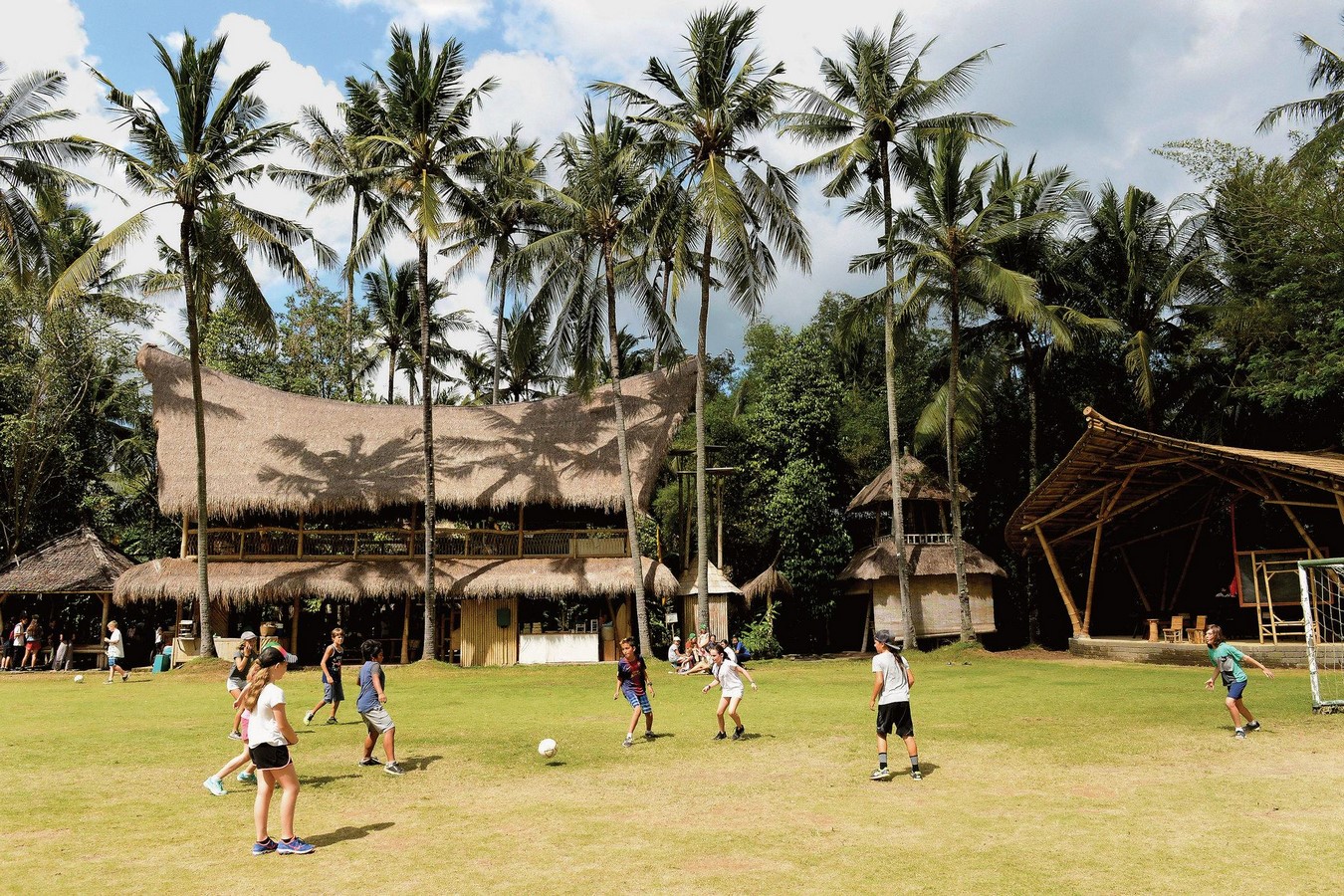
Learning landscapes transform natural areas into outdoor classrooms, providing possibilities for experiential and hands-on learning. These leading-edge environments include elements like gardens, outdoor classrooms, and natural play areas (Davidson). Architects and designers can encourage kids’ natural wonder and interest by incorporating nature into the educational process, which improves students’ cognitive growth and general well-being. The Green School in Bali melds in perfectly with the lush surroundings. Its instructional environment includes outdoor classrooms, sustainable farming plots, and organic gardens, establishing a bond between pupils and the natural world (Jackson).
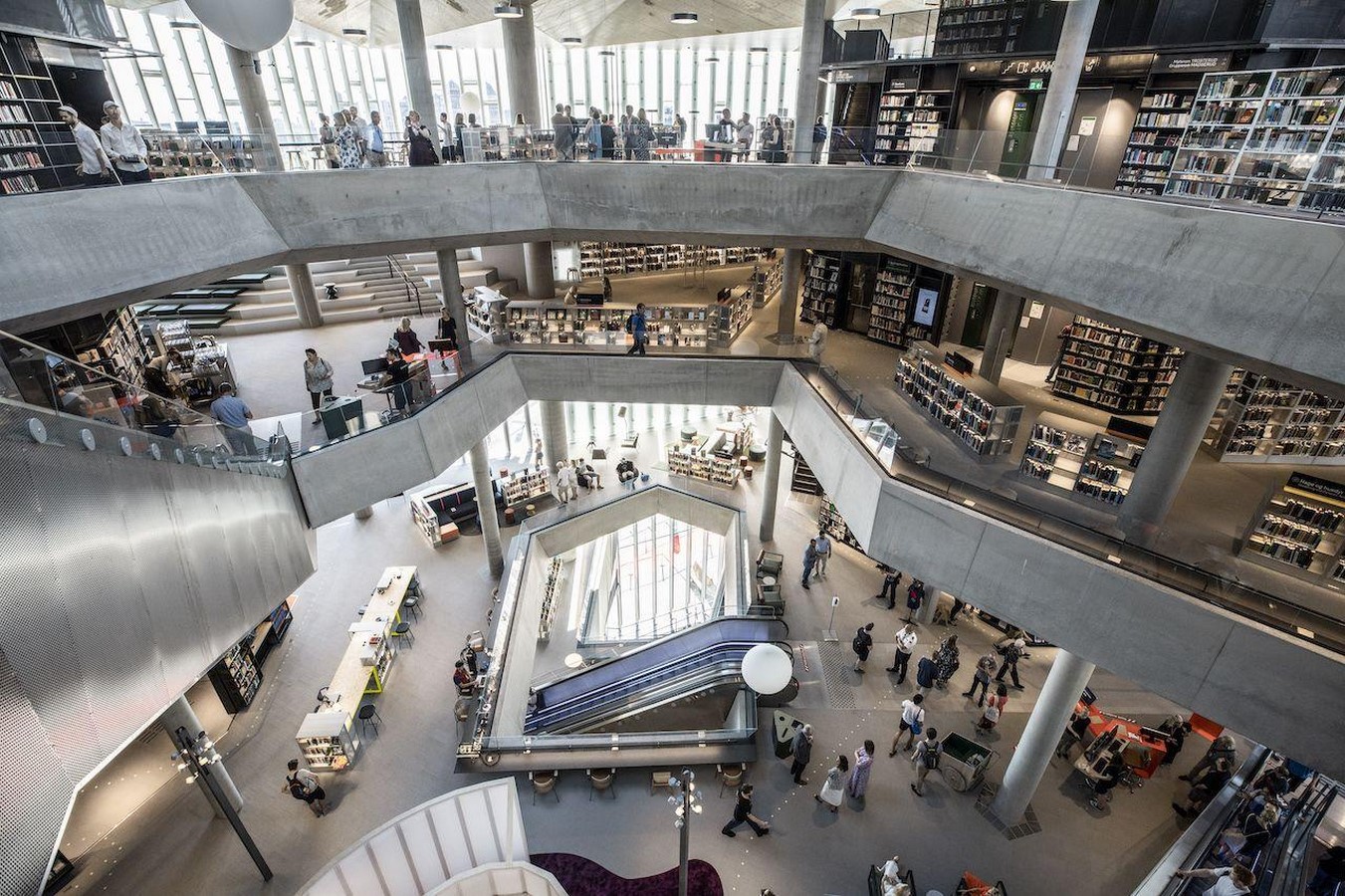
Conventional libraries are evolving into dynamic centres of knowledge, cooperation, and technology known as open-resource libraries. This idea is best illustrated by Oslo, Norway’s Deichman Bjrvika Library where open areas are drenched in natural light, creating an inviting environment for students to interact with a variety of educational tools and explore their interests (Baan et al.). These areas promote exploration, self-learning, and research through the provision of access to a variety of resources, including books and digital items. Open-access libraries frequently have relaxing seating, engaging displays, and adaptable workstations to accommodate various approaches to education and interests.
Learning Spaces Adapted to Child Senses and Psychology
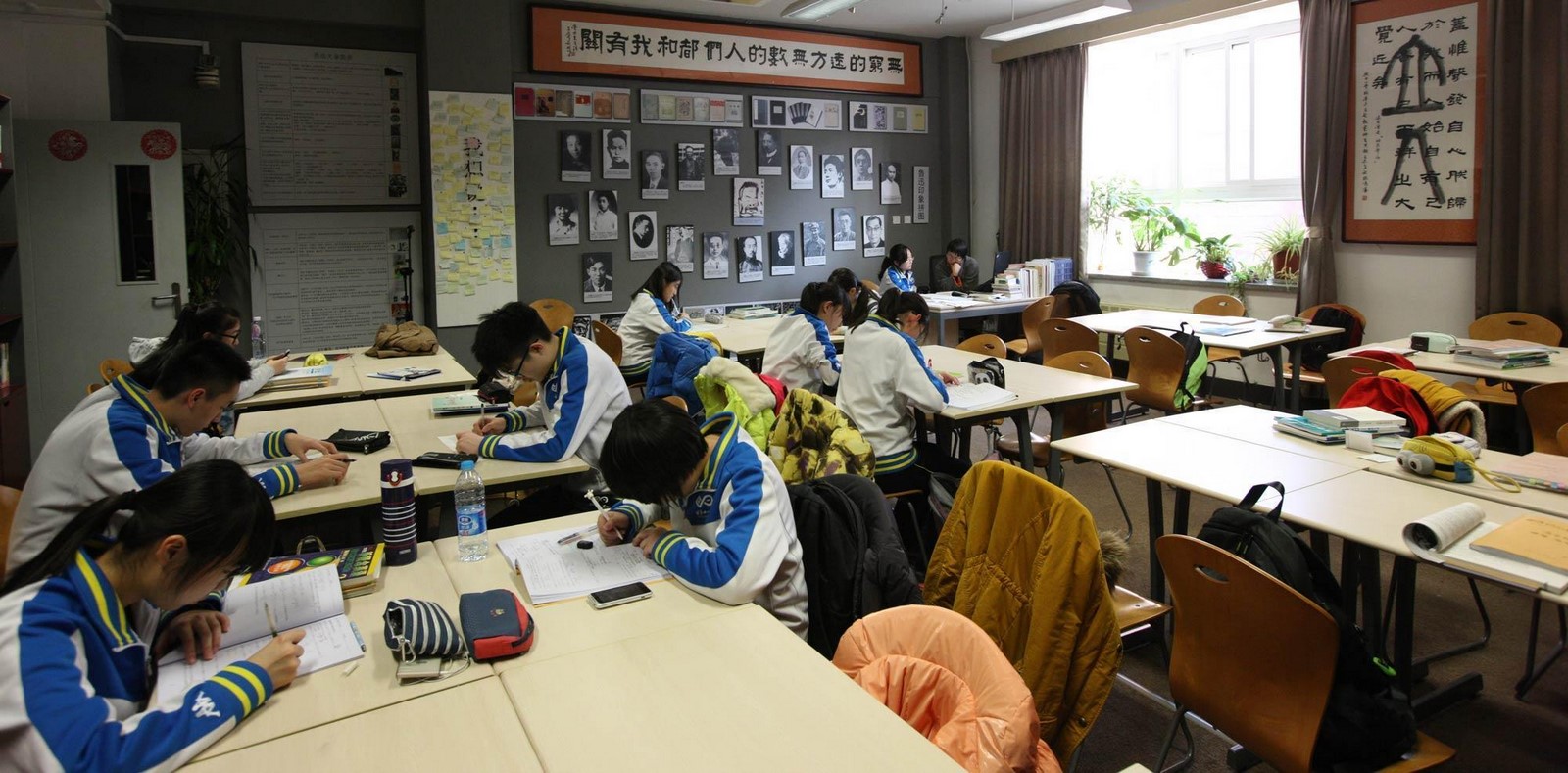
Architects and designers are recognizing the importance of adapting spaces that help engage children’s senses and support their cognitive, emotional, and physical well-being. The focus and engagement of children are greatly influenced by visual stimuli. Their imagination and curiosity can be stimulated by vivid colours, interactive displays, and age-appropriate images (“The 8 Senses: How Your Child Interacts with the Environment – CHLSS”). Texas’ Westlake High School, part of the Eanes Independent School District, provides captivating classrooms, vibrant murals, and inventive signage that help to create an interactive atmosphere and improve learning. Their sensory development can also be stimulated by incorporating tactile encounters into learning environments. Children get the chance to use their sense of touch in soft seating places, on textured walls, and with hands-on materials. To encourage tactile learning and sensory engagement, the Beijing National Day School in China, for instance, has classrooms with a variety of textures, including stone, fabric, and wood.
Innovations and the Power of Technology
Technology’s influence on education is evident as it evolves further. Technology is now incorporated into creative school design to create spaces that transform learning. Improve connectivity, personalised learning, and teamwork. Technology enables customised learning experiences catered to the requirements of students (Wakefield). A student’s progress can be evaluated, areas for growth can be identified, and specialised educational material can be provided using adaptive learning platforms, intelligent tutoring systems, and AI-powered tools. Through personalised learning platforms, the Summit Public Schools network in California allows students to create objectives, monitor their progress, and access materials specifically designed for their unique educational needs.
The interactions between students and teachers are changing due to digital collaboration technologies. Students and educators can work together in real time with the help of cloud-based platforms, video conferencing, and online collaboration tools. The Virtual Learning Environment (VLE) at UWC South East Asia encourages collaborative learning by offering a centralised forum for conversations, document sharing, and project collaboration.
Conclusion
Designing learning environments that improve student results, encourage engagement, and support holistic development, architects play a crucial role in shaping the future of education through innovative school design. Future classrooms will continue to take on new characteristics due to technology. Architects envision these innovative learning environments to include interactive smart boards, augmented reality, virtual reality, and personalised digital gadgets. Technology will enable individualised learning opportunities, global collaboration, and access to numerous digital resources.
References:
“The 8 Senses: How Your Child Interacts with the Environment – CHLSS.” CHLSS –, 29 August 2018, https://chlss.org/blog/8-senses-parenting-sensory-processing-disorder/. Accessed 2 July 2023.
Baan, Iwan, et al. “Deichman Bjørvika: Oslo Public Library.” Iwan Baan, https://iwan.com/deichman-bjorvika-oslo-public-library/. Accessed 2 July 2023.
Davidson, Jill. “Innovative School Design for Small Learning Communitites.” Coalition of Essential Schools, http://essentialschools.org/horace-issues/innovative-school-design-for-small-learning-communitites/. Accessed 2 July 2023.
Jackson, Davina. “Bamboo architecture: Bali’s Green School inspires a global renaissance.” The Conversation, 2 September 2019, https://theconversation.com/bamboo-architecture-balis-green-school-inspires-a-global-renaissance-121248. Accessed 2 July 2023.
Minero, Emelina. “The Architecture of Ideal Learning Environments.” Edutopia, https://www.edutopia.org/article/architecture-ideal-learning-environments. Accessed 2 July 2023.
Wakefield, Jane. “Technology in schools: Future changes in classrooms.” BBC, 2 February 2015, https://www.bbc.com/news/technology-30814302. Accessed 2 July 2023.