Architecture and the spaces we live in influence every moment of our lives. We are constantly experiencing the space and the vibe of architecture and the mind is constantly getting shaped as per its surroundings. Architecture not only means the built form but also the environment inside and around it. It is the art of creating a conducive environment for a person or people to function in an effective manner.
Sensorial Impacts
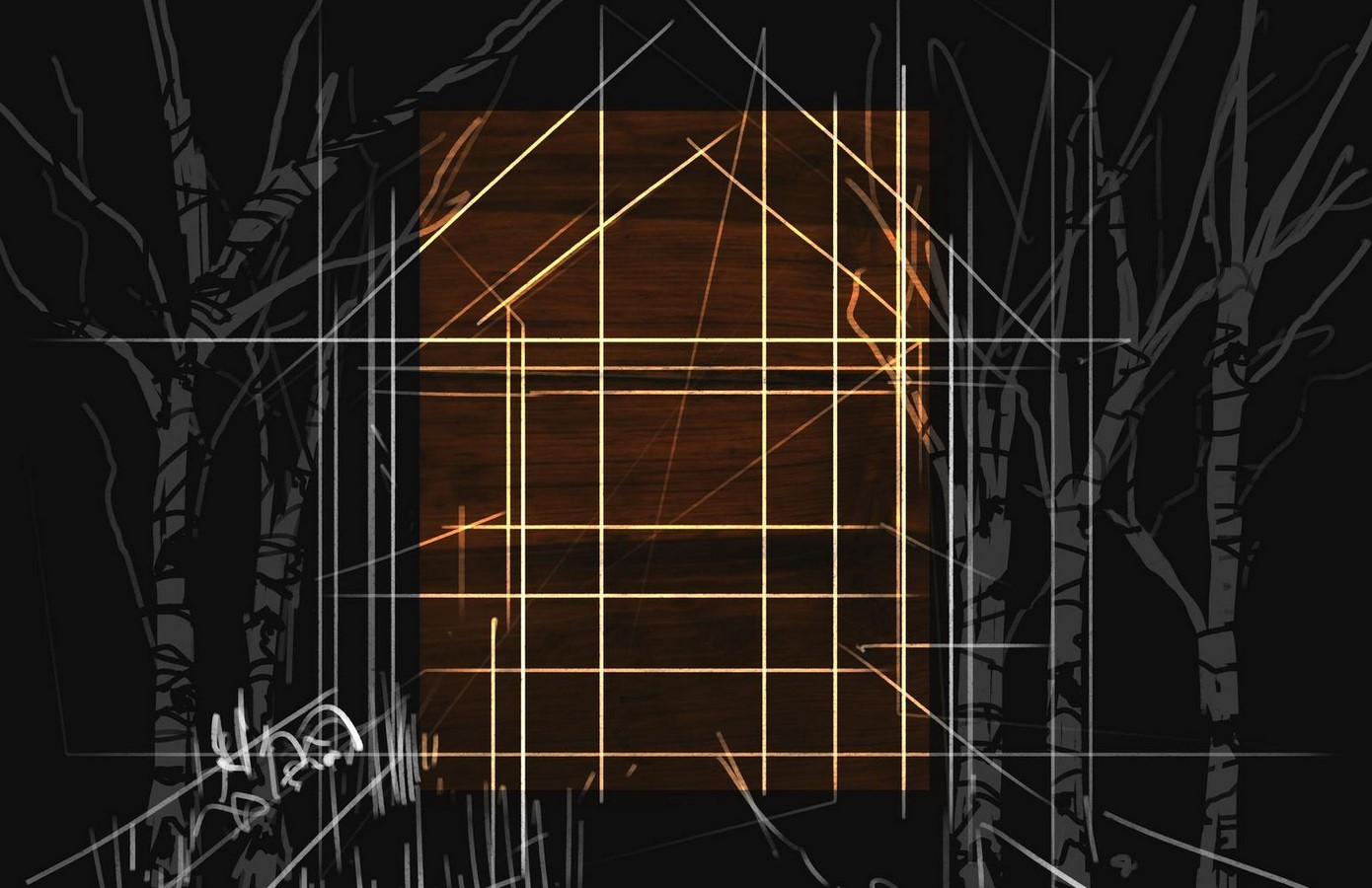
As the saying goes, ‘We are what we eat, Architecture says ‘our thoughts are what we see, experience and perceive’. The views that our eyes arrest, the texture we feel, and the overall experience that architecture and its interior impart on us contribute towards our mental health and mood frame.
Evidence Based Impacts
The spaces we perceive have a profound impact on our brains and thoughts. Through considerable researches, it has been established that people have multiple subconscious tendencies and behaviors that govern their responses to the built environment (Rock, n.d.). In other words, people are affected by the stimuli that our surroundings and built environment create.
Space evokes the multisensory and unconscious attention of human beings. Our cognition reacts to change in various aspects of experience such as a visual change in axis, any patterns, spatial experience of narrow vs open area, the composition of solid and void, etc. Hence architecture not only has a conscious impact on a person but also subconsciously affects a person’s mind and state of being. It is not always the buildings or spaces but sometimes the deep connection to nature through landscape helps in seeking a peaceful mind.
Psychological Impacts
The psychological response to the environment is not new but studied for centuries. For example – Indian beliefs on Vaastu Shastra are also focused on the harmonic structure, color, furniture, light, etc. that directly impacts our brain in a positive or negative way. However, the scientific basis of these studies is still lacking and needed to be researched.
Retaining Memories
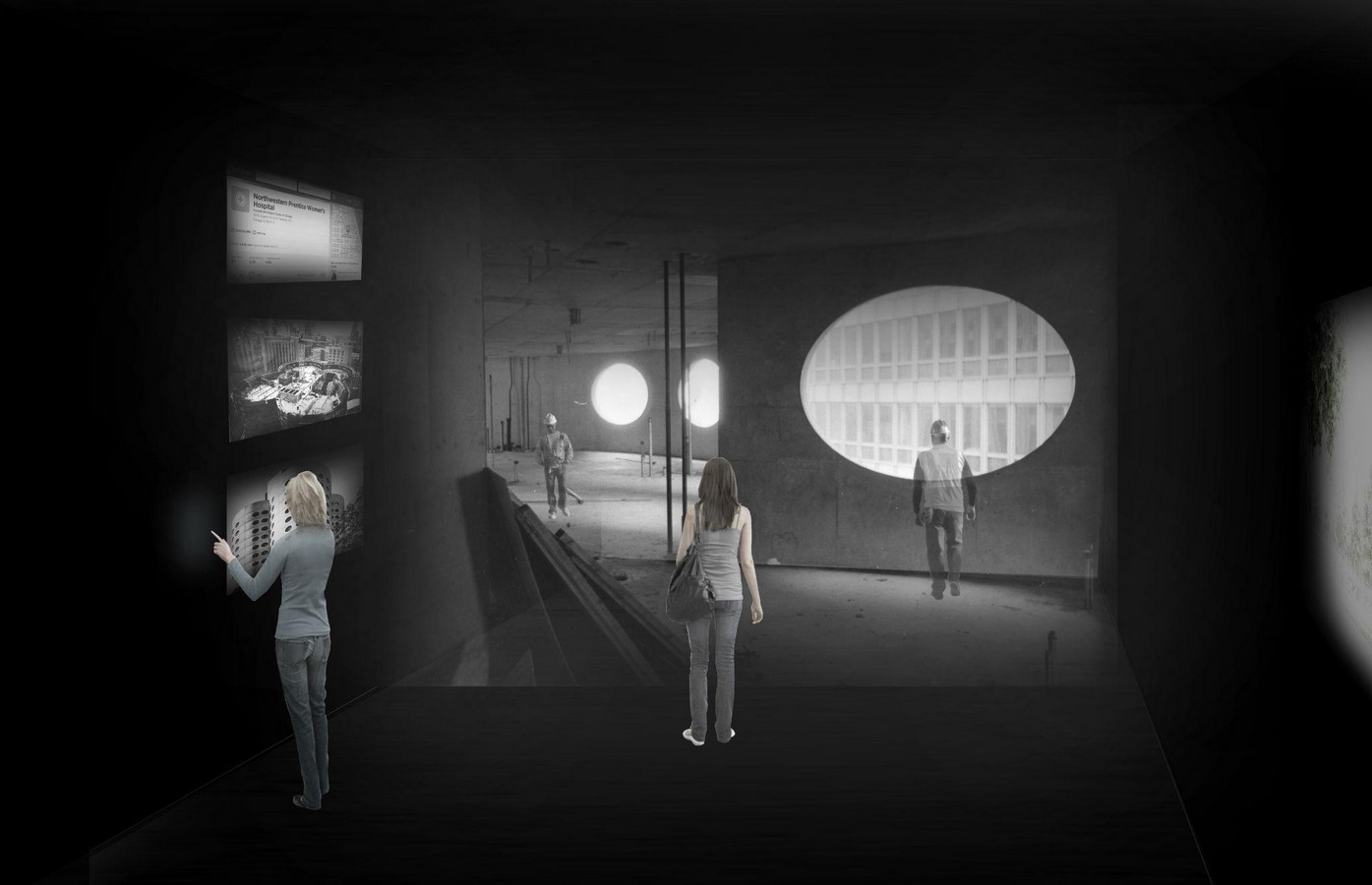
Architecture and space are a great way of retaining any memories or incidences because it has been proved that pictures are retained in a human brain more than words. I wonder if all of my childhood memories are associated and backed by the built environment and the spaces experienced at that time. From the corner of the small room where we played hide and seek, the path paved by stones in the backyard to the times with school friends at the school building. Every memory is associated with the place, space, or elements that coexisted with space.
Some of them I feel are constructed from the things my parents and friends tell me, but again the imagery that forms in the mind is not devoid of architecture or space.
Oliver Sachs in his essay “Speak Memory” published in the New York Times mentioned that he actually went to the place to check if the memory he has of a certain incident is real or just created as heard multiple times and he found that the memory was real (Sacks, 2021). It shows the significance of architecture and space in shaping the memories, thoughts, and experiences in our lives.
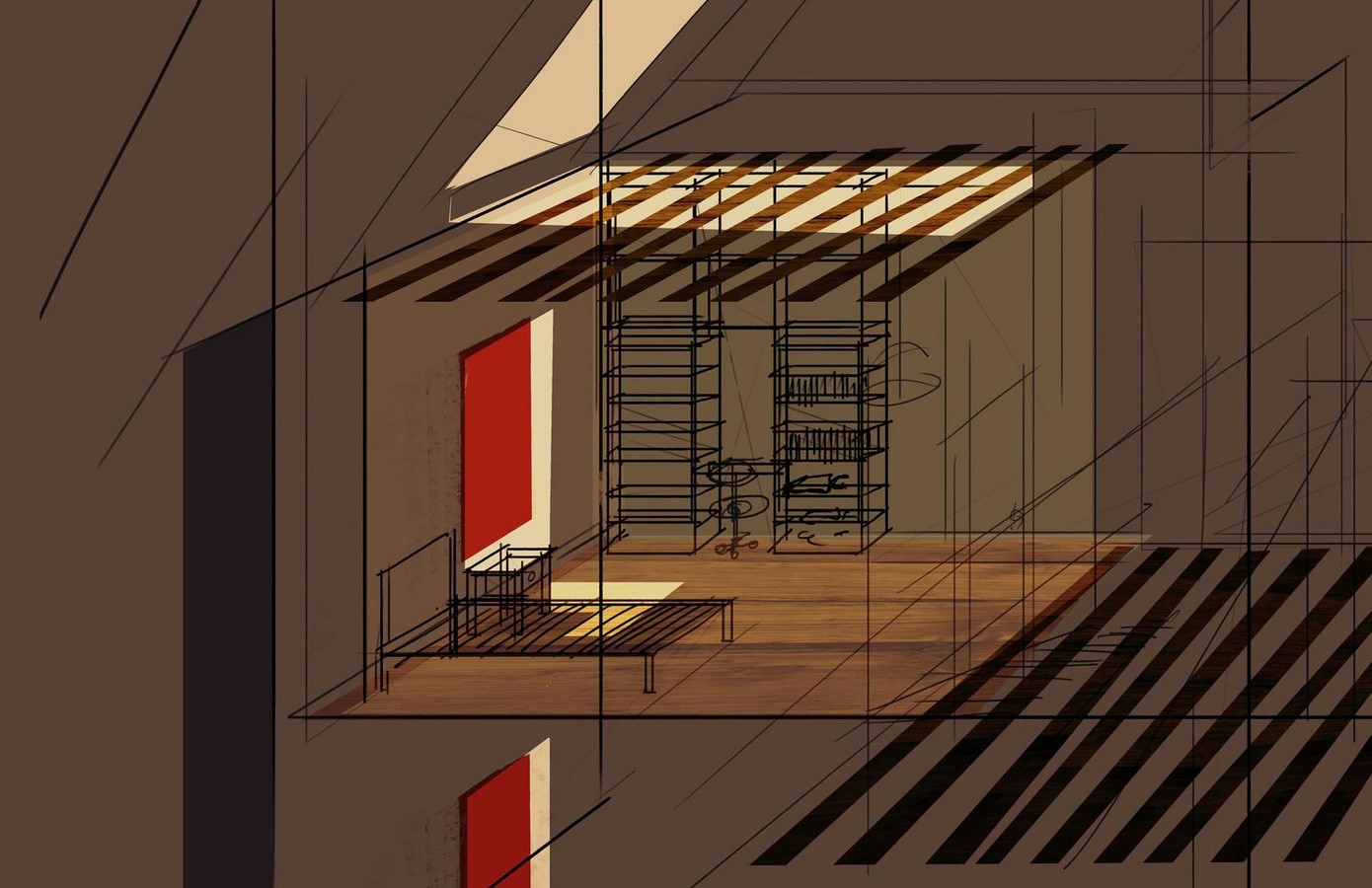
Mind Palace
Sherlock Holmes, a fictional character who is an expert in remembering facts, uses the technique of mind palace, which was originally called the ‘method of loci’ discovered in Greece and actually proved to be an efficient technique of retaining memories. The technique works by building a familiar structure in the brain or building blocks in the imagination to organize data or memories in different spaces of the building or creating a space and organizing memories as different elements in the space. The potential of an evolved brain to retain imagery experience helps retrieve them from the imagination whenever required. Thus, we see that architecture certainly has a major connection with our brains. Research says that the hippocampal region of the brain is keyed to the geometric patterns and space arrangements (Grieves and Jeffery, 2017), so as a designer or an architect, this structure of the brain helps in practicing conscious and intelligent design practices by intertwining the designing and psychological studies.
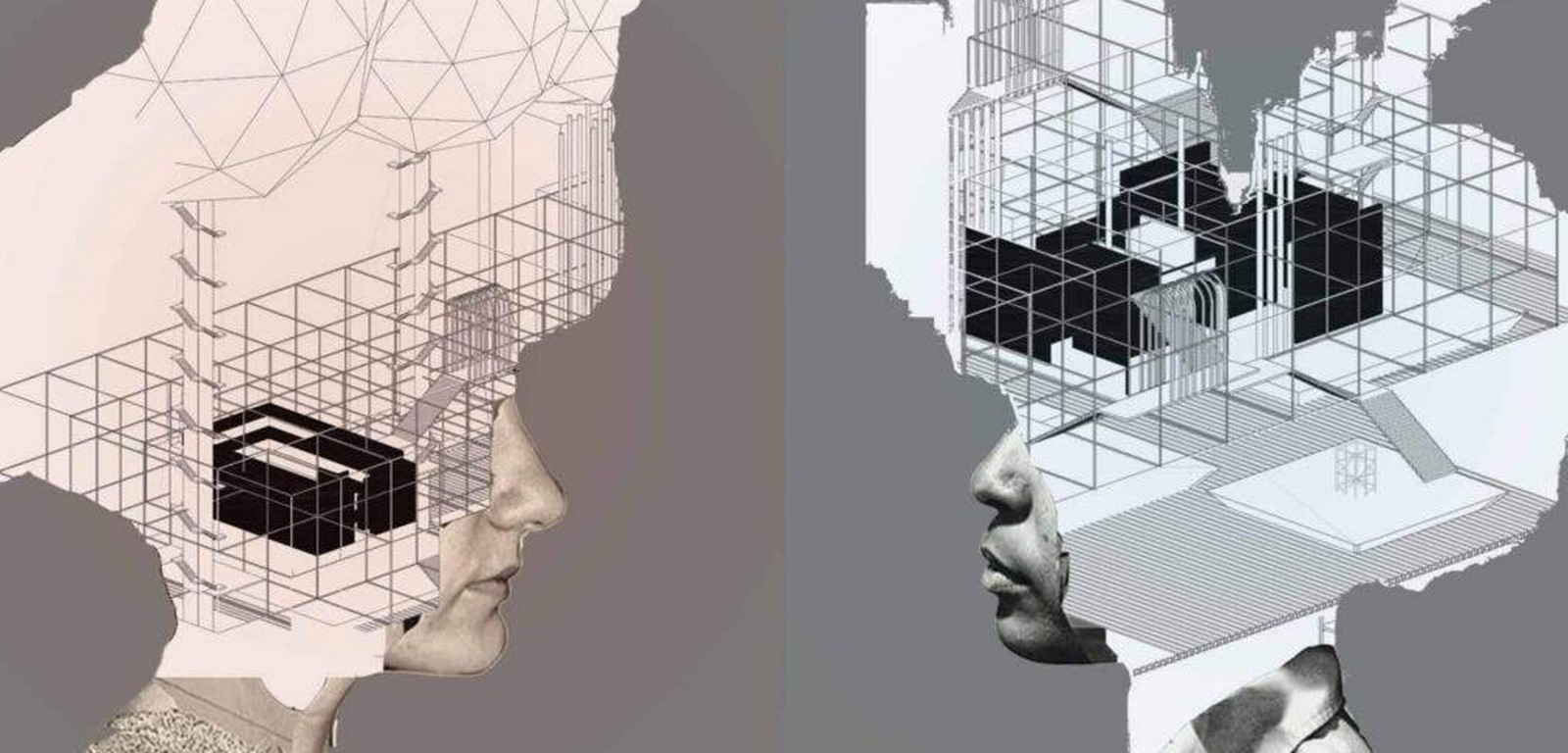
Neuroarchitecture
Public places and city spaces are another domain where people spend their time other than home, office buildings, and other architectural places. For the buildings, architects can directly see the conscious responses of people based on their experiences and directly link it to the evidence-based psychological effect the design would make but the unconscious reaction to stimuli is still difficult to analyze. In public places and cities, people may not be consciously aware of the effect of stimuli that multiple aspects of an environment create. For e.g.- to understand the impact of community space on a person, several factors such as time and frequency of using the space, the activity one performs in the space, cultural and social environment of the person needed to be understood properly.
Therefore, every space or architecture is full of information and values that affect a person on a deeper level which is hard to isolate and identify unless technology extends its arms to connect with the neural structure and responses of people individually for every aspect and factor.
There is plenty of evidence to prove how buildings affect us, but if we closely pay attention to our inhabitation and the surroundings, we understand how closely it knits our life and activities.
Bibliography
Sacks, O., 2021. Speak, Memory | by Oliver Sacks | The New York Review of Books. [online] The New York Review of Books. Available at: <https://www.nybooks.com/articles/2013/02/21/speak-memory/> [Accessed 4 June 2021].
Rock, D., n.d. Your brain at work.
Grieves, R. and Jeffery, K., 2017. The representation of space in the brain. Behavioural Processes, 135, pp.113-131.