“I BELIEVE THAT THE WAY PEOPLE LIVE CAN BE DIRECTED A LITTLE BY ARCHITECTURE.” – TADAO ANDO
Most of our lives are spent inside the buildings. Our conceptions are shaped by their walls, and the way we perceive things is influenced by our environment. Throughout history, architecture has stood as a representation of society, reflecting the values, successes, and eventual flameout of civilizations with time. From the monumental structures to the residences and buildings that make up the tissue of a place, we can learn a lot about who the people were who inhabited them long before our time. Architecture and interior design may affect a person’s health, actions, mood, decisions, and communication with others. By studying the built environment of the past, combined with modern-day research on psychology and the health of the Earth, we’re coming to understand the effects of architecture on people in completely new ways, which begs the question: Just how does architecture hit our lives?
The collaborative process of Architecture
“ARCHITECTURE IS THE DANGEROUS MIX OF POWER AND IMPORTANCE.”– REM KOOLHAAS
At its roots, architecture exists to create the physical territory in which people inhabit, but architecture is more than just the built environment, it’s also a part of our civilization. It stands as a portray of how we see ourselves, as well as how we see the Earth. While the concept of shelter is a fairly simple thing, the style of buildings was originally shaped by the climatic conditions of a particular location, locally available materials, as well as the values of the community, building them. As the world became incrementally connected, the styles unfold, but even in modern fabrication, there is still an importance in honouring the cultural variation in the built environment. There’s also the understanding that architecture is a speciality within itself, and one could argue that it’s equally critical for architects to continue to push the extremities of structures in new ways, for the pure shadowing of the craft.
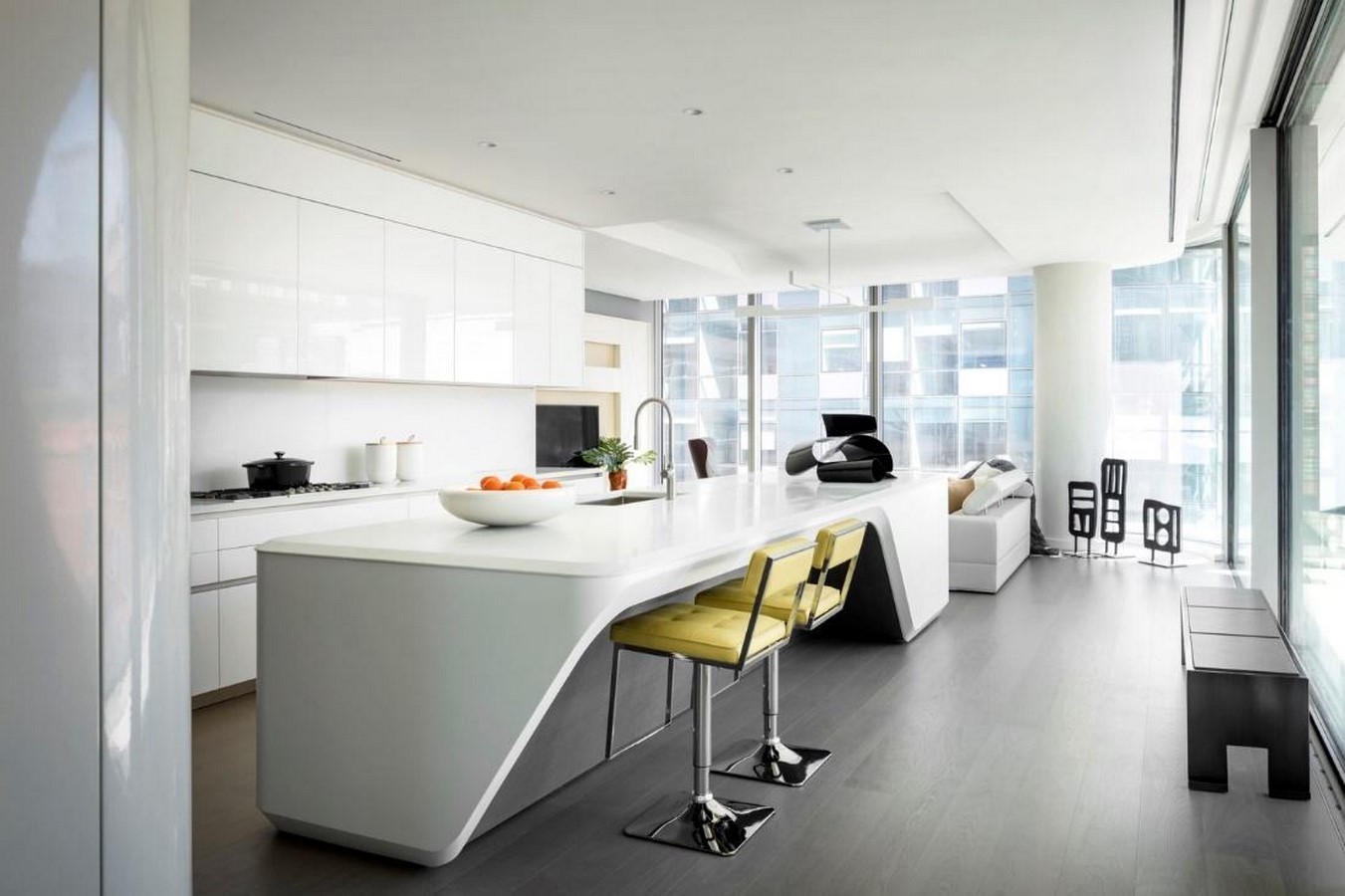
Architecture not only affects the community on a high level but also on a more personal level, it can have the deepest impact on its denizens. The inclination of certain physical surroundings may be neutrally underpinned, evolutionarily motivated, and culturally modulated. Furthermore, individual, differences are likely to lead to diverging is likely to lead to departing experiences of the same space or building or room. While key factors, that architects need to pay attention to, include safety, social connectedness, ease of movement, and sensory stimulation; more real and clear measures encompass light, colours, art, ventilation, etc. For example, some principles of design consisting of balance, proportion, symmetry, and rhythm can initiate a sense of harmony. Colours, in different circumstances, have a very painless logic behind them, the warmer the colour is, the denser and compact space becomes. They can also induce feelings of comfort or stimulate interactions. Light count greatly on the function. A dim light suggests a bleak and cheerless space while a brilliant light defines a huge animated emergence. Natural light completely restores production and recovery. Everything from the layout of the place to the material finishes can hand out towards occupant’s health, mood, and fecundity. It’s been shown that people who perform in well-configured spaces get fewer health issues are more focused, and generally offer more profit to their company. Clean, boring buildings, large concrete landscapes and unimaginative spaces cause outrageous levels of stress. Designing buildings, as well as cities, to combat this, whether it be beautiful, amazing architecture, or simply a careful connection to nature, helps occupants to feel more stress-free, delighted and committed.
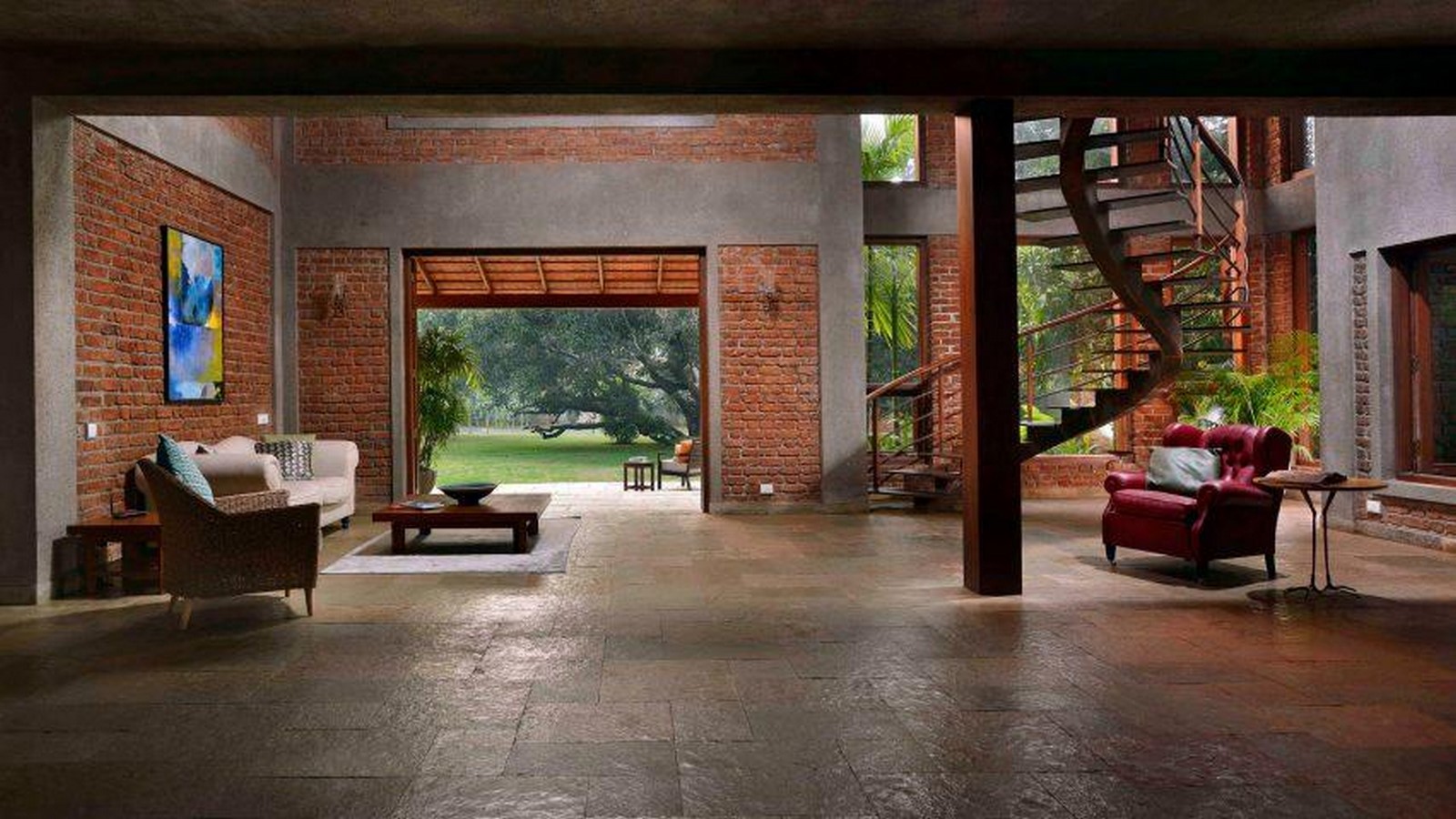
Well-sophisticated architecture and the connection individuals have to it is not something that’s easily put into numbers. However, we all know the perception of walking into a space that just feels right. It’s not only functional but also stirs up interest in you on a different, subconscious level. While designing for a function is extremely crucial, it’s important to open up into that emotional relationship also, as they both speak to the sense of feeling architecture. It’s not just a thinking-related understanding, but a connection between the user and space itself in a psychological way.
What occurs when we enter a space?
“WE SHAPE OUR BUILDING; THEREAFTER THEY SHAPE US.” – WINSTON CHURCHILL
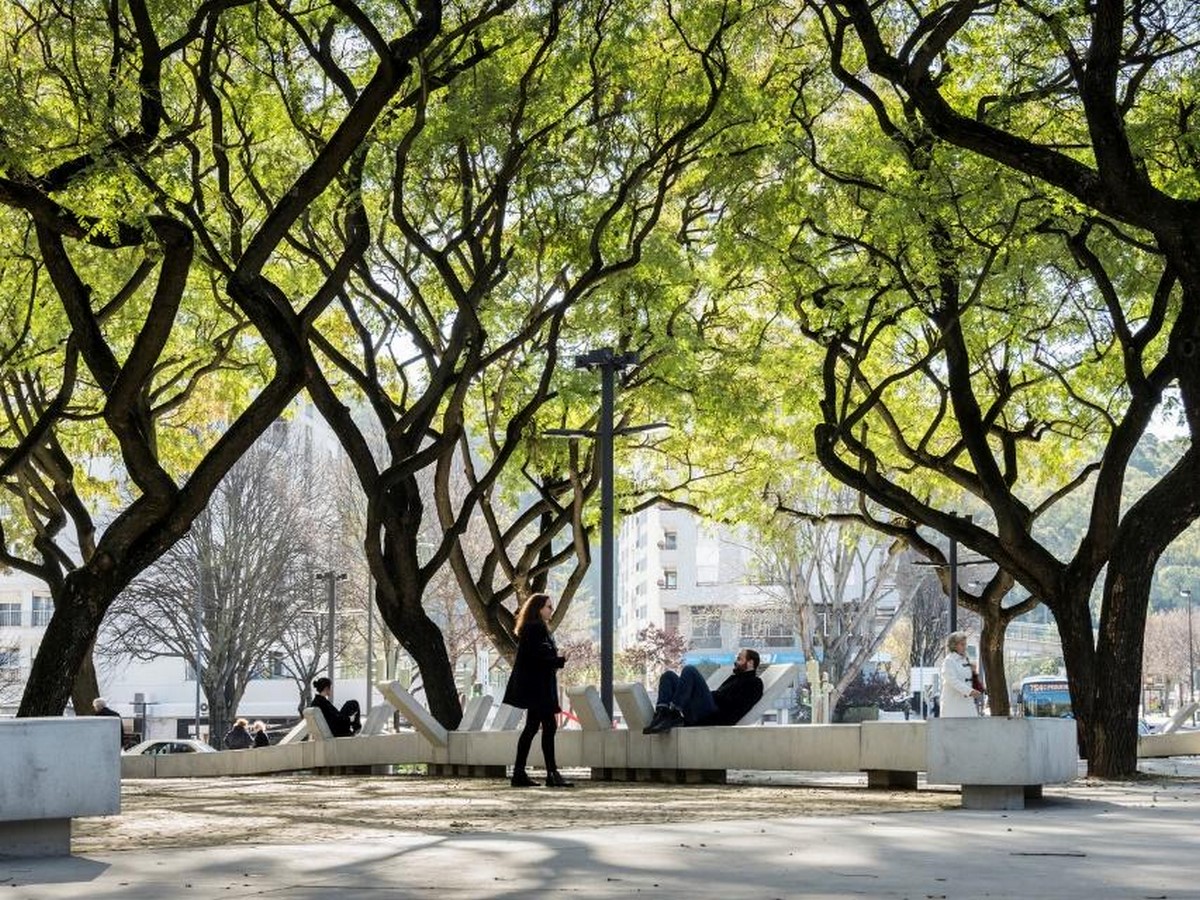
Designed abdominal spaces affect our lives by making them comfortable and serviceable, which is not the case with all the spaces in our residences otherwise. Furnishings and fixtures placement and configuring of spaces in buildings are done according to necessity and user preference, providing a configuration that creates aesthetic value and defines a set variation pattern. Residences today have become a reflection of the occupant’s personality and many investigations have started taking place in its spatial and internal space to create a home space that resonates with the owner’s individuality.
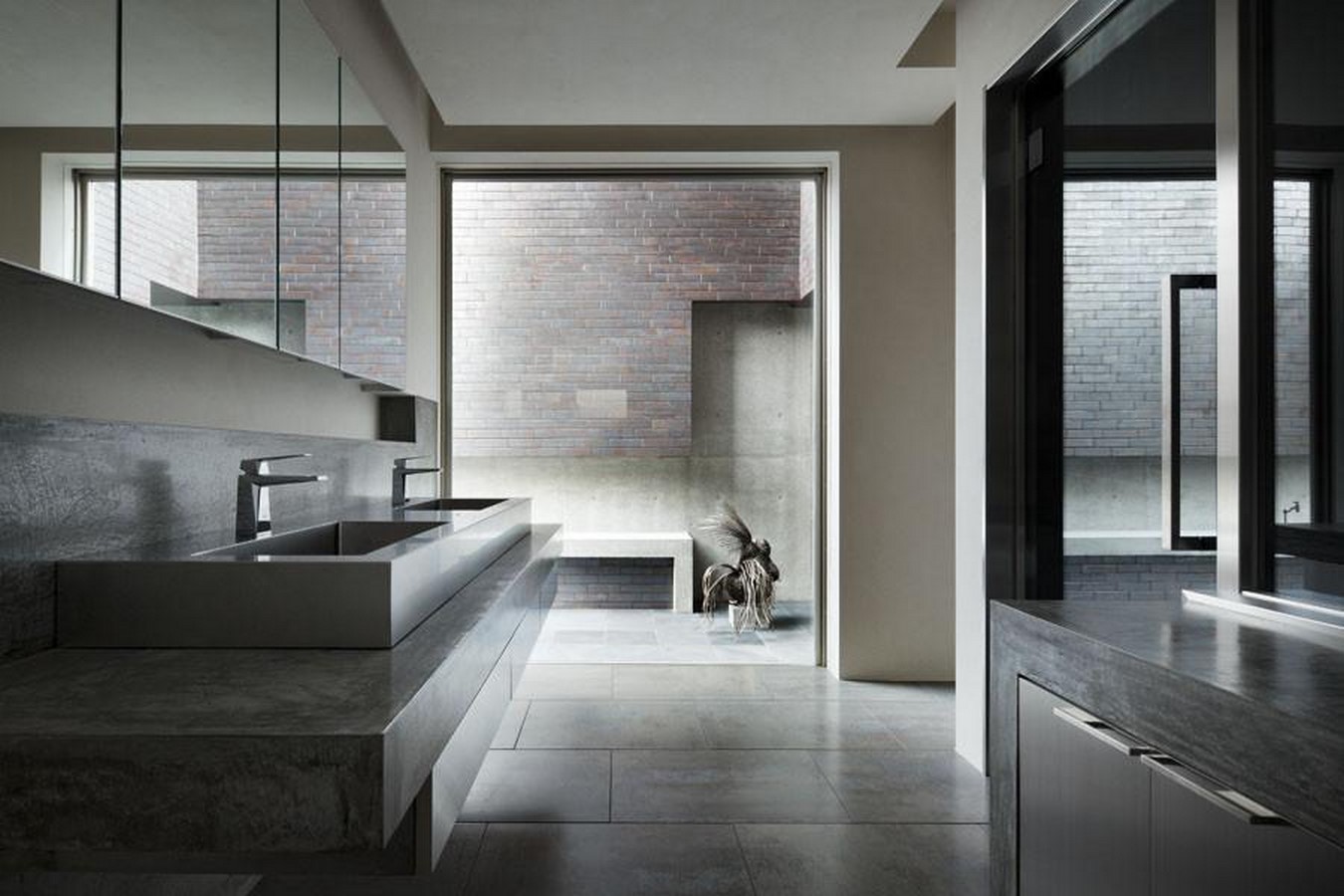
Consider the shades of the room, the finish on the surfaces, the intensity of illumination, the architecture of openness in the space, movement and circulation, and furnishings and fittings. Architecture matters in terms of how we differentiate spaces, the feeling it evokes and what makes the user passionate. Building the occupant’s well-being is of extreme importance for an architect. An unplanned space can have typical effects and shape how one reacts and feels in that space due to the various limitations of colour, textures, light, spatial arrangement, comfort and workability. For example, just like having a physical or visual affinity with nature or open spaces is a grandeur, a well-planned space is an equal grandeur in any typology- Residential, Hospitality, Commercial, Mixed-use, and Institutional.
Creating a sensual architecture does make a difference
“ARCHITECTURE IS THE WILL OF AN EPOCH TRANSLATED INTO SPACE.” – MIES VAN DER ROHE
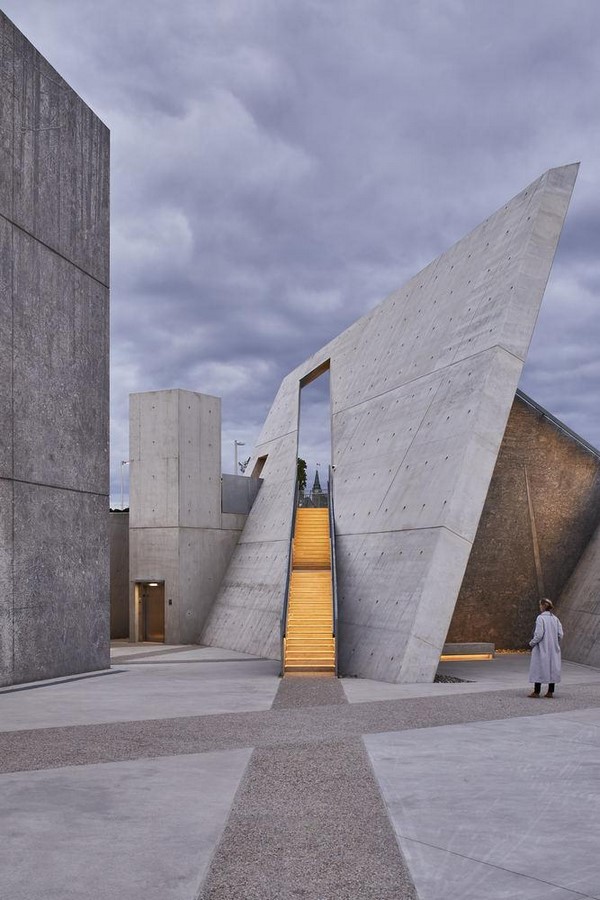
Brilliant design mirrors when spaces flow into one other while also fulfilling space development. As spaces are huge speculation, their nature and the creation of various incidents are critical tasks that a designer can peek into. An intelligent design is something that enhances space and its components. It is economical, captivating, comfortable, and has a feel-good element, filling our space with a sense of equity. In structures for people of all age groups, well-designed spaces are crucial for individuals to be able to feel and be innovative, which straightly links their mindset towards a contented and healthier life. An intelligent design supports a richer lifestyle, which does not mandatorily have to be big, bold changes that quietly uplift a functional territory. The earliest impression of a space is spontaneous, but designing a true sense of space goes intense than that. Architects or designers consider the first notions and then delve deeper to deliver the unexpected. They always wanted to create multiple touchpoints throughout a space, that reveals themselves as we go through the building and goes beyond that initial impression.
Different typologies of the building have distinct goals for the type of space they want to create. In workspaces, it might be about what desirable functionalities are offered to employees, in expansion to being a comfortable space to perform. Colours and brand integration are potentially crucial for creating a sense of identity, and the way designers handle that can be modulated and greatly impactful. In medical management, individuals are there for a variety of causes and quite frequently it can be a stressful time. The best healthcare knows how they counter and how the building is designed can highly impact the patient and visitor’s improvement and experience. A well-designed space creates a feeling of wellbeing and positivity. Thoughtful design has redefined the whole medical management. Organized spaces are uplifting that create a peaceful environment to think, perform and communicate. As designers or observers, take a halt and think about what the spaces around us are trying to conduct. It is important to understand how spaces respond to ongoing lifestyle vogue and changes. Organized spaces create a comfortable environment for the complete well-being of individuals.
Online education and future of architecture
“AS AN ARCHITECT, YOU DESIGN FOR THE PRESENT WITH AN AWARENESS OF THE PAST FOR A FUTURE WHICH IS ESSENTIALLY UNKNOWN”. – NORMAN FOSTER
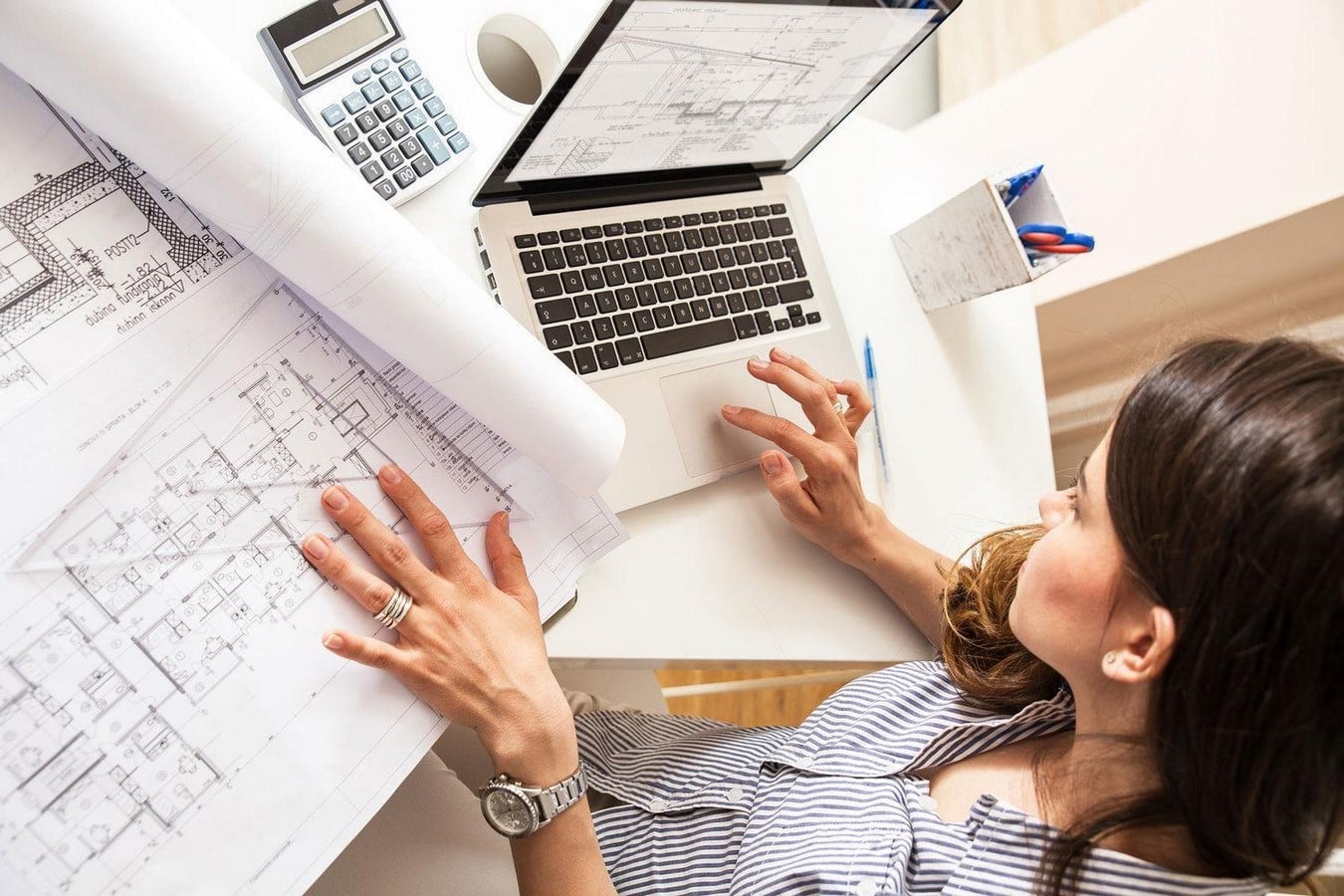
Architectural education has always been more practical than theoretical. There is always the need to visit sites, count their surroundings and supervise constructions to study materials sourced, textures, and colours chosen, products created. Architects are resource providers where they work intending to build something substantial, something which they can envision. This pandemic never made architects stop working but it just changed the way they approach the work. This whereas needs the schools to rethink and redo their curriculums and methods of learning. Maybe the current circumstances of online education will finally lead to that final change from senseless and beautiful design briefs to architecture that can make a difference. Architecture as a field encourages and grows and does well on teamwork. Buildings are not just built by the efforts of the architect alone but also there are people involved with equal importance, from construction managers to site supervisors to technical consultants, there are unlimited people involved in the construction of any structure. The architecture schools always aim to prepare students for working in the environment while simultaneously ensuring that they learn the value of team effort and adjustment through groups projects regularly.
Students and teachers alike have been distressingly distant to accept online and long-distance learning in their daily lives. But there is a lot that architecture students have to learn in online education to adapt to. Thankfully, architecture has always been a field that has changed and gotten better quickly. From ever-changing technology to the latest popular things, they are used to expecting the unexpected. If anyone can get used to this strange, new world we find ourselves living in, it is architects. The responsibility of designing cities and structures that are better able to change to fit such pandemics falls squarely on the shoulders of architects and city planners. The way of our living needs to change and architects are among those who can guide us through the process.
“ARCHITECTURE IS HOW THE PERSON PLACES HERSELF IN THE SPACE. FASHION IS ABOUT HOW YOU PLACE THE OBJECT ON THE PERSON”. – ZAHA HADID
Just because there are enough examples of when architecture doesn’t astonishingly make the Earth a better place, it doesn’t mean that it does not and cannot impact people. US author Charles Montgomery outlines this in his book Happy City: Transforming Our Lives Through Urban Design. Environments can unsurprisingly impact moods; it just takes a little more accuracy than previously thought. The resurrection of the belief that architecture can alter behaviour has been well logged by journals such as World Health Design, HERD, and Environment Behaviour. And while most of the focus has been on hospitals and medical management, where the influence of architecture can have real life or death results, the effect of structural designs is still seen elsewhere. Without diversity and stimulation, the human mind gets upset and is reminded just how far out of its home it is. Boring and common architecture could cause a society real destruction. On contrary, a research paper by Murray Krelstein, MD in the Psychiatric Times named, ‘Have You Ever Felt Awe and Wonder?’ has suggested that lowers the prevalence and extremity of mood disorders. Pointing that beautiful and inspiring architecture has the potential to create a calmer, and comfortable environment. So, while there is still no absolute answer to how architecture can impact our lives, it is still widely understood and believed that architecture will always provide beyond simply a functional purpose.
References:
- In-text citations
David Canter. (1974). Psychology of Architects (Architectural science series). Elsevier science ltd.
Juhani Pallasmaa. (1996). The Eye of the Skin: Architecture and the Senses. 3rd edition. New Jersey: Wiley
- A reference lists
https://www.bbc.com/future/article/20170605-the-psychology-behind-your-citys-design;
https://hmcarchitects.com/news/public-health-resilience-and-the-built-environment/;
https://hmcarchitects.com/news/pandemic-anxiety-and-the-desocialized-college-student/;
https://www.archdaily.com/943008/the-pandemic-changed-everything-or-so-we-thought;