Architecture History is famously known to put even the most diligent of students to sleep with its theory-ridden chapters and unceasing facts and figures one might never know when to apply. Students dread this class every day of the week and scramble to find the last benches to find a clandestine seat and drift into a much-needed nap.
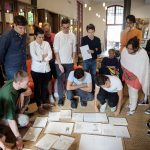
Our Palaeolithic, Mesolithic and Neolithic architecture class was no different. We were all fresh-faced 1st-year students with grit to make it through. However, every class was a block period. Back to back history is too much history even for the biggest ancient architecture buffs. As the first period rolled by, energy levels started to drop and even our class professor took notice. Our professor was a dynamic bold woman, admired by students and her colleagues alike. She always had our best interests at heart and made us work with spunk while making the experience enjoyable. As she noticed the morale of the room dropping, she gave us a break and hurried out of class. Everyone made the most of the 30 seconds of freedom with unanimous sighs and cracking of knuckles. As she entered the room, like a flip of a switch the class quietened as we anticipated the looming doom that was to commence any second now. Instead, my professor with a smug smile divided us into teams and briefed us with the enthralling mission I’ve ever heard.
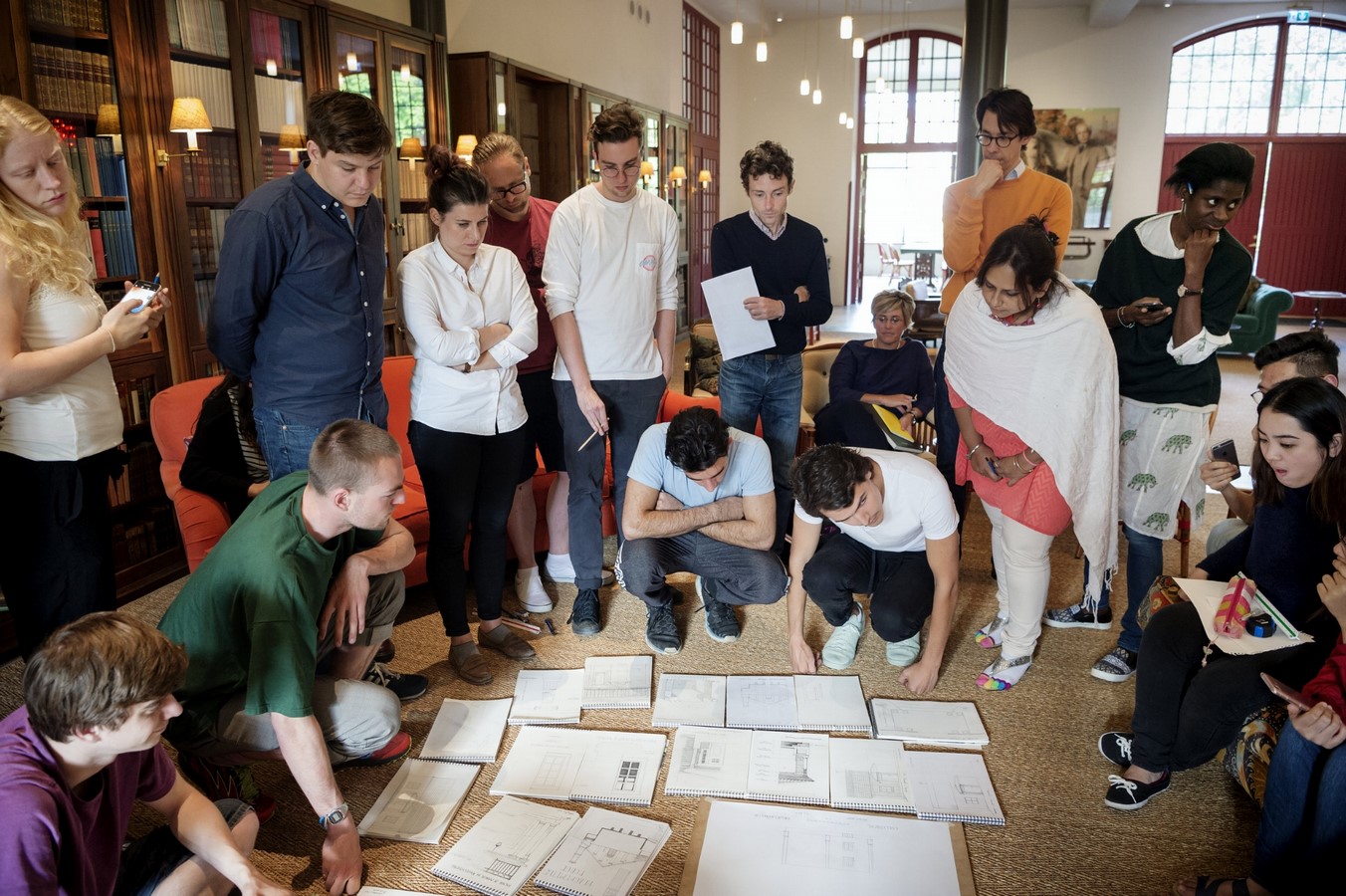
“Transport yourself to the Prehistoric times and imagine you need to build for survival. The only materials available are those that are present around you in nature. You cannot use anything that is remotely man-made. In the next history class, we’ll test your structures against forces of nature – wind, and animals. May the best team win.”, she said with a gleam in her eyes. I looked at my classmates and they had the same look of disbelief I’m sure I was carrying. This was what we came to Architecture school for. Adventures, experimentation and unpredictability. We set off onto our campus scavenging for any scraps we could find and fashion into a structure. As we descended onto the ground floor, we metaphorically also questioned the basic meaning of a structure. We broke it down to two columns and a beam. Now came the hard part, finding these things to build it.
Our campus spans over 7,000 sq. meters with lawns and recreational parks stretching over a majority of the grounds. We bid farewell to the other teams, exchanged a few competitive words back and forth, and set onto our paths. It was a tough ask. It forced us to observe and take notice of our surroundings and the rudimentary campus we had been walking past the last one month. 5 minutes into the task, and we had already comprehended a life lesson. The corner with the serendipitous tree and the patch of green between all the concrete encouraged us to “stop and smell the roses” more often. The hour slipped through our fingers faster than we anticipated. “Why doesn’t the clock run like this in class?”, we exasperated as we made our way back to class with our findings. The rest of the week was buzzing with anticipation as everyday students brought the most bizarre things to class. From larger than life tree branches, bags of gravel to even the fur of an animal (it was a mat), the room had seen it all. The week also introduced us to a healthy competitive nature, with everyone slinging friendly warfare. We stayed back almost every day that week fixated on this grueling project. The Palaeolithic man would’ve probably been devoured by animals or died of pneumonia, but we were determined to make the most use of the time we had.
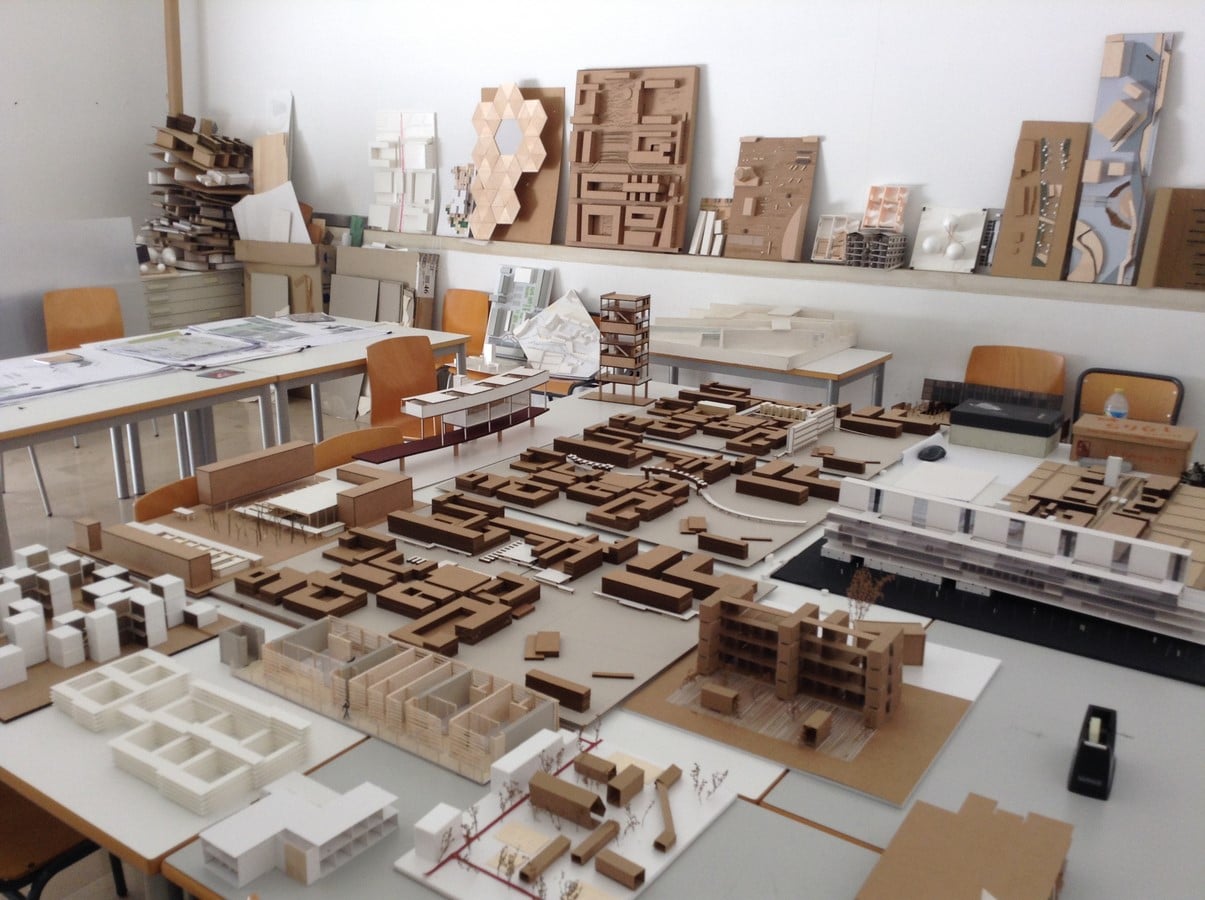
As the next history class rolled around, we all stood next to our life like structures like proud parents of their prodigal child. Our professor walked into the room with a table fan and watercan thoroughly amuse, spotting the fear in our eyes. All of our structures, though wildly different, consisted of the same basic components- two columns and a beam that supported the roof. One by one each structure was put to the test. It went through 4 basic requirements – Could it withstand wind, rain, animal attacks, and was it comfortable? The wind was created by the table fan on its highest setting, the rain was mimicked by emptying a watercan on the roof and making sure the occupants of the structure were comfortable and dry. The animal attack was comically emulated by a volunteer from class who clawed his way around the structure. That class was in shreds at the sight of it.
After each round, the structures were dropping like dominos. There were only two teams left for the all-important rainfall. After moving the structure to a more appropriate location, an entire watercan was dumped on each structure with the teammates inside it with their fingers crossed. As it would happen, both teams failed and emerged from their cocoons dripping wet. Nobody technically won the competition, but we sure felt that this week had been the highlight of our short architecture course. It brought us closer to each other and we learned that architecture works best when you walk a mile in the users’ shoes. Even though the experience didn’t conclude perfectly, what a story we had! It is safe to say the entire class bragged about this experience to everyone they met in the upcoming weeks. Just like I’m bragging right now!