Being from a creative field allows you to look at the world a little differently. The way you perceive things, spaces, people, and life changes. You start looking at everything from more than one perspective. Two people might not have a similar approach towards the same thing, which gives each person a unique and personalised perception of everything.

For example, as a space designer or an architect, one might not see a barren patch of land as mere land. They would probably have thought of and conceptualised many ways to give it functionality and a strong meaning. Very often, a generic-looking building that can easily pass off as a mere structure may give out some very creative concepts. With this as a reference, a typical day in the life of a space designer/architect may look like this.
Morning | Changed Perspective
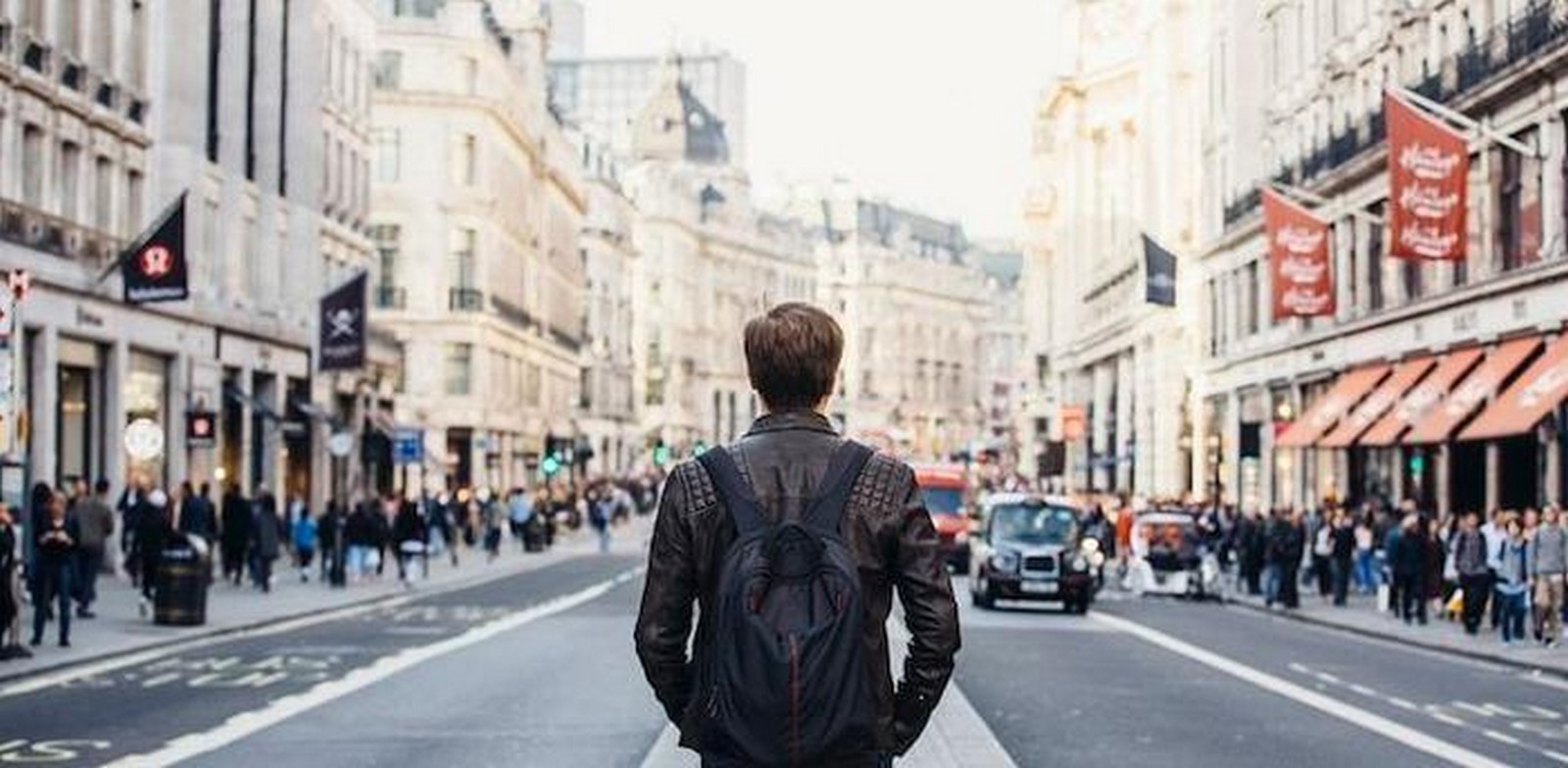
The funny part about mornings in this field is that one may never know when the sun is up again as they might be pulling up an all-nighter. Waking up, one may sometimes realise how their subjects of interest have started affecting their dream. They start seeing fascinating spaces, crazy structures, irrational buildings and other improbable elements.
For a working individual, the road or the travel to their workplace may provide a huge opportunity to look around, observe and understand the different typologies of spaces. One might want to take the opportunity to study their functionality with respect to time and people.
The following observations are made along the way. You see people jogging, which makes you take note of the functionality and design of that public space. You see high-rise apartments or commercial buildings and immediately think of the scale, the structure and how it stands all tall and proud. You might also want to understand the details of that cantilevered roof you see every day. You pass by a small temple and think of how that compact space holds the power to create such a positive and auspicious aura. You observe many such things all your way.
Afternoon and Evening
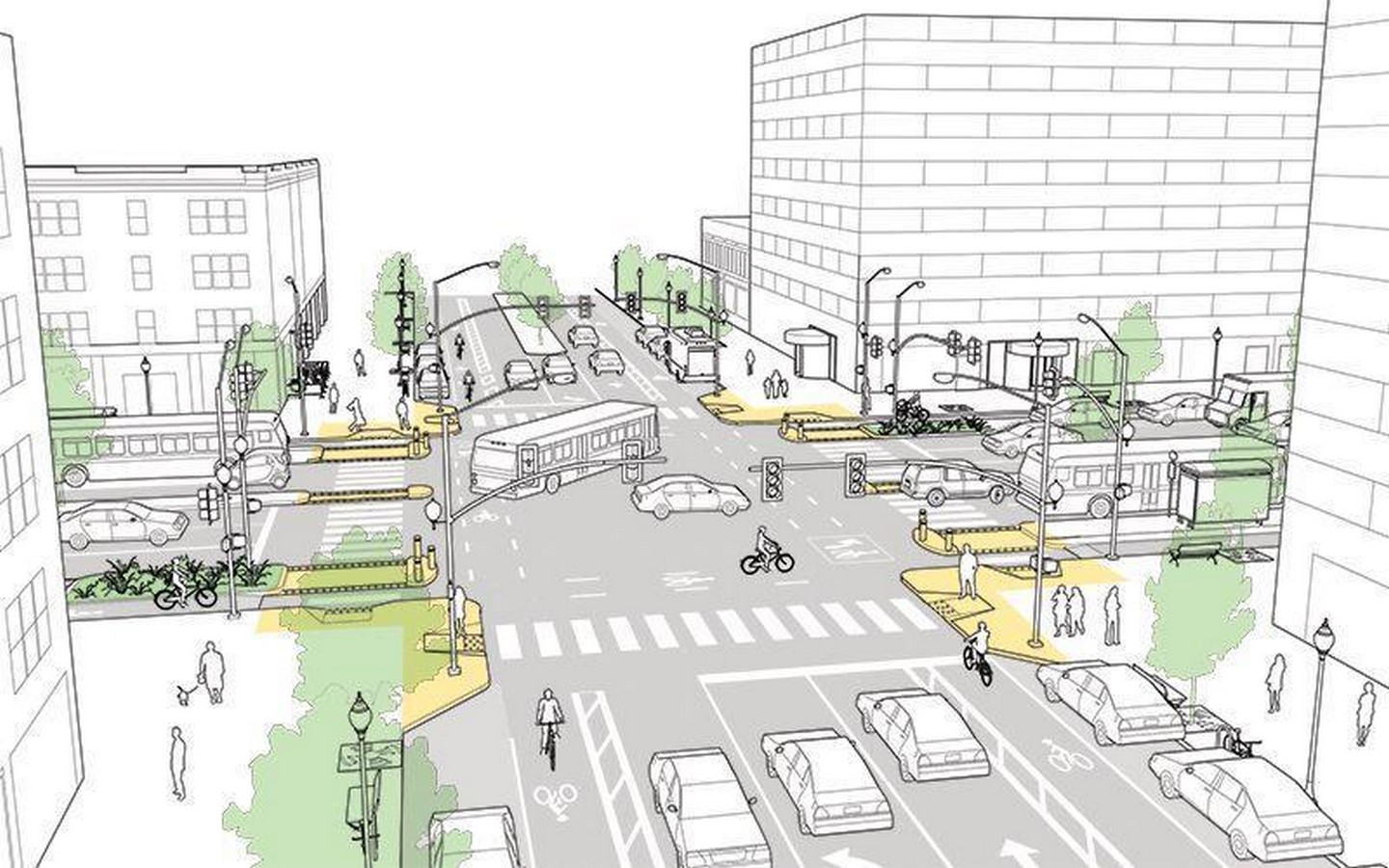
You might want to look outside the window to take a break while working. You start observing the crossroads and the way the traffic gets controlled to move around that central circle. You try to figure out the way a small cabin is designed for the traffic police. You see a building across the street and get fascinated by its facade. You want to know what the interiors of the space inside look like. You wonder what you would have done to make it different and how your design style would differ from the architect who designed it. You see a building on the other side and wonder about the small terrace gardens created every four floors. You think about the design of such a space and how efficient would it be to be able to serve the purpose of a breakout zone.
Your gaze suddenly moves towards the JCB machine digging out land next to you. You get curious about what that project could be. Could it be a high-rise commercial complex or a low retail centre? If the high rise would get constructed, how will it affect your view and the sunlight that gets in? You start conceptualising a building in your mind and think of various permutations and combinations to design that.
Night
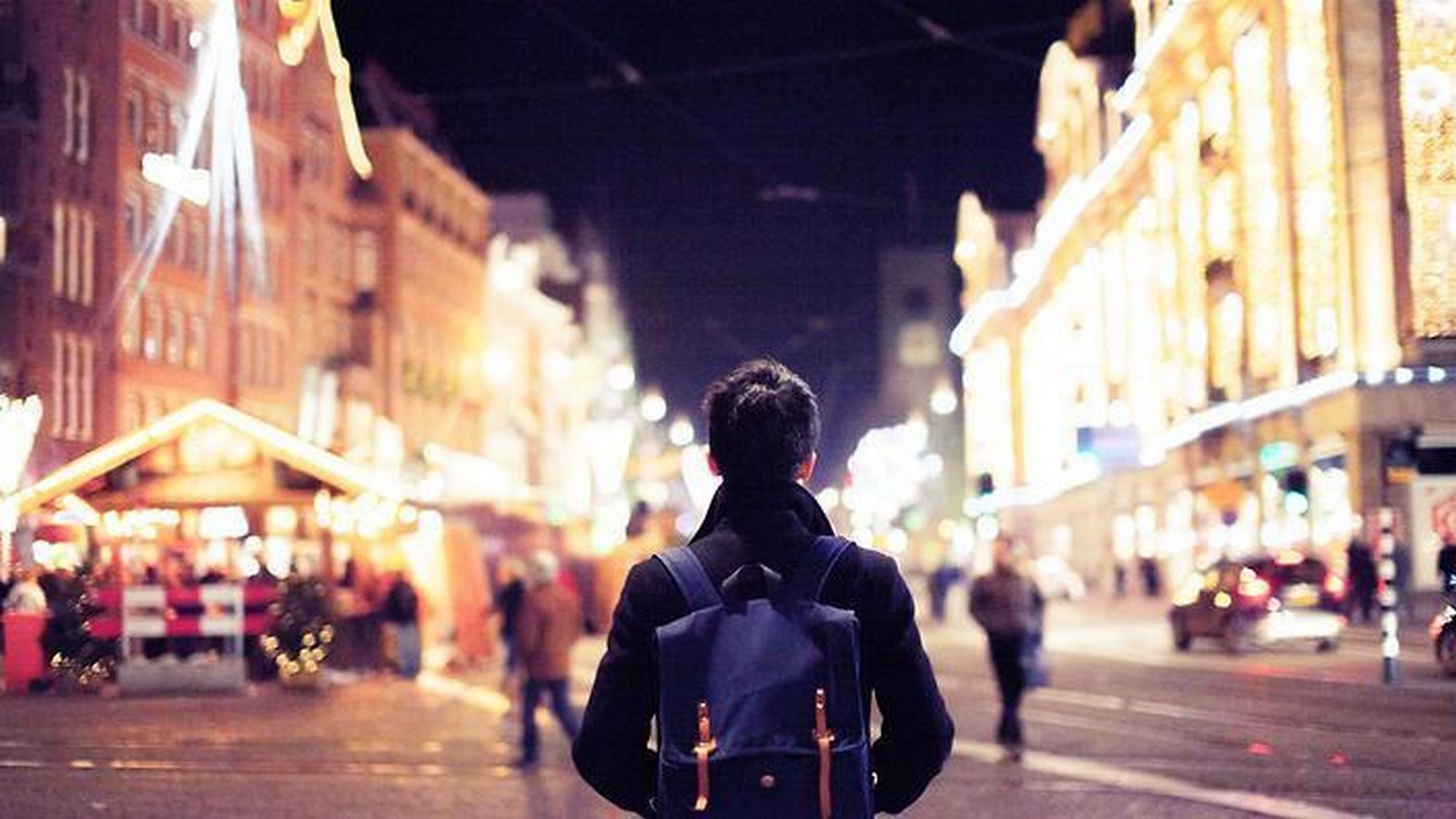
While on your way back home, the city has now entered the night mode. All the spaces around you are illuminated with lights. It starts catching your attention and you get fascinated by it. How the same space you saw in the morning has turned now makes you wonder about its multi-functionality.
The breakfast place from the morning has now turned into a quick fast food joint. The park where you saw people jogging is now populated with families with small children playing with balloons while running around. The facade of those tall commercial buildings appears even more fascinating to you as they change the lights. Some of the windows of those buildings reflect lights, while others are pitch dark. You see a lot of play of lights and materials.
Conclusion | Changed Perspective
This was just an example of how the daily perceptions of a person change when they start looking at the same routine things from a different perspective. The picnics that you had as a child have now turned into trips to do a case study. You want to study how that space was designed so that it became so intriguing and interesting for you as a child. The spaces around you start becoming stories that you start observing every little detail of.
The meaning of the spaces around you changes as they might not be just an experience for you but also a study reference. You might want to learn and add to your pool of knowledge the positive aspects of a space and try to get solutions for the ones that either don’t work or have a negative impact on the space. Everything around you starts becoming a very wholesome learning experience.