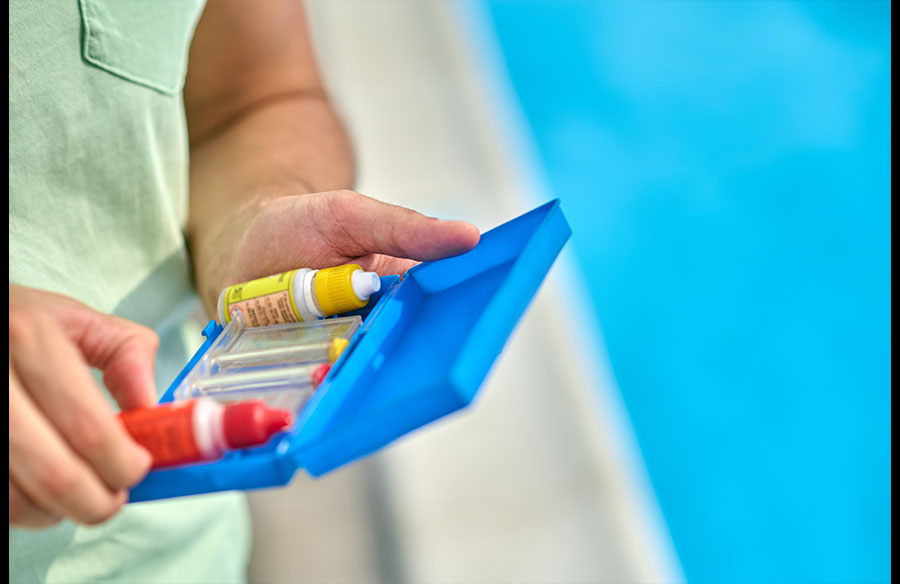
A sparkling backyard pool depends on far more than filters and weekly skimming. The chemicals that sanitize, balance, and clarify the water deserve the same careful attention owners give the pool itself. When chlorine, muriatic acid, and algaecides are stored carelessly, they can trigger dangerous reactions, lose potency, and leave swimmers exposed to contaminated water. Homeowners who treat storage as a priority end up protecting their families, their equipment, and their long-term investment in backyard recreation.
The Hidden Risks of Careless Chemical Storage
Pool chemicals may look harmless sitting on a garage shelf, yet many fall into categories like oxidizers, corrosives, and highly reactive compounds. Chlorine tablets, as one example, release toxic gas the moment they meet moisture or an incompatible substance. CDC data shows that pool chemical incidents send roughly 4,500 people to U.S. emergency rooms every year.
Heat only compounds the danger. A garage in Memphis can climb past 110°F on summer afternoons, speeding up chemical breakdown. Calcium hypochlorite starts degrading above 95°F, losing strength and raising the likelihood of spontaneous combustion. A trusted pool chemical store in Memphis can point buyers toward formulations rated for regional heat and containers built to handle Southern summers. Working with a knowledgeable local supplier also means fresh inventory, clear labeling, and staff who genuinely understand safe handling.
Even small oversights add up. Stacking chlorine above acid, dipping damp scoops into tubs, or leaving lids half-closed can produce fumes, stains, or fires that damage property well beyond the pool deck.
Why Clean Storage Equals Clean Water
Water quality starts with the purity of what goes into it. Contaminated or expired products deliver inconsistent results, forcing owners to dose more often while still fighting cloudy water, stubborn algae, and a pH that refuses to settle.
Moisture Is the Silent Enemy
Humidity causes granular chlorine to clump together, trichlor tablets to crumble into dust, and metal containers to rust from the inside out. Rust flakes that drift into the pool stain plaster and put unnecessary strain on the filtration system. A dry, sealed storage space preserves the product and the surfaces around it.
Light and Air Degrade Performance
Ultraviolet rays weaken chlorine, while oxygen exposure slowly drains the strength of shock treatments and stabilizers. Sealed, opaque containers kept in shaded spaces hold active ingredients steady for months, giving the pump predictable chemistry every time it runs.
Best Practices Every Pool Owner Should Follow
Safe storage isn’t complicated, but it does ask for discipline. A consistent routine prevents accidents and keeps chemicals working the way the label promises throughout the swim season.
- Separate Incompatible Products
Chlorine and acid should never share a shelf. Place oxidizers on one side of the storage area and acids on the opposite side, ideally with a physical barrier in between. This single habit prevents the majority of serious reactions. - Use Original Containers
Manufacturers build their packaging to withstand the specific chemical inside. Pouring chlorine into an old detergent jug can set off a reaction within hours. Keep every product in its labeled, factory-sealed container until it’s time to use it. - Control Temperature and Ventilation
Aim for storage below 85°F with steady airflow. A vented shed or climate-controlled closet outperforms a sealed garage every time. Good ventilation scatters trace fumes before they build up to unsafe levels. - Elevate and Organize
Pallets or sturdy shelves keep containers off damp concrete floors, where moisture creeps up fast. Label each shelf clearly so family members, pool technicians, and guests can identify contents in seconds during an emergency.
Protecting Equipment and Budget
Sloppy storage quietly drains wallets. Degraded chlorine may require double the typical dose to sanitize a standard 20,000-gallon pool, doubling what homeowners spend through the season. Corroded containers can leak onto concrete, etching permanent marks into driveways and patios.
Properly stored chemicals also stretch the life of expensive equipment. Stable pH and sanitizer levels reduce wear on pumps, heaters, and vinyl liners. Replacing a pool heater can run $2,000 or more, making careful storage a sound financial decision on top of a safety one.
Preparing for Emergencies
Every pool owner should keep a spill kit within arm’s reach. Basic supplies include absorbent clay, chemical-resistant gloves, safety goggles, and a dust mask rated for acid vapors. Posting the poison control number (1-800-222-1222) on the inside of the storage door gives household members fast access to expert guidance the moment an accident happens.
Children and pets need extra thought too. A locked cabinet or a dedicated shed keeps curious hands and paws away from hazardous materials year-round.
Conclusion
Safe, sparkling pool water starts long before the first scoop of shock hits the surface. Thoughtful chemical storage shields swimmers from dangerous reactions, preserves the strength of costly products, and keeps decks, liners, and equipment safe from preventable damage. By separating incompatible items, managing temperature, and investing in quality containers, pool owners turn a routine chore into reliable insurance. Clean storage is the quiet foundation beneath every summer memory made in the water.