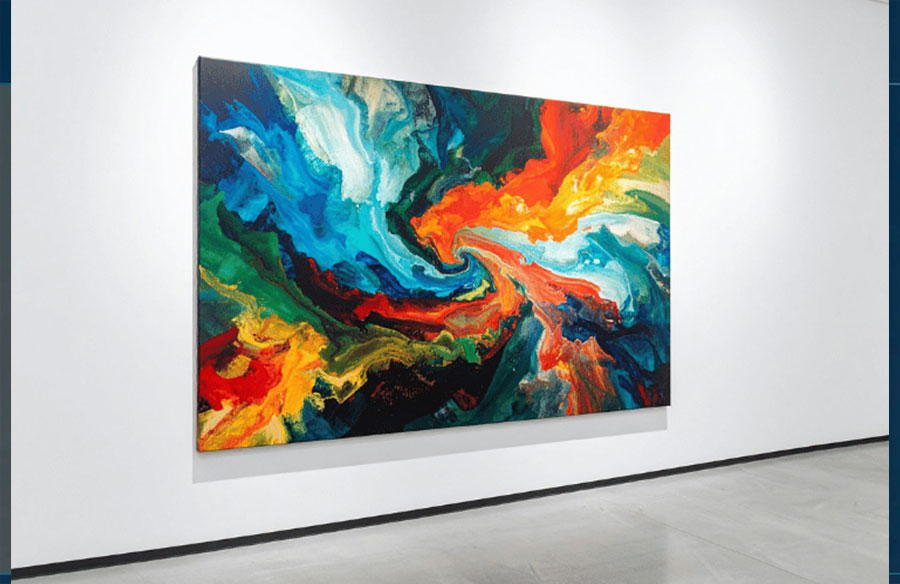
Modern interior design has shifted dramatically over the past decade. Clean lines, open layouts, and neutral palettes have become common features in contemporary homes. While these design choices create calm and uncluttered spaces, they can sometimes feel unfinished or impersonal without a focal point.
That’s where large-scale artwork comes in. Oversized wall art has become one of the most popular ways to add personality, depth, and visual interest to modern interiors. Instead of filling walls with many small decorative items, designers increasingly prefer one bold piece that commands attention and anchors the room.
This approach is changing how homeowners decorate their living rooms, bedrooms, offices, and even hallways. Large art pieces don’t simply decorate a space; they shape the mood, direct the eye, and help define the overall character of a room.
The Shift Toward Minimalist Interiors
Many contemporary homes lean toward minimalism. Neutral colors, simple furniture, and uncluttered surfaces help create a calm environment. However, minimalism doesn’t mean empty walls or sterile spaces.
In fact, minimal interiors often rely on a single striking feature to bring the room to life. A large artwork can perform that role beautifully.
Rather than using multiple small décor items that compete for attention, a single large piece can:
- Provide a visual focal point
- Add contrast to neutral color schemes
- Introduce texture or movement
- Reflect the homeowner’s personal taste
This strategy keeps the room balanced. The surrounding elements remain clean and understated while the artwork gives the space personality.
Interior designers frequently rely on oversized art in minimalist spaces because it creates impact without clutter.
Large Art Creates an Immediate Focal Point
Every well-designed room benefits from a clear focal point. Without one, the space can feel scattered or visually confusing.
Large wall art naturally solves this issue.
When guests enter a room, their eyes are immediately drawn toward a bold piece of artwork. This establishes a visual anchor that organizes the rest of the design elements around it. Furniture placement, lighting, and color accents can all complement the art.
For example, a large abstract painting above a sofa can guide the arrangement of pillows, rugs, and nearby décor. A striking canvas in a dining room can define the atmosphere for the entire space.
The key advantage of oversized art is scale. Smaller framed prints often disappear on large walls, particularly in homes with high ceilings or open-plan layouts. Larger pieces fill the visual space and maintain proper proportion with the room.
Why Designers Prefer Oversized Wall Art Today
Interior designers frequently recommend oversized artwork because it simplifies the decorating process while delivering a strong visual impact.
Large art pieces allow homeowners to make a clear design decision rather than assembling multiple small decorations that may or may not work together.
Several factors have contributed to this growing preference:
1. Open Floor Plans
Modern homes often feature expansive living areas where kitchens, dining spaces, and living rooms flow together. Large art helps define individual zones within these open layouts.
2. Higher Ceilings
Many newer homes include taller ceilings, which naturally call for larger wall décor to maintain visual balance.
3. Cleaner Design Aesthetics
Large artwork supports a streamlined interior style. One prominent piece can replace several smaller decorative objects.
4. Personal Expression
A bold art piece can reflect personality, interests, or creative taste in a way that smaller decorative elements often cannot.
Choosing the Right Oversized Art for Your Space
Selecting a large artwork requires careful consideration. Because the piece will dominate the wall, it should complement the surrounding design rather than clash with it.
Homeowners exploring large-format wall décor often browse curated collections from specialized art providers. For example, many people look through selections available at thegoatwallart.com to find artwork sized specifically for larger wall spaces in contemporary homes.
When choosing oversized art, several factors matter.
Size and Proportion
The artwork should feel balanced relative to the wall and nearby furniture.
A general guideline:
- Above a sofa: artwork should span roughly two-thirds of the sofa width
- Above a bed: the art should align with the width of the headboard
- On large blank walls: extra-large pieces can fill the space without needing additional décor
Color Palette
The colors within the artwork should either complement the room or provide a thoughtful contrast. Neutral rooms often benefit from art that introduces deeper tones or subtle color variation.
Style Compatibility
Different styles create different moods:
- Abstract art adds energy and movement
- Black-and-white photography creates sophistication
- Textured or layered artwork introduces depth
Choosing the right style helps reinforce the atmosphere you want in the room.
How Large Art Changes the Feel of a Room
Beyond decoration, oversized artwork influences how a space feels emotionally and visually.
Large pieces can transform the mood of a room in several ways.
Creating Depth
Artwork with layered textures or bold composition can add depth to flat walls, making the room feel more dynamic.
Adding Drama
A striking canvas in a neutral room introduces contrast and interest without adding clutter.
Guiding Movement
Art placed along entryways or hallways subtly guides how people move through the space.
Anchoring Furniture
Large artwork placed above furniture groups visually connects the pieces below it, helping the layout feel intentional.
When used thoughtfully, a single oversized piece can accomplish what multiple smaller decorations struggle to achieve.
Practical Tips for Displaying Oversized Art
Once you’ve selected a piece, proper placement makes all the difference. Even the best artwork can lose impact if hung incorrectly.
Interior designers often recommend these simple guidelines:
- Hang the center of the artwork at eye level whenever possible
- Leave consistent spacing between the artwork and furniture below it
- Use proper mounting hardware designed for heavier frames
- Consider lighting to highlight the artwork at night
In some cases, leaning a large framed piece against the wall instead of hanging it can create a relaxed, gallery-inspired look.
Why This Trend Is Likely to Stay
The popularity of oversized wall art reflects broader shifts in interior design. Homes are becoming more open, more personal, and more focused on intentional design choices.
Instead of filling walls with many decorative objects, homeowners increasingly prefer fewer pieces that carry a stronger visual presence. Large artwork aligns perfectly with this mindset.
It works across many styles, from minimalist apartments to contemporary houses and even transitional interiors that mix modern and classic elements.
As people continue to view their homes as both living spaces and personal creative environments, bold art will remain an appealing way to shape the atmosphere of a room.
Conclusion
Large-scale wall art has become one of the most influential elements in modern interior design. It provides a focal point, enhances minimalist spaces, and adds personality without cluttering the room.
Rather than scattering small décor items across walls, many homeowners now rely on one thoughtfully chosen artwork to anchor the entire space. When sized and placed correctly, oversized art can define the mood of a room while complementing its architecture and furnishings.
For anyone looking to refresh their interior design, investing in a large art piece is often one of the most effective ways to transform a space. A single canvas can introduce color, structure, and character, turning an empty wall into the defining feature of the room.