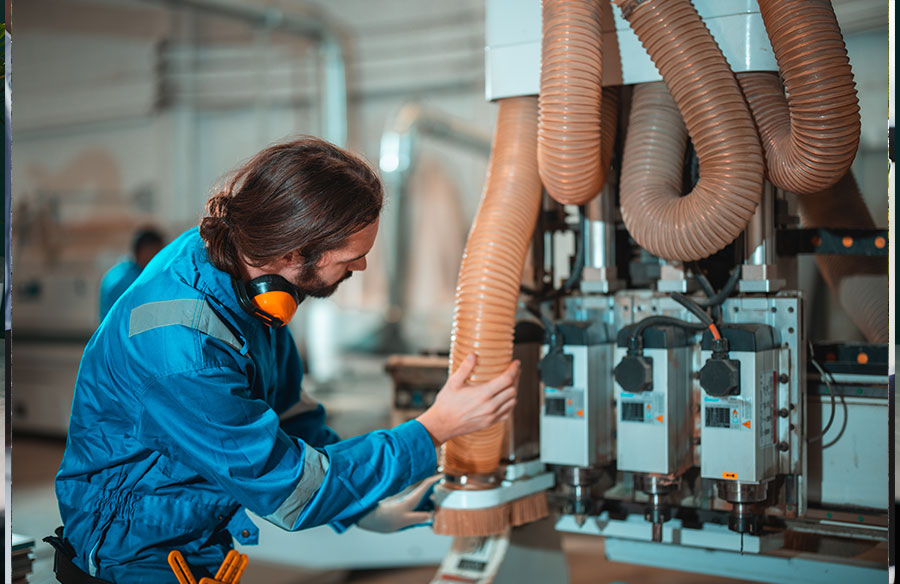
Fume extraction systems should be well-maintained and regularly serviced to help manufacturers keep the environment safer and performing optimally. This kind of scheduled service should ensure that problems that could affect your operation or the safety of the people who work in your facility are avoided. When we neglect this essential maintenance, we end up with breakdowns, greater repair costs, and even pose a health hazard to our employees.
Health and Safety Benefits
Regular maintenance of a fume extraction system safeguards employees by eliminating airborne contaminants. When those filters and fans function as intended, the air quality throughout the workspace remains elevated. Clean air gives rise to fewer respiratory diseases and allergic reactions, and everyone can go about their work without fear. Frequent inspections will also reduce the risk of duct or filter fires that can arise from dust accumulation.
Protecting Equipment Longevity
Regular maintenance prolongs the life of extraction units. Mechanical components that are cleaned and inspected regularly are subject to less strain. Fans and motors amplify exertion due to dirty filters or blocked ductwork, which translates to extra wear and tear for equipment. By avoiding these stresses, preventive care directly limits both the number of costly replacements and the unscheduled downtime that they can cause.
Maintaining Optimal Performance
Systems that are well-maintained are more efficient at capturing fumes and dust. Hazardous air can leak into the workspace when filters become clogged or seals degrade. These issues are caught early on during routine inspections, which ensures that a unit can perform its best and serve you for longer. An efficient system regulates energy consumption and minimizes cost.
Cost Savings Over Time
Regular maintenance ensures that repair costs remain low. Identifying problems early on prevents them from developing into larger and more costly failures. If a fume extraction unit breaks down suddenly, it can cause industrial radiation, result in chaos, and incur unexpected costs. A little bit of attention regularly also saves resources in the long run and brings peace of mind.
Regulatory Compliance
Health and environmental considerations apply to manufacturing facilities. Documented inspections and maintenance show an adherence to workplace safety requirements. This serves as proof of the necessary maintenance of the systems, in case of audits by authorities. Keeping up with its required servicing also ensures that penalties or forced shutdowns are avoided, allowing for a smooth operation.
Reducing Production Downtime
Unforeseen equipment failure can put production at a stop for days or even hours. These disruptions can be avoided with regular inspections and cleaning. This also means that minor issues like worn belts or blocked filters get addressed before they bring the system to a halt. The lesser the time it takes to perform work, the greater the yield output, along with reliability in delivery schedules.
Employee Confidence and Morale
Having a clean, organized setting promotes productivity among your employees as they feel safe. When employees breathe fresh air and use functioning equipment, they feel more comfortable that their employer cares about their safety. Such trust augments morale and productivity, and encourages workers to produce better outputs.
Environmental Responsibility
High-efficiency extraction units minimize pollutant emissions into the environment. Maintaining them properly helps filters and containment systems work efficiently to preserve the indoor and outdoor environment. Responsible care adds to sustainability attempts and shows commitment toward lessening the human and environmental effects.
Signs Maintenance Is Needed
There are warning signs that you really need to pay quick attention to. Things like strange sounds, strong smells, lack of air, and dust building up near vents must be noted. These are the kinds of things that are checked during scheduled inspections; catching them before they become bigger problems really helps.
Best Practices for Maintenance
A routine servicing schedule will ensure that extraction units are in peak performance. Things like filter changes, fan checks, duct cleaning, and seals should all be included in this schedule. Also, an emphasis on the ability of staff to identify early warning signs is a component of a reliable system. Detailed records of inspections/repairs assist in future planning of the maintenance.
Conclusion
Proper and regular maintenance of fume extraction systems helps to avoid a range of problems, from health-related issues to expensive repairs. Proactive measures ensure a safer, more efficient environment for every person within the facility. A little upkeep on a regular basis prevents unexpected failures, keeps costs down, and assures the air is as good as it can get. Businesses that prioritize upkeep protect their employees and equipment, bolster their reputation, and increase the chances of long-term success.