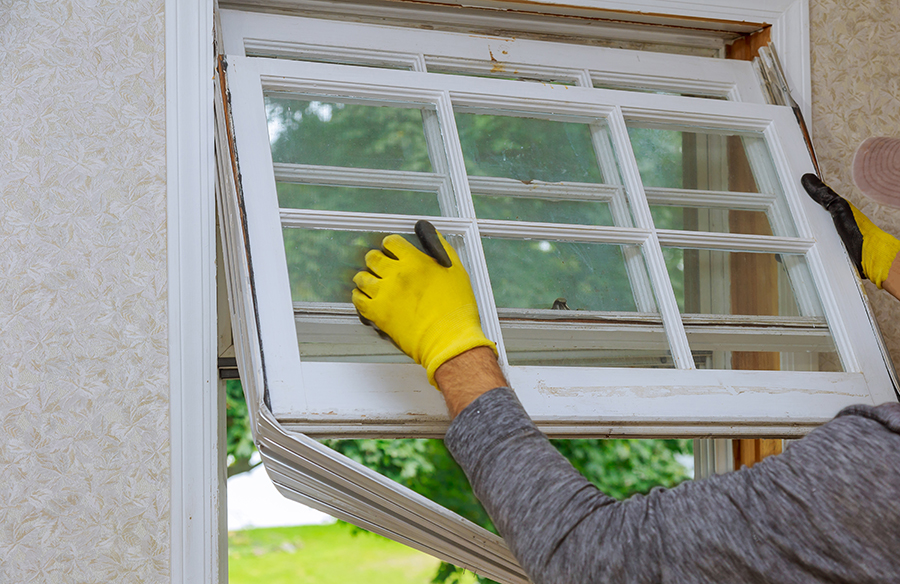
On architecture platforms, window replacement is often treated as a secondary move. Walls, roofs, and floor plans usually take center stage, while the glazed opening is often discussed later as a finishing choice or a budget line. That framing misses the real effect. A window changes the reading of the facade, the temperature at the edge of a room, the quality of daylight, and the way interior space feels through the seasons. That is why, in conversations around windows replacement Boise, Boise Custom Windows & Doors can be approached as more than a local service mention for Boise readers. Its replacement offering combines customizable wood, fiberglass, and vinyl systems with low-E glass, gas-filled multi-pane options, and trained installation for homes in Boise and the Treasure Valley.
The opening affects more than the opening
Across older Idaho homes, window replacement Boise usually enters the conversation when drafts, dated frames, or visible wear become hard to ignore. Yet the deeper issue sits at the envelope itself. A weak opening can pull attention away from an otherwise balanced room because the edge condition never feels resolved. The impact on architecture extends beyond energy efficiency alone, including the proximity of furniture placement to the exterior wall, the uniform distribution of daylight within a space, and the thermal comfort level of the interior surface of the wall during winter and summertime periods. The ENERGY STAR website explains that the replacement of old windows will result in savings for heating and cooling expenses, whereas the Department of Energy emphasizes that air infiltration and installation quality affect actual performance.
Daylight has to stay usable
The most interesting window discussions are rarely about the glass area alone.. More daylight does not automatically create a better room. A bright opening can still leave glare on work surfaces, faded finishes, and a hot perimeter that limits how the space is used. That is where glazing specification starts to matter. The Department of Energy states that low-E coatings help control heat transfer within insulated glazing and can reduce energy loss by as much as 30 percent to 50 percent. For an audience that follows renovation and design, that matters because good replacement work should preserve light while reducing the penalties that often come with older glass packages. It turns the window from a weak point into a better-calibrated part of the room.
Material changes expression and upkeep
The choice of materials is where replacing windows begins to become an architectural project rather than merely a transactional process. Boise Custom Windows & Doors offers options ranging from wood, fiberglass, and vinyl, including customization on colors, grids, hardware, and different types of windows. This is important since different window frames will create different results. Wood can support a warmer, more traditional reading. Fiberglass tends to suit sharper lines and stronger dimensional stability. Vinyl often makes sense when budget control and lower upkeep sit higher on the list. The better choice depends on proportion, surrounding trim, siding texture, and how the house is expected to age over time. A thoughtful replacement does not force a house into a new identity. It sharpens what is already there and corrects what has been underperforming for years.
What to check before ordering
Before a replacement package is chosen, the discussion should move past showroom appeal and toward a short technical review. That step protects both the facade and the lived experience inside. It also keeps the project from turning into a mismatch where the window looks updated, but the room still feels uneven near the wall. For readers of re-thinkingthefuture.com, this is where the subject becomes useful. Good replacement work sits between design judgment and building science. The appearance has to fit the house. The specification has to fit the climate. The installation method has to respect the opening that is already there.
- U-factor and solar heat gain coefficient. These ratings shape how the glass handles winter heat loss and summer sun exposure. The right balance depends on climate and orientation.
• Air leakage. DOE notes that lower air leakage ratings indicate a tighter product, but that result still depends on careful installation in the field.
• Frame profile and sightlines. Narrower or heavier frames can change facade proportion, interior trim relationships, and the amount of visible glass.
• Flashing and opening condition. Replacement works best when the rough opening, surrounding trim, and water management details are treated as part of one system.
Why does the work keep paying back
The final result depends on workmanship as much as specification. Boise Custom Windows & Doors states that its installations are handled by a full-time, factory-trained team and that the company operates as a Pella Certified Contractor. It also notes experience in creating new openings when a renovation calls for more light or a different composition. That point matters because rated performance on paper does not automatically transfer to the house. The Department of Energy makes the same distinction when it notes that installation is assumed in product ratings. For a design-focused publication, that is the real takeaway. Window replacement deserves attention because it influences envelope performance, facade clarity, comfort, and long-term value at the same time. When the work is chosen with care, the upgrade does not read like a retail swap. It reads like the house was finally brought into alignment with itself.