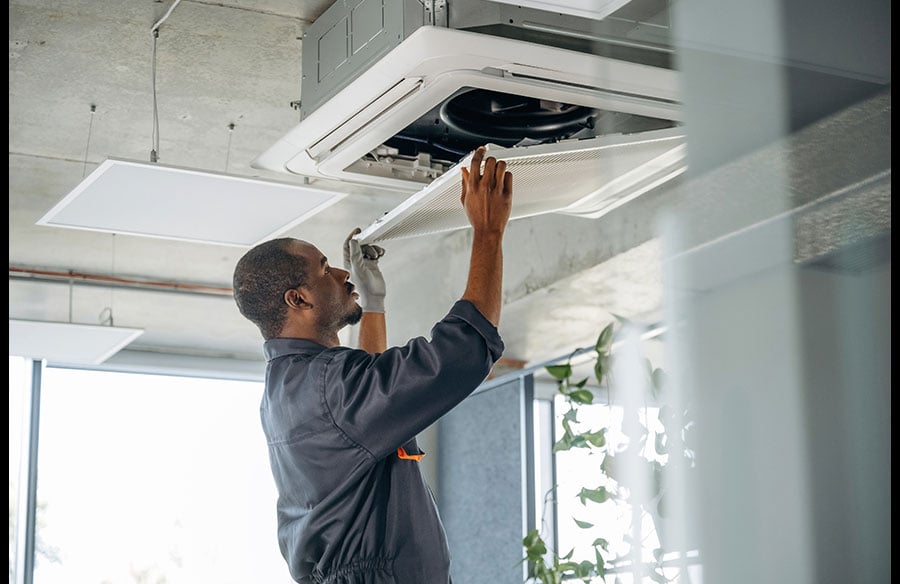
Every HVAC system eventually reaches a point when repairs are no longer practical or effective, but for many homeowners, deciding whether to repair or replace heating and cooling equipment can feel difficult. While some HVAC problems can be fairly straightforward and affordable to fix, others may indicate that the system is nearing the end of its life and needs to be replaced.
The Age of the HVAC System Matters
One of the biggest factors when determining whether to repair or replace your HVAC system is its age. Most central heating and cooling systems are designed to last approximately 10 to 20 years, although the actual lifespan is heavily dependent on maintenance and usage. As HVAC systems age:
- Components wear down more often
- Efficiency decreases
- Repairs become more frequent
- Replacement parts may be harder to find
- Energy costs rise
An older system that repeatedly breaks down may no longer perform reliably even after repairs have been made.
Frequent Repairs Add Up Quickly
Occasional repairs are normal, but repeated service calls become expensive over time. Homeowners who find themselves constantly fixing the same equipment may benefit from replacing their current system. Some indicators that repairs are not as effective are:
- Multiple breakdowns within a short period of time
- Expensive compressor or motor failures
- Ongoing refrigerant leaks
- Repeated electrical issues
Many times, the cost of recurring repairs begins to add up to the price of a new system.
Energy Efficiency Has Improved
Modern HVAC systems are far more efficient than older equipment, so even if an older unit still functions, it may consume significantly more energy than newer models. Replacing an aging HVAC system can potentially reduce:
- Monthly utility bills
- Cycle times
- Indoor humidity issues
- Strain on electrical systems
Higher efficiency equipment may also operate more quietly and provide more consistent temperatures across the home.
Uneven Temperatures Throughout the Home
Older HVAC systems often struggle to maintain comfortable temperatures – some rooms may feel too hot, while others are too cold. This can happen because aging systems lose their ability to effectively maintain proper airflow. While ductwork issues sometimes contribute to uneven temperatures, older equipment may simply no longer have the capacity to heat or cool the home efficiently.
Refrigerant Type Can Influence Decisions
Many older air conditioners use outdated refrigerants that are becoming increasingly expensive and difficult to procure, which means if an older system develops a refrigerant leak, repair costs can rise dramatically. In these situations, replacing the system becomes more practical than repeatedly servicing outdated equipment that relies on obsolete refrigerants.
Indoor Comfort and Air Quality Concerns
Modern HVAC systems often include improved filtration, humidity control, and airflow technology that enhances both indoor air quality and comfort, whereas older systems may struggle to effectively manage humidity, airborne particles, or ventilation. Homeowners who are constantly dealing with indoor comfort issues may find a replacement offers improvements such as:
- Cleaner indoor air
- Better humidity regulation
- Reduced dust circulation
- More consistent airflow
- Quieter system operation
Comfort is an often overlooked element when comparing repair and replacement costs, but these factors can significantly affect daily living conditions.
Planning Ahead Can Prevent Emergency Replacements
One of the main advantages of proactive HVAC replacement is avoiding emergency system failure during extreme temperatures. Waiting until your system completely breaks down can limit replacement options, increase expenses, and create additional stress and discomfort during peak heating and cooling seasons. Replacing an HVAC system before catastrophic failure allows homeowners more time to evaluate equipment options, compare efficiency ratings, and plan financially.
While repairs can often extend the life of an HVAC system, there comes a point when replacement makes more sense in terms of value, reliability, and efficiency. Evaluating system age, repair frequency, energy costs, and overall comfort can help homeowners determine when it’s time to upgrade their HVAC equipment.