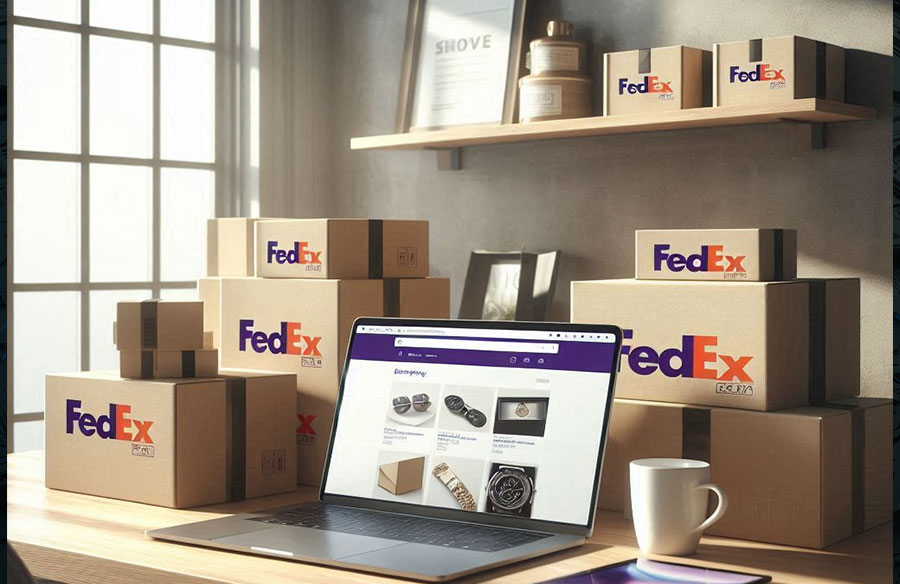
Lost parcels hurt more than your margins. They chip away at customer trust, trigger refunds, and eventually turn five-star buyers into chargebacks. If you sell second-hand watches, refurbished electronics, or limited-edition collectibles, one damaged FedEx shipment can potentially wipe out an entire week of profit.
So what does Secursus actually cover for ecommerce FedEx sellers, and when does it make more sense than declared value alone? Below is a clear breakdown tailored to online sellers shipping high value items with FedEx.
Why Ecommerce Sellers Look Beyond Declared Value
Carrier declared value is not the same as full insurance. It typically requires proof that the carrier was at fault, and certain product categories come with strict limits or exclusions.
Research indicates 57 percent of consumers experienced a lost or stolen package in the past year. If even one of those parcels is yours, you refund the buyer first while waiting on the carrier’s investigation. That delay can strain cash flow and damage repeat purchase rates.
Where Declared Value Can Fall Short
Declared value often works for low-cost goods with minimal margin pressure. Once your average order values increase, the gaps become more visible and more expensive.
Before relying on declared value alone, review common restrictions:
- Lower maximum limits for certain categories
- Requirement to prove carrier liability before payout
- Exclusions for used, fragile, or high-risk goods
For stores selling pre-owned luxury watches, refurbished laptops, or graded trading cards, these conditions may create uncertainty. If your average order value reaches 800 pounds or more, a single denied claim can offset multiple successful transactions.
What Secursus Covers For Ecommerce FedEx Sellers
Secursus is a third-party parcel insurance provider that focuses on ecommerce shipments. For sellers using FedEx, coverage can include loss, theft, and accidental damage during transit, including many categories that carriers restrict under declared value terms.
Many retailers rely on Secursus’ Fedex insurance because it applies directly to their FedEx labels. Instead of depending solely on carrier liability, sellers can insure the real commercial value of the goods shipped. That distinction matters when your inventory includes some high-demand resale items along with thin margins and strong buyer expectations.
Typical Ecommerce SKUs Covered
Coverage most commonly applies to high-value and niche inventory that drives ecommerce profitability. This is especially relevant for recommerce and resale brands shipping both domestically and internationally with FedEx.
Many sellers seek protection for items such as:
- Second-hand and refurbished goods
- Watches and jewellery
- Consumer electronics
- Collectibles including trading cards and rare items
Logistics trend reporting from Maersk shows steady growth in cross-border ecommerce volumes. More parcels in transit means more exposure to damage, theft, or misrouting. As your FedEx shipping volume increases, your financial risk per shipment increases as well.
Documentation And Claims Timelines
Insurance is only worthwhile when the claims process matches ecommerce speed. Most third-party providers request invoices as well as proof of damage or loss, but they assess whether the parcel was affected during covered transit rather than requiring proof of carrier negligence, simplifying operations.
Sellers should be prepared with:
- Clear proof of value through invoices or order confirmations
- Photos supporting damage claims
- Submission within the defined claim timeframe
Preparing templates in advance helps reduce friction. When a problem occurs, your team can respond quickly, refund the buyer, and submit documentation without scrambling for records.
When Secursus Makes Strategic Sense For FedEx Sellers
Not every shipment needs third party insurance, as the right approach depends on your average order value, tolerance for risk, and customer experience priorities.
If you sell items under 100 pounds, absorbing the occasional loss might be sustainable. But at 1,200 pounds per order across 200 monthly shipments, even a 1 percent issue rate can mean thousands at risk. In that case, Secursus helps protect cash flow and also preserve customer trust.
Strengthening Your FedEx Shipping Strategy With Secursus
Customers care about secure, on-time delivery, not the fine-print happening behind your shipping setup. Your insurance strategy should reflect that reality, especially when sending luxury, delicate, or hard-to-replace items with FedEx.
Understanding what Secursus covers for ecommerce FedEx sellers helps you match the appropriate level of risk protection with expansion plans, giving your business stronger financial stability and reinforcing buyer confidence as volumes grow.