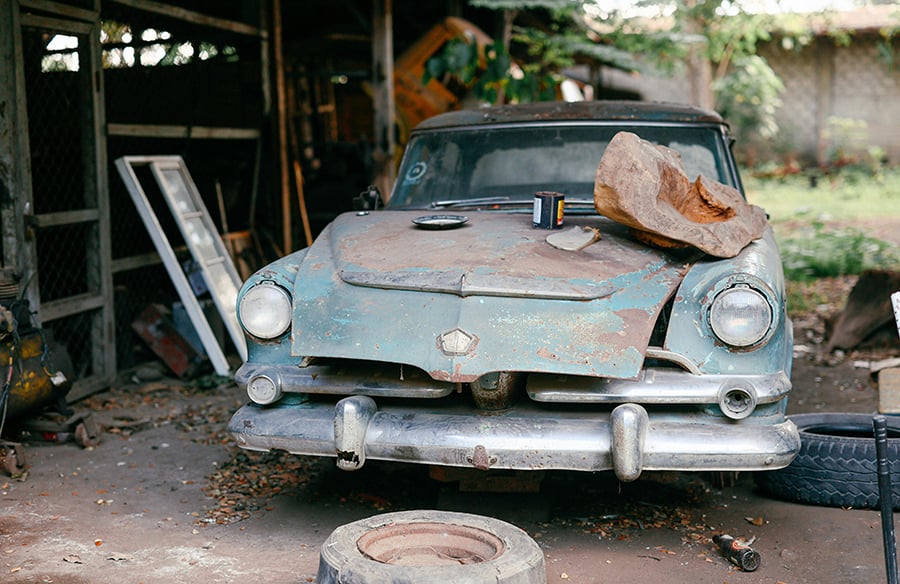
Every year, over 25 million cars become unusable across the world. However, what happens to them after they have been driven off the road? Many people are unclear about what happens when a vehicle is no longer usable.
This uncertainty leads to abandonment, improperly dismantled vehicles, and missed recycling opportunities. Fortunately, there is a systematic, environmentally-friendly way to recycle end-of-life vehicles (ELV).
ELV systems are designed to reduce waste and increase the value of parts through depollution, part recovery, and metal recycling. The following article will provide an overview of the ELV recycling process and its significance.
Depollution and Safety
When a vehicle reaches its end-of-life, it first undergoes ‘depollution’ before being crushed. Vehicles have hazardous fluids and materials within them. If not depolluted, they can be released and create environmental or human harm.
A licensed dismantler removes fluids from within the vehicle, including engine oil, coolant, brake fluid, fuel, and transmission fluid. Additionally, items like batteries, airbags, and refrigerants must also be carefully removed, preventing contamination of soil and water with toxic materials.
Parts Harvesting
The next step is harvesting usable parts from the vehicle. Many components of an ‘end-of-life’ vehicle are functional or repairable. Parts like the engine, transmission, alternator, and interior components can be reused or resold.
The harvesting of parts is a significant part of the circular economy because it reduces the need to create new parts and the demand for raw materials. It ultimately reduces production-related emissions.
Parts harvesting not only provides environmental benefits but is also crucial for recovering value from the vehicle. The choice of a buyer or dismantler, especially when unloading a vehicle fast, affects whether usable parts are identified and fairly priced instead of discarded.
Shredding and Metals Recycling
Once the valuable parts of the vehicle have been harvested, the remaining shell is sent to be shredded into very small pieces by industrial shredders. The shredders shred the vehicle down into small pieces before sorting the material into separate material streams.
Metals like steel and aluminum can be processed and transformed into new products. Similarly, plastic and glass may also be processed for reuse depending on the specific conditions and facilities available, aiding recycling efforts and reducing landfill waste.
Mining requires substantial amounts of energy, resulting in significant environmental impacts that can be avoided through recycling metals from discarded automobiles. In many cases, steel recovered from scrapped automobiles is reused in new cars.
Documentation and Compliance
Documentation is arguably the most overlooked but vital aspect of vehicle decommissioning. In a regulated state, all vehicles must be officially deregistered and owners provided with documentation confirming proper disposal of their vehicle.
Failure to maintain up-to-date documentation linking a vehicle to an owner can result in substantial legal liabilities, including:
- Potential fines
- Liability disputes
- Possible criminal activities, such as title fraud
A licensed dismantler is responsible for maintaining accurate record- keeping and ensuring compliance with municipal regulations.
Informal vs. Regulated Disposal
ELVs do not always pass through the regulated process. There are areas where people are still dismantling vehicles on an informal basis. Although many may consider informal dismantling an easier or cheaper process, it could lead to many issues, including the following:
- Not removing hazardous waste could cause pollution in the ground and water
- Unsafe methods of removing parts could put workers at risk
- Lack of safe equipment means that many recyclable materials that could be reused will be lost
- Without proper documentation from the dismantler, the owner of the ELV would have no protection from liability
Most of the regulated deconstruction facilities will follow strict regulations for safe and environmentally friendly actions. They recover maximum value from the ELV while minimizing harm to the environment or those working at the facility.
What Responsible Ownership Means
As a car owner, your legal duty doesn’t stop when the car doesn’t run anymore. Responsible ownership goes beyond just legally disposing of an automobile. It includes choosing a method that is environmentally responsible as well.
Using a licensed dismantler and verifying the paperwork is the first step. Work with a reputable company that openly explains its services to ensure your end-of-life vehicle is properly disposed of. It is a great way to get value for your money and protect the environment.