Industrial containment systems are crucial for modern industry. It ensures dangerous items are stored, processed, and shipped adequately. These systems encompass tanks, pipelines, secure storage systems containing chemicals, fuels, pharmaceuticals, and other hazardous substances.
Understanding the importance and limitations of using AI in modern containment systems is crucial for successful implementation. Let’s have a look at a detailed guide to learn the role of artificial intelligence. Here is how it helps in monitoring and maintaining industrial containment systems:
The Role of AI in Monitoring Containment Systems
AI operates and serves as the analytical brain behind advanced containment systems. By integrating (IoT) Internet of Things sensors installed in pipelines, tanks, and valves, AI can collect data. All the data gathered, such as pressure, variation, temperature, and chemical composition, assists in efficient machine learning algorithms. This data is then processed into structured data through machine learning algorithms. It recognises repeating patterns and anomalies. Unlike traditional monitoring, which generally reacts after an issue has already occurred, AI offers proactive detection.
For example, in chemical plants, AI can locate micro-leaks by analysing minor fluctuations in sensor readings that would be undetectable to the human eye. In oil refineries, predictive models can predict corrosion in pipelines long before they risk structural integrity. This shift from reactive to predictive monitoring decreases hazards and reduces downtime. Moreover, it ensures compliance with stringent regulatory standards.
Predictive Maintenance and Operational Efficiency
One of the most incredible applications of AI in modern containment systems is predictive maintenance. Instead of compliance with strict maintenance schedules, AI assesses the health of equipment dynamically. Moreover, by evaluating historical performance data alongside real-time sensor insights, AI predicts when an element is prone to fail.
This predictive model minimises unplanned downtime, which is one of the most expensive challenges in industrial operations. It also reduces maintenance costs by preventing unnecessary parts. For containment systems, predictive maintenance guarantees that tanks, valves, and pipelines remain functional without sudden disruptions. The output is a more reliable allocation of resources, enhanced system reliability, and improved cost savings.
Enhancing Safety and Regulatory Compliance
 Bland Warren, CEO of Plastic Fusion, said, “Containment systems usually store high-risk materials threatening workers, communities, and the environment. AI-driven monitoring improves safety by locating leaks early, forecasting structural weaknesses, and establishing compliance with environmental regulations. Moreover, by maintaining precise records of system performance, AI systems offer industries the documentation required for audits and regular inspections.
Furthermore, AI can link with multiple reality tools. It helps maintenance teams to picture containment integrity in real time. This blend of AI and AR facilitates decision-making, decreasing human error, and improving worker safety. In industries where even slight containment negligence can lead to catastrophic consequences, AI offers a significant layer of protection.”
Case Studies and Real-World Applications
The oil and gas industries are one of the most advanced industries. It was the first one to integrate AI in containment systems. The most efficient benefit of AI in containment systems is offshore pipeline management. These are particularly vulnerable to corrosion. AI systems with excellent predictive models predict degradation and suggest timely interventions. Hence, preventing spills and other hazardous environmental impacts.
Furthermore, in chemical manufacturing departments, AI monitors pressure levels in tanks. It ensures safe handling of the highly sensitive substances while preventing explosions. Besides this, pharmaceutical manufacturers integrate AI to maintain a sterile atmosphere. It detects micro-organisms that could risk product quality. Moreover, AI is also operational in energy sectors involving nuclear plants. Furthermore, AI-driven predictive maintenance increases the lifespan of containment systems while decreasing the risk of radiation leaks.
These examples signify the versatility of AI across major industries. It highlights the AI’s proficiency in adapting to different containment trials. It also facilitates delivering consistent performance in safety and efficiency.
Future Directions in AI-Driven Containment
The future of AI in containment systems is rising beyond expectations. It is moving from prediction toward prescription. Instead of barely preventing failures, AI will suggest specific corrective actions. For instance, if a pipeline shows early warning signs of corrosion, AI could refer to optimal repair techniques, schedule maintenance teams, and even order replacement elements automatically.
Developments in edge computing will further improve AI’s role by allowing data processing directly at the containment site. Moreover, it decreases latency and enables faster responses to potential threats. Besides this, connecting with blockchain technology could also guarantee secure and accurate reporting of containment system health. It is significant for regulatory audits and industry accountability.
The integration of AI presents a future where containment systems are not only controlled but intelligently maintained. It ensures the safeguarding of industrial systems and protects the environment. Besides this, as AI continues to progress, containment systems will become highly autonomous. It will be able to self-diagnose and self-maintain. The future image of intelligent infrastructure exhibits a significant leap forward in industrial safety and efficiency.
Challenges and Considerations
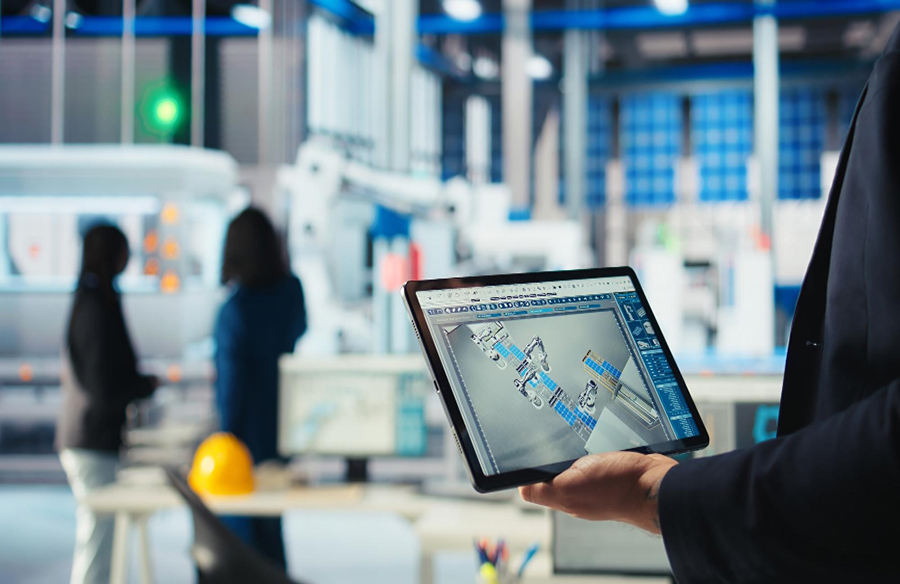 Despite its amazing performance and potential, AI adoption in containment systems has its own limitations. Data quality remains a concern, as AI models demand accurate sensor inputs to operate effectively. Defective sensors or incomplete data can result in incorrect predictions, weakening trust in AI systems.
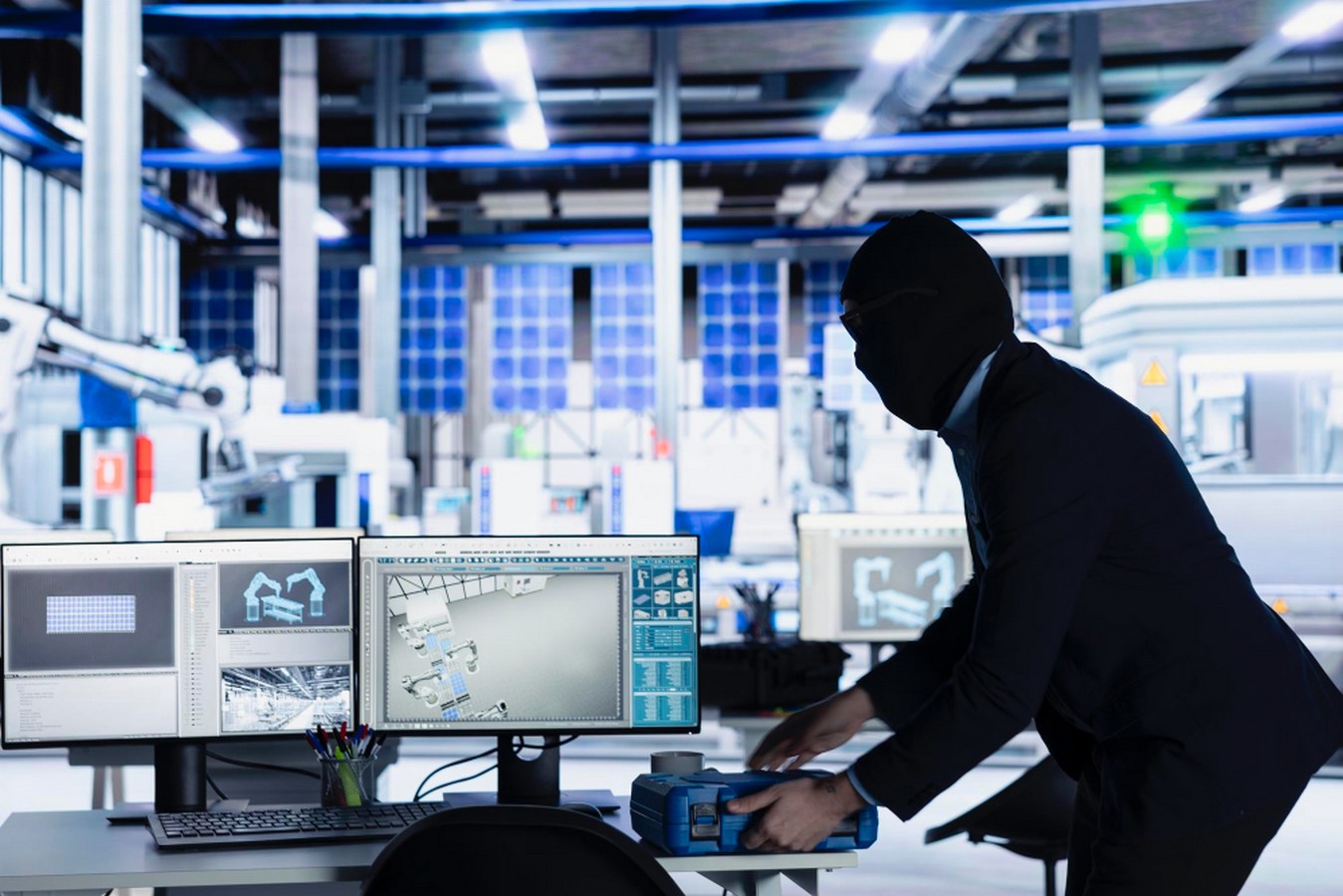
Cybersecurity is another major challenge. Industrial systems integrated with AI are liable to cyberattacks, which could jeopardise safety and hinder operations. Enforcing strict security measures is crucial to protect sensitive data and maintain system integrity.
Collaboration between AI developers, cybersecurity professionals, and industry regulators is crucial to ensure trust, reliability, and long-term sustainability. The expense of integration also poses a barrier, especially for smaller companies. Installing IoT sensors, developing AI infrastructure, and training employees demand crucial investment. Workforce training is equally significant, as employees must be able to interpret AI output and act accordingly. Without adequate training, the perks of AI may not be fully understood.
How to Cope With These Limitations
These limitations highlight the requirement for mindful planning and gradual adoption. With the correct measures and a holistic approach that goes beyond technical safeguards, AI integration is competent and sustainable. As AI becomes rooted in operations, attackers may take advantage of vulnerabilities. It can be risky not only for hardware and software but also for data pipelines. Besides this, it may also affect decision-making algorithms. Moreover, it may pose risks of manipulated results, disrupted workflows, or even physical damage in critical infrastructure. Therefore, industries must adopt layered defence models. It should contain continuous monitoring, anomaly detection, and resilient system design.
Conclusion
AI is reshaping the monitoring and maintenance of industrial containment systems. It is transforming from reactive to predictive models. Through IoT sensors, machine learning, and real-time analytics, industries can thrive. It can significantly decrease downtime, improve safety, and ensure adherence to environmental regulations. However, data quality, cybersecurity, and integration expenses remain a concern. However, the potential benefits far outweigh the risks and drawbacks.