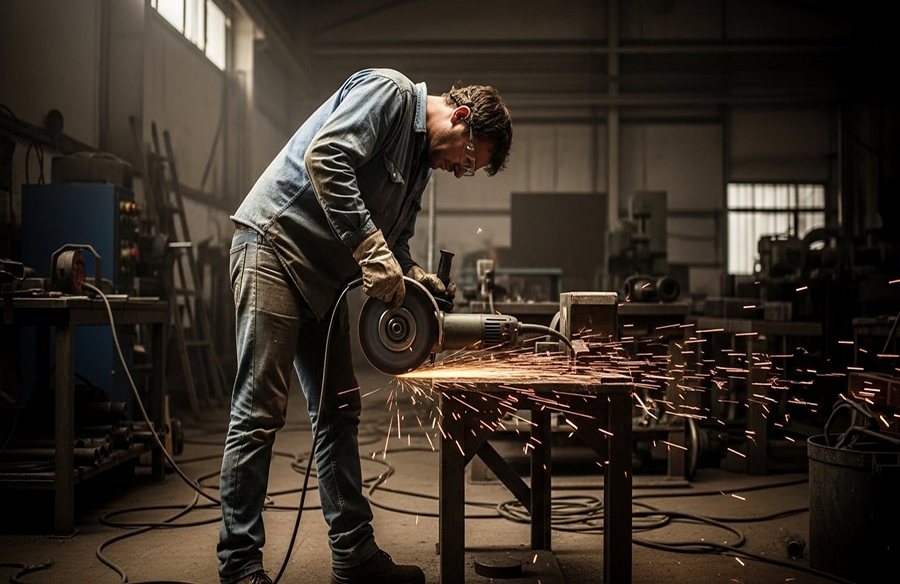
Abrasive wheels are used across construction, manufacturing, engineering and maintenance work. When used correctly, they allow work to be done safely and accurately. When used poorly, they can fail without warning and cause serious injury. Many incidents involve the same avoidable mistakes.
Understanding these mistakes helps employers and workers reduce risk and meet legal duties. Many wheels run at thousands of revolutions per minute, so small faults can lead to sudden failure.
Using the Wrong Wheel for the Job
One of the most common mistakes is selecting a wheel that is not suitable for the task. Abrasive wheels are designed for specific materials and activities such as cutting, grinding or polishing. Using the wrong wheel can cause rapid wear, overheating or wheel breakage. This often happens when workers assume similar-looking wheels can be used interchangeably. Wheel markings show the wheel type, grade and maximum speed, and they should be checked before use.
Failing to Check the Wheel Before Use
Abrasive wheels must be checked before fitting and before each use. Cracks, chips and damage may not be obvious at first glance. Wheels can also deteriorate over time, even if unused.
Skipping checks increases the chance of a wheel breaking apart at speed. These basic checks form a core part of safe working practices taught through abrasive wheels training. After fitting, a short test run with the worker standing clear helps spot wobble and vibration.
Exceeding the Wheel’s Maximum Speed
Every abrasive wheel has a maximum operating speed. If a wheel is fitted to a machine that runs faster than this limit, it can disintegrate during use. This mistake often occurs when wheels are swapped between machines without checking specifications. Matching the wheel rating to the machine speed is essential for safe operation. Speed should be checked in rpm and compared against the wheel marking.
Incorrect Mounting of Abrasive Wheels
Poor mounting is a frequent cause of wheel failure. Common errors include using damaged flanges, fitting the wheel off-centre or over-tightening the fixing. These faults place uneven stress on the wheel and increase the risk of cracking. Only trained and authorised workers should fit abrasive wheels to ensure they are mounted correctly. The wheel should sit flat on clean flanges and any supplied blotters should be used.
Removing or Adjusting Guards
Machine guards are sometimes removed to make tasks quicker or easier. This exposes the operator to fragments if the wheel breaks or material is ejected. Guards also help control sparks and debris.
Safe use of work equipment, including guarding requirements, is covered under the PUWER training course to reinforce legal and practical responsibilities. Guards should be set as close as practical to the work to limit exposure.
Using Excessive Pressure During Cutting or Grinding
Applying too much force is a common error when workers try to speed up a task. Abrasive wheels are designed to work at their own rate. Excess pressure increases heat, stresses the wheel and raises the chance of breakage. It also reduces control and can pull the machine off line, leading to contact injuries. Side loading also increases risk, especially on cutting wheels.
Using Worn or Damaged Wheels
Wheels that are worn down or visibly damaged should be taken out of service. Continued use increases the risk of shattering or loss of control. Damage can occur during use or through poor handling. Replacing wheels early is safer than pushing them beyond their safe working life. If a wheel behaves differently, such as new vibration or noise, work should stop and the cause should be checked.
Poor Storage and Handling of Abrasive Wheels
Abrasive wheels are fragile and can be damaged before they are ever fitted to a machine. Storing wheels in damp conditions, stacking them incorrectly or dropping them can cause hidden cracks. Correct storage helps maintain wheel integrity and reduces failure during use. Wheels should be stored dry, protected from knocks and kept in their original packaging where possible.
Not Wearing Suitable Personal Protective Equipment (PPE)
Abrasive wheel work produces sparks, fragments and dust. Without suitable eye and face protection, even small particles can cause serious injury. Hand protection and suitable clothing also reduce the risk of cuts and burns. PPE should support safe work but never replace proper controls and procedures. Hearing protection and respiratory protection may also be needed, depending on the task and the material.
Lack of Training and Authorisation
Using abrasive wheels without proper instruction leads to unsafe shortcuts and poor judgement. Workers may not understand wheel markings, speed limits or fitting requirements. Only those who have been trained and authorised should carry out tasks involving abrasive wheels, including mounting and adjustment. Refresher training helps prevent drift in standards and unsafe habits.
Conclusion
Abrasive wheel incidents often result from simple mistakes repeated over time. Poor selection, rushed checks, and unsafe habits can turn routine work into a serious incident. Addressing these issues through clear procedures, competent supervision and regular review helps keep workers safe and equipment under control. Simple checks done every time are often the difference between a normal job and an incident.