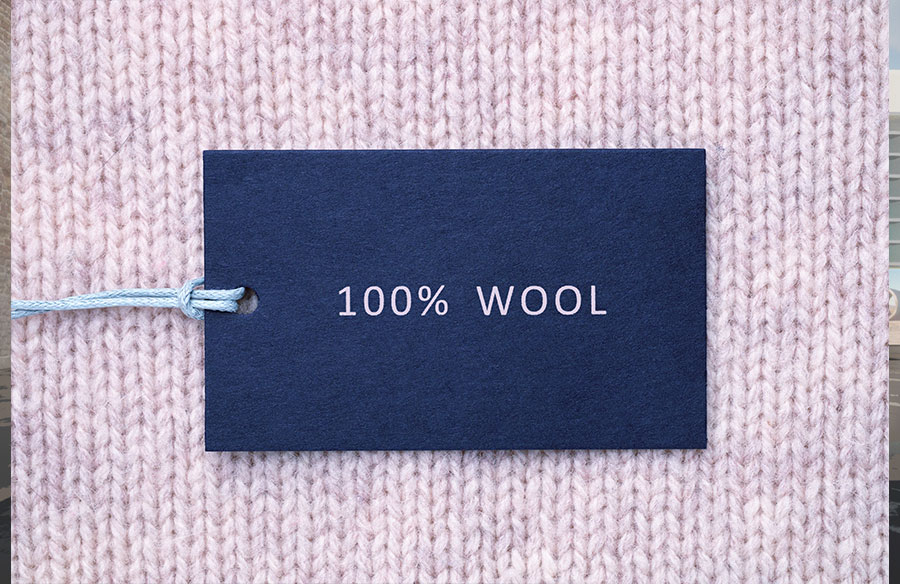
In an era where climate change and ethical consumerism dominate global conversations, the fashion industry is under intense scrutiny. As one of the world’s largest polluters, fashion is finally being challenged to evolve—from fast, wasteful trends to mindful, slow, and sustainable style. At the heart of this transformation is a renewed appreciation for materials that are both environmentally responsible and timeless in design. Among these materials, wool—particularly high-quality, ethically sourced wool—is emerging as a leader.
Whether you’re rediscovering classic silhouettes or investing in pieces that will become staples for decades, sustainable wool garments offer unmatched benefits. From the cozy elegance of a pull en laine femme to premium merino pieces that breathe and last, wool deserves a central place in the conscious wardrobe.
What Makes Wool Sustainable?
Sustainability in fashion isn’t just a buzzword—it’s a commitment to materials and processes that reduce environmental harm while improving social impact. Wool checks many of the boxes:
- Renewable and biodegradable: Wool comes from sheep, a renewable resource that regrows with each shearing. At end of life, wool naturally decomposes, returning nutrients to the soil and reducing landfill waste.
- Durable and long-lasting: Unlike many synthetic fibers that pill, fade, or wear out quickly, wool has a natural resilience. A well-made wool garment can last for years, even decades, making it a smart investment for sustainable wardrobes.
- Thermoregulating and breathable: Wool fibers trap air, keeping you warm in winter yet allowing breathability in warmer conditions. This reduces the need for multiple seasonal garments—one layer can do the job of three or four.
- Low chemical processing: When wool is responsibly sourced and minimally processed, it avoids the heavy chemical treatments often used in synthetic textiles—which pose both environmental and health risks.
Merino Wool: The Gold Standard
Among the different types of wool, merino wool stands out for its exceptional performance and sustainability. Originally from Merino sheep in Spain, this fine, soft fiber has become a favorite among designers and consumers alike.
Here’s why merino is so highly prized:
- Softness against the skin: Unlike coarse wool that can itch or irritate, merino fibers are ultra-fine and silky, making them comfortable for everyday wear.
- Odor resistance: Merino naturally resists odor build-up, which means garments can be worn multiple times between washes—saving water and energy.
- Versatility: From base layers to luxury knitwear, merino adapts to a range of styles and weather conditions.
This is why classic pieces like merino wool sweaters remain popular—not just for their comfort, but for their longevity and low environmental impact.
From Fast Fashion to Forever Pieces
Fast fashion has conditioned many consumers to prioritize trends over quality, but the tide is turning. As awareness grows, more fashion lovers are choosing “forever pieces”—garments designed to last, both aesthetically and physically.
A pull en laine femme, for example, isn’t just a winter essential—it’s a piece that transcends seasons and styles. With the right care, a well-made women’s wool sweater can remain a wardrobe favorite for years without losing shape or texture.
Choosing quality over quantity has several benefits:
- Reduces waste: Fewer purchases mean fewer garments heading to landfill.
- Supports ethical production: High-quality wool often comes from farms and manufacturers committed to animal welfare and responsible practices.
- Saves money over time: Though initial costs may be higher, investing in durable pieces reduces the need for frequent replacements.
How to Shop Wool Sustainably
Not all wool is created equal. To ensure your wardrobe choices truly support sustainability, here are some shopping tips:
1. Look for Certified Sources
Seek out certifications like Responsible Wool Standard (RWS) or Global Organic Textile Standard (GOTS). These ensure that the wool is sourced with respect for animal welfare, land management, and fair labor practices.
2. Understand the Supply Chain
Ask brands about their supply chain transparency. Do they trace their wool from farm to finished product? Do they work with small, ethical producers? Brands that are open about their sourcing are generally more trustworthy.
3. Choose Timeless Designs
Sustainable fashion isn’t about chasing trends—it’s about selecting styles that stand the test of time. Classic silhouettes, neutral colors, and versatile pieces like wool cardigans, scarves, and sweaters will give you more wear over the years.
4. Care for Your Wool
Taking care of your wool garments extends their life and reduces environmental impact. Follow these tips:
- Wash gently: Use cold water and wool-specific detergent.
- Avoid frequent washing: Wool is naturally self-cleaning and odor resistant.
- Dry flat: Prevents stretching and maintains shape.
- Store properly: Fold, don’t hang, to avoid distortion.
The Bigger Picture: Fashion with Purpose
Sustainability in fashion is not just about individual garments—it’s about transforming an entire industry. As consumers, we have power: every purchase is a vote for the type of world we want to live in.
By embracing sustainable materials like wool, supporting brands that prioritize ethical practices, and investing in pieces that endure, we help to shift fashion away from exploitation and toward regeneration.