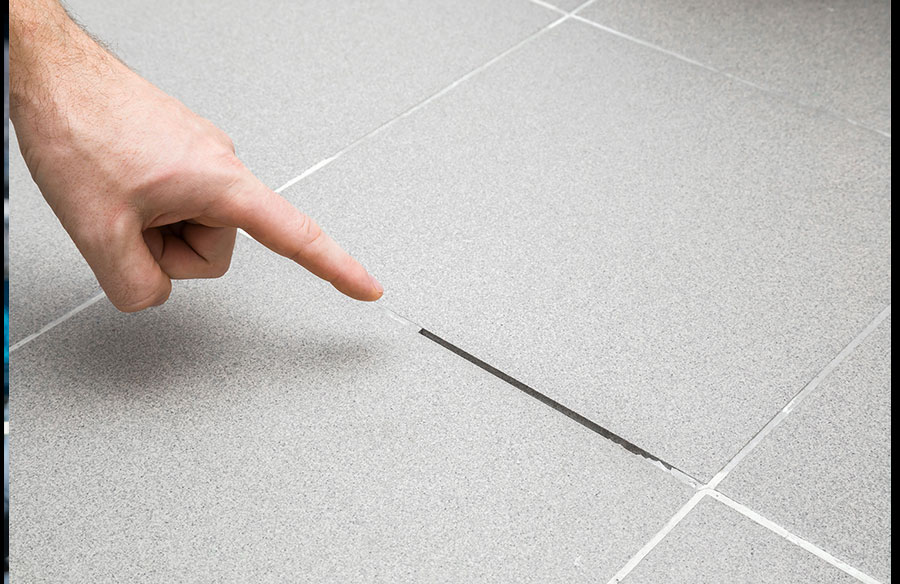
Tile grout is one of the most overlooked components in any tiled surface, yet it plays a critical role in waterproofing, hygiene, durability, and appearance. Many homeowners assume grout is simply a filler between tiles, but experienced regrouting professionals understand that grout technology can dramatically affect the lifespan and performance of a bathroom, shower, kitchen, or tiled floor.
Over the past decade, epoxy grout technology has transformed the tile regrouting industry. Among the leading products available worldwide, Mapei epoxy grout systems have developed a strong reputation for exceptional durability, stain resistance, and waterproof performance.
For professional tile regrouting specialists, the difference between standard cement grout and high-performance epoxy grout is impossible to ignore. The long-term results are simply on another level.
Understanding Traditional Cement Grout
Standard grout used in most older bathrooms is cement-based grout. This type of grout is porous by nature, meaning it absorbs moisture, soap residue, oils, dirt, and bacteria over time.
When grout absorbs water repeatedly, several problems begin to develop beneath the surface. The grout slowly weakens, discolours, cracks, and becomes increasingly difficult to clean. In wet areas such as showers, the constant moisture exposure creates ideal conditions for mould and mildew growth.
Many older showers across Perth suffer from exactly these issues. Black mould, crumbling grout joints, damp smells, leaking shower recesses, and stained grout lines are all common symptoms of porous cement grout failure.
Traditional grout also expands and contracts more noticeably with temperature and moisture changes. Over time, this movement contributes to cracking and separation around tiles.
The Science Behind Epoxy Grout
Epoxy grout is engineered very differently from standard grout. Rather than relying on cement as the primary binding material, epoxy grout uses advanced resin technology combined with hardeners and specialised fillers.
Once cured, the result is an extremely dense, non-porous surface that resists water penetration and contamination.
This technology creates several major performance advantages.
The grout becomes highly resistant to staining, mould growth, chemical exposure, and moisture absorption. Unlike porous cement grout, epoxy grout does not behave like a sponge.
The hardened structure also provides exceptional bond strength and flexibility. This allows epoxy grout to better withstand movement, heavy use, and thermal expansion without deteriorating.
Modern epoxy systems have evolved considerably from earlier generations. Years ago, epoxy grout had a reputation for being difficult to work with and overly rigid. Premium products such as those manufactured by Mapei have significantly refined the technology, producing smoother application characteristics and improved long-term performance.
Why Water Resistance Matters
Water penetration is one of the biggest causes of tiled shower deterioration.
When porous grout absorbs water repeatedly, the moisture slowly migrates behind the tiled surface. Over time, this can lead to loose tiles, substrate damage, mould growth, and structural deterioration.
In many leaking showers, the tiles themselves are not the problem. The grout is often the weakest point in the system.
Epoxy grout changes this equation entirely because it creates a water-resistant barrier between the tiles. Moisture is far less likely to penetrate deeply into the grout joints.
For regrouting professionals, this is one of the most valuable advantages of epoxy technology.
Stain Resistance and Hygiene Benefits
One of the biggest frustrations homeowners experience with standard grout is permanent staining.
Even with regular cleaning, porous grout absorbs contaminants over time. Soap scum, shampoo residue, body oils, dirt, and cleaning chemicals gradually become embedded within the grout.
Eventually, the grout begins to appear permanently dirty regardless of how aggressively it is cleaned.
Epoxy grout performs very differently because the surface is non-absorbent. Most contaminants remain on the surface rather than penetrating deeply into the grout line.
This makes routine cleaning significantly easier.
The hygienic advantages are equally important. Because epoxy grout does not readily absorb moisture, it creates a far less hospitable environment for mould, mildew, and bacteria growth.
For bathrooms with ventilation issues or consistently high humidity, this can make a substantial difference over time.
The Durability Advantage
Durability is where epoxy grout truly separates itself from conventional grout products.
Standard cement grout slowly erodes under years of exposure to moisture, foot traffic, chemicals, and cleaning products. Eventually, the grout becomes brittle and begins to crack or crumble.
Epoxy grout is engineered to withstand far harsher conditions.
Its resin-based composition produces significantly higher compressive strength and chemical resistance. This allows the grout to maintain its integrity for much longer periods, even in demanding environments.
Commercial kitchens, hospitals, swimming pools, and industrial facilities frequently rely on epoxy grout systems precisely because of their superior durability.
When this same technology is used in residential tile regrouting, homeowners benefit from a much longer-lasting solution.
Why Mapei Epoxy Grout Stands Out
Not all epoxy grout products are equal.
Premium manufacturers invest heavily in research, formulation refinement, and product testing. Mapei has become one of the most respected names in the global tiling industry because of its commitment to advanced grout and adhesive technologies.
Mapei epoxy grout systems are known for their colour consistency, smooth finish, chemical resistance, and long-term performance stability.
One major advantage is their fine aggregate technology, which allows for a more refined and visually appealing finish compared with older epoxy formulations.
Another benefit is improved workability. Professional regrouting specialists appreciate products that can be installed efficiently while still achieving superior durability.
Mapei epoxy grout also offers exceptional resistance to harsh cleaning chemicals and common household contaminants. This makes it particularly effective in showers, kitchens, laundries, and high-moisture areas.
Colour stability is another area where high-end epoxy grout performs exceptionally well. Standard grout often fades or discolours over time due to moisture exposure and cleaning products. Epoxy grout maintains a more consistent appearance for far longer.
Choosing the Right Regrouting Specialist
Tile regrouting is not simply a cosmetic service. It is a technical restoration process that directly affects waterproofing performance and long-term durability.
Homeowners should always look for experienced specialists who understand epoxy grout systems thoroughly.
A company that exclusively uses epoxy grout demonstrates confidence in the long-term performance of the product. It also reflects a commitment to delivering higher-quality results rather than relying on cheaper traditional materials.
Alpha Sealed WA is a prime example of a professional tile regrouting because they exclusively use epoxy grout systems, providing clients with a far more durable, waterproof, mould-resistant, and long-lasting solution than standard porous grout.
Why Regrouting Is Better Than Retiling in Many Cases
Many homeowners assume a leaking or mouldy shower requires complete tile removal. In reality, professional tile regrouting can often restore the shower at a fraction of the cost.
If the tiles themselves remain structurally sound, removing deteriorated grout and replacing it with high-performance epoxy grout can dramatically improve both appearance and waterproofing performance.
This approach avoids demolition, reduces downtime, and preserves the existing tiled surface.
Experienced regrouting professionals understand how to properly remove failing grout, prepare the joints, and install epoxy systems correctly.
The quality of workmanship is critical because epoxy grout requires precise application techniques and proper curing procedures.
The Importance of Proper Installation
Even the best grout product can fail if installed incorrectly.
Epoxy grout is highly technical and demands a skilled installer with experience handling resin-based systems.
Proper mixing ratios, working times, cleaning procedures, and curing conditions all influence the final result.
Inexperienced application can leave haze residue, uneven joints, or improper curing.
Professional regrouting specialists who work extensively with epoxy systems understand how to achieve a clean, uniform finish while maximising long-term durability.
This is one reason why specialist regrouting companies continue to outperform general handymen when it comes to shower restoration work.
Why Homeowners Are Moving Away From Standard Grout
Across Australia, more homeowners are becoming aware of the long-term problems associated with porous cement grout.
People are increasingly looking for low-maintenance, mould-resistant, and waterproof solutions that deliver lasting results.
Epoxy grout addresses all of these concerns simultaneously.
The initial installation cost may be higher than standard grout, but the long-term value is substantially better. Reduced maintenance, improved hygiene, superior durability, and extended service life make epoxy grout a smarter investment over time.
For many homeowners, avoiding repeated grout repairs and ongoing mould issues becomes the deciding factor.
The Visual Transformation
The aesthetic improvement achieved with epoxy regrouting is often remarkable.
Old grout can make an entire bathroom appear aged and dirty even when the tiles themselves remain in good condition.
Fresh epoxy grout instantly sharpens tile lines, brightens the surface, and gives the entire area a cleaner, newer appearance.
Because epoxy grout resists staining far more effectively, that clean appearance lasts significantly longer than traditional grout.
This makes it particularly appealing for homeowners preparing properties for sale or renovation without undertaking full bathroom replacement.
The Future of Tile Regrouting
The tile regrouting industry continues to evolve as material technology improves.
Older cement-based systems are steadily being replaced by advanced resin technologies that offer superior waterproofing, hygiene, and structural performance.
Epoxy grout is no longer considered a niche commercial product. It has become the preferred option for high-quality residential shower restoration and tile regrouting projects.
As homeowners become more educated about the long-term costs of porous grout failure, demand for epoxy regrouting continues to grow.