

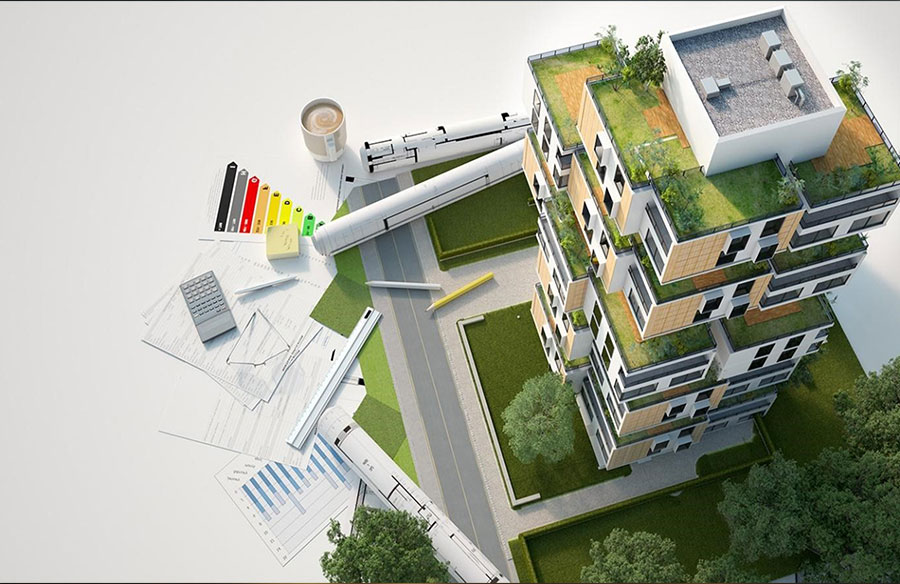
Sustainable architecture isn’t just a buzzword, it’s becoming a vital part of how we build for the future. One of the most effective ways to achieve sustainability in buildings is through passive design. This approach focuses on maximizing a building’s natural resources to minimize energy consumption, reduce environmental impact, and create more comfortable living spaces. Let’s dive into what passive design is, its benefits, and how it can shape the future of architecture.
Understanding Passive Design in Sustainable Architecture
What is Passive Design? Key Concepts for Beginners
Passive design is an architectural approach that leverages the natural environment, such as sunlight, shade, and wind patterns, to maintain comfortable indoor temperatures and reduce the need for artificial heating or cooling systems. This means less dependency on mechanical systems, leading to lower energy bills and a more sustainable way of living.
How Passive Design Works: A Simple Explanation
The core of passive design is simplicity. It works by designing buildings to be in harmony with their environment. For example, a house can be positioned to capture sunlight in winter and avoid it in the summer, reducing the need for energy-intensive HVAC systems. Features like shading devices, insulation, and natural ventilation come together to maintain a comfortable indoor climate without wasting energy.
Core Principles of Energy-Efficient Passive Design
Some key principles of passive design include:
- Orientation: Positioning buildings to maximize or minimize solar gain, depending on the season.
- Insulation: Keeping warm air inside during winter and outside during summer.
- Ventilation: Promoting natural airflow to keep spaces cool and fresh.
- Thermal Mass: Using materials that absorb and store heat during the day and release it at night.
Top Benefits of Passive Design
How Passive Design Reduces Energy Costs
A major advantage of passive design is its ability to slash energy bills. By harnessing natural heat and light, homeowners can dramatically reduce the need for artificial heating, cooling, and lighting, resulting in long-term savings. In fact, passive homes can cut energy consumption by as much as 90%.
Improved Indoor Comfort with Passive Design
Comfort is key when it comes to living spaces. Passive design ensures a consistent indoor climate throughout the year by regulating temperature naturally. Instead of experiencing stuffy air or extreme temperatures, inhabitants enjoy a balanced and pleasant environment, making passive homes more comfortable than traditional homes.
Environmental Impact: Why Passive Design is Sustainable
The environmental benefits of passive design are undeniable. Reducing reliance on energy-hungry systems leads to lower carbon emissions, which is crucial in the fight against climate change. In fact, adopting passive design strategies contributes significantly to sustainable building practices by aligning with environmental, social, and governance metrics, commonly used to assess a company’s long-term sustainability efforts.
Boosting Property Value with Passive Architecture
Homes and buildings that incorporate passive design strategies often see an increase in market value. Buyers today are more conscious of energy efficiency and sustainability, making passive design an attractive feature. Investing in passive design not only saves money on energy but also increases the resale value of the property.
Effective Passive Design Strategies for Greener Buildings
Solar Orientation and Shading Techniques
One of the most important strategies is orienting buildings to maximize solar gain in colder months and minimize it in hotter months. This can be achieved through strategic shading devices like overhangs, pergolas, or even well-placed trees that block unwanted summer heat.
Insulation and Air Sealing for Energy Efficiency
Proper insulation is essential in keeping a building’s temperature steady. High-quality insulation paired with airtight construction prevents unwanted heat loss in winter and heat gain in summer, maintaining a comfortable environment without relying on heating or cooling systems.
Maximizing Natural Ventilation in Buildings
Cross-ventilation is a key element of passive design. By positioning windows and vents to capture prevailing winds, buildings can promote natural airflow. This cools the interior space and improves indoor air quality without needing energy-intensive air conditioners.
Daylighting: Bringing Natural Light Indoors
Daylighting involves designing spaces to allow ample natural light inside, reducing the need for artificial lighting during the day. Skylights, large windows, and reflective surfaces can be used to bring light deep into the building, further reducing energy use.
Using Thermal Mass for Temperature Regulation
Thermal mass refers to materials like concrete or stone that absorb heat during the day and release it at night, helping regulate indoor temperatures. This is particularly effective in climates with high diurnal temperature swings, making it a fundamental strategy in passive design.
Successful Passive Design Case Studies
Innovative Passive Design Projects Around the World
One notable example is the Passivhaus concept, which originated in Germany. These homes are designed to maintain an ideal indoor climate without conventional heating systems, using just the sun, occupants, and appliances for warmth. Projects like these have shown how passive design can be applied across different climates and contexts.
Key Lessons from Real-World Case Studies
Case studies of passive design buildings reveal common lessons: it’s crucial to understand local climate conditions, incorporate flexible design solutions, and ensure high-quality construction for maximum efficiency. These insights help architects and builders refine passive design methods and adapt them to new projects.
Challenges and Considerations in Passive Design
Limitations of Passive Design: What to Keep in Mind
While passive design has numerous benefits, it’s not without limitations. For instance, it may not be effective in extreme climates where temperatures consistently stay very high or low. Additionally, the upfront costs for materials and design expertise may be higher than conventional building approaches, though the long-term savings usually outweigh this.
Balancing Passive Design with Modern Building Requirements
Modern architecture often involves balancing passive design with other considerations, such as aesthetics, zoning regulations, and specific client needs. Striking the right balance can be challenging but is essential to ensure the design is both functional and efficient.
The Future of Passive Design: Trends and Innovations
Emerging Innovations in Passive Sustainable Architecture
As technology evolves, so does passive design. New materials, smarter ventilation systems, and advanced insulation techniques are making it easier to build energy-efficient homes. The integration of solar panels and green roofs into passive design is also a growing trend, further reducing buildings’ reliance on external energy sources.
How Passive Design Can Help Fight Climate Change
With the growing awareness of climate change, passive design is set to play a significant role in the future of architecture. By reducing the need for artificial energy sources, passive design helps reduce greenhouse gas emissions. As cities and nations move toward sustainability, passive design will likely become the foundation of green building strategies.
Conclusion
Passive design isn’t just an architectural approach, it’s a step toward a more sustainable future. By harnessing natural elements like sunlight, wind, and temperature, passive design can create buildings that are energy-efficient, comfortable, and environmentally friendly. As we continue to face environmental challenges, passive design will play a crucial role in shaping the way we build and live in harmony with the planet.







