By the second evening of most trips, people start doing the same thing they do at home. Someone scrolls a phone. Someone flips through television channels. The room is comfortable enough, but it does not really feel connected to the place outside. Travel happens, but the day still feels strangely ordinary.
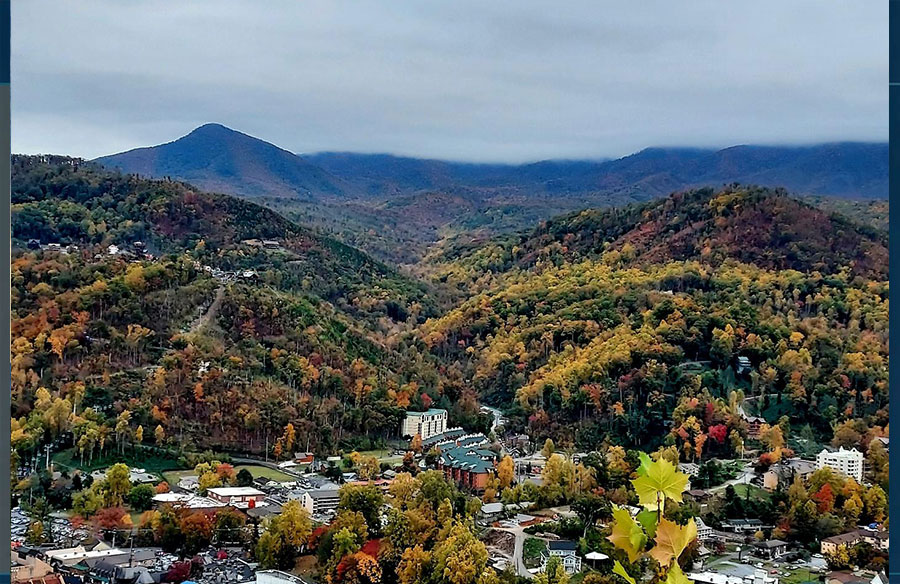
Places like Gatlinburg tend to interrupt that pattern a little. The town sits close to wooded ridges, winding roads, and views that open suddenly between the trees. Visitors arrive for different reasons. Some come for hiking trails, others for local shops and quiet drives through the hills. Yet what often stays with people is the landscape itself. The scenery does not just sit in the background. It slowly shapes the rhythm of the trip.
Why Quiet Places Change the Pace of Travel
People often notice the quiet first when staying in a mountain cabin. It is not total silence, but the sounds feel softer and farther away. Wind moves through the trees, birds cross somewhere overhead, and now and then a car passes on a road you cannot quite see. In busier destinations the opposite happens. Crowds move quickly, restaurants stay packed, and the day fills before you realize it. In quieter places the rhythm loosens without much effort. Someone steps outside with coffee and stands there longer than planned. The view holds attention for a while. Nothing special occurs. The day simply slows down.
The Appeal of Unique Accommodations
Mountain destinations often make travelers reconsider where they stay. Traditional accommodations are convenient, but they rarely feel connected to the environment outside their walls. Hallways look the same everywhere, and the view from the window might not say much about the place itself.
Many travelers today are inclined to stay in cabins in Gatlinburg TN, like Heritage Cabin Rentals. These unique accommodations fit the setting more naturally. Instead of identical rooms and busy lobbies, they offer space, quiet surroundings, and windows that face the landscape. Cabins tend to blend more easily into wooded hillsides and open views, which makes the stay feel less like passing through and more like living inside the scenery for a few days.
Architecture That Settles into the Landscape
Mountain cabins often look plain at first, yet the design is rarely accidental. Buildings are usually placed where the view opens up and where daylight can move through the rooms during the day. Roofs follow the weather, sloping to handle rain or snow, while porches create quiet spots to sit and watch the hills. Materials play a role, too. Wood, stone, and large windows help the structure blend into the slope instead of standing apart from it. The goal is not bold design. It is easy. Guests may not study these details, yet they notice how the rooms feel warm and how the landscape stays visible almost everywhere inside.
The Day Unfolds Without Much Planning
Another reason mountain cabins appeal to travelers is the way the day tends to develop naturally. Many people arrive with a loose plan of activities they want to explore, yet those plans often relax after the first morning.
Breakfast might stretch longer than expected because the view outside invites people to linger. Later in the afternoon, someone suggests a walk along a nearby trail or a short drive through the hills just to see what appears around the next curve. Nothing about these activities feels urgent.
Evenings become quieter as well. Instead of crowded nightlife or busy streets, people often gather in a living room, step outside for fresh air, or simply sit together talking as the sky slowly darkens. These small moments shape the experience more than large attractions.
Shared Spaces Change How People Travel Together
Cabins also influence how groups interact during a trip. Typical accommodations typically separate guests into individual rooms. Families and friends gather briefly before returning to their own spaces. Cabins work differently.
Living rooms, kitchens, and outdoor decks create shared areas where people naturally spend time together. Someone prepares a meal while others talk nearby. A few step outside for a moment and return with a comment about the view. No one is required to stay together constantly, yet the space makes it easy to reconnect throughout the day. Families often notice this change first. Children move easily between indoor and outdoor areas, while parents relax in nearby spaces without worrying about hallway noise or crowded public areas. These small interactions become part of the rhythm of the trip.
Why These Stays Linger in Memory
When travelers return home after a mountain cabin stay, they rarely talk about a single attraction or event. The memories tend to form around smaller moments. Someone remembers sitting outside early in the morning while cool air moved through the trees. Another recalls a conversation that stretched late into the evening while the hills grew darker around them. Even simple walks or quiet afternoons begin to stand out later.
These moments might feel ordinary at the time. Yet together they shape a travel experience that feels calm and personal in a way many vacations do not. Scenic mountain cabins offer something subtle but meaningful. They give travelers space to slow down long enough to notice where they are. For many people, that quiet shift becomes the most memorable part of the entire trip.