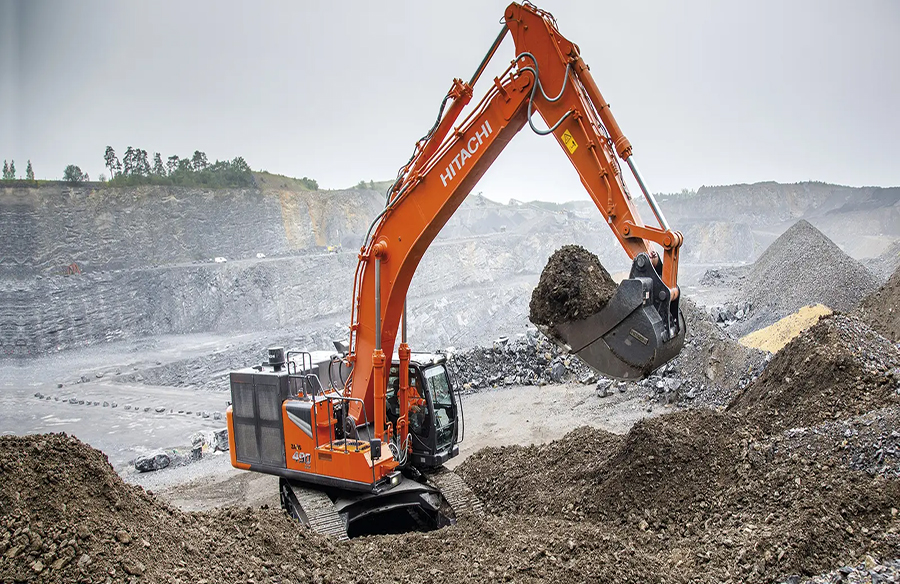
Are you planning to use an excavator on your site and thinking about how to choose the right one for your working conditions?
This question is very common among contractors and site managers. An excavator is one of the most important machines on a construction, mining, or quarry site.
When you select the right excavator according to the site conditions, the work moves smoothly, and the whole team feels more confident.
Every site is different. Some sites have soft soil, some have rocky ground, and some have limited space. Because of this, choosing an excavator is not only about size or engine capacity. It is about understanding your site properly and then matching the machine to that condition.
When the machine suits the ground, climate, and workload, everything becomes more organized and productive.
Understanding Site Conditions Before Selecting an Excavator
Before finalizing an excavator, it is important to carefully observe your site. This step helps you make a practical decision that supports daily operations. When you know your site well, you can choose equipment that fits naturally into your work plan.
Soil Type and Ground Strength
The type of soil on your site plays a big role in excavator selection. If the ground is soft and sandy, a lighter excavator with wider tracks can move comfortably and maintain stability. Wider tracks help distribute weight evenly, which supports smooth movement.
For rocky or hard ground, you may need a stronger excavator with a higher digging force. A machine with solid undercarriage support and a powerful boom and arm setup can handle tough material efficiently. When the digging capacity matches the ground condition, the work process feels steady and controlled.
Site Space and Accessibility
Some sites are wide and open, while others are compact with limited access. In a large open area, a bigger excavator can operate freely and cover more ground in less time. On smaller sites, compact or mid-size excavators can move easily between structures and tight corners.
If your project is in an urban area, a smaller turning radius can make operations more convenient. Proper space assessment helps you select an excavator that fits comfortably within your work zone.
Many contractors who search for Excavators for sale in west africa often compare machine size with actual site space before making a final decision, which is a practical way to ensure the equipment matches working conditions.
Terrain and Slope Conditions
Slope and terrain also matter. On uneven or sloped land, excavators with strong track grip and balanced weight distribution provide stable performance. Machines with advanced hydraulic systems allow smooth arm and bucket movement, which supports accurate digging even on inclined surfaces.
When you match the excavator design with the terrain type, the machine operates confidently, and the operator feels secure while working.
Matching Excavator Size With Project Requirements
Excavators come in different sizes, from mini models to large heavy-duty machines. Choosing the right size depends on your project scope and daily workload.
A mini excavator is suitable for landscaping, small trenching work, and residential projects. It consumes less fuel and moves easily in narrow spaces. A mid-size excavator is ideal for medium-scale construction and road work. For mining and large infrastructure projects, heavy excavators with high operating weight and strong bucket capacity provide consistent output.
Below is a simple overview of excavator categories and their general application:
| Excavator Type | Typical Operating Weight | Suitable Application |
| Mini Excavator | Up to 6 tons | Landscaping, small construction |
| Mid-Size | 7 to 30 tons | Road work, building projects |
| Large Excavator | Above 30 tons | Mining, quarry, large infrastructure |
Importance of Hydraulic System and Attachments
Hydraulic performance is a key feature of any excavator. A strong hydraulic system allows smooth movement of the boom, arm, and bucket. When the hydraulic flow is balanced, digging, lifting, and loading become more efficient.
Attachments also make a difference. Excavators can be fitted with different tools such as buckets, breakers, grapples, and augers. If your site involves rock breaking, a hydraulic breaker attachment supports efficient material handling. For trenching work, a narrow bucket provides clean and accurate cuts.
Choosing the right attachment for your site task increases productivity and keeps operations well-organized.
Fuel Efficiency and Working Hours
Modern excavators are built with fuel-efficient engines. Selecting a machine with optimized fuel consumption supports long working hours and steady performance. On projects where machines run daily for extended periods, fuel efficiency contributes to smooth budget planning.
Some excavators also include smart monitoring systems that show fuel usage and machine performance. These features help site managers maintain organized operations and track machine activity clearly.
Operator Comfort and Control
An excavator is only as effective as the person operating it. When the cabin is comfortable, the operator can work with focus and ease. Features like adjustable seating, clear visibility, user-friendly controls, and climate control support productive working hours.
Simple and clear control panels allow the operator to manage digging depth, swing speed, and lifting movement accurately. When the operator feels comfortable and confident, work progresses in a steady rhythm.
Climate and Environmental Factors
Climate conditions also influence excavator choice. In hot regions, machines with efficient cooling systems support stable engine performance. In dusty environments, proper filtration systems maintain engine cleanliness and consistent operation.
Machines built for specific environmental conditions provide reliable output. Checking these factors before finalizing your excavator ensures that the equipment supports daily work smoothly.
Long-Term Planning and Site Growth
Sometimes projects expand over time. If you plan for future growth, selecting an excavator that can handle slightly higher capacity gives you flexibility. A machine that supports multiple attachments can adapt to different tasks as the project progresses.
Planning helps you use your equipment effectively across different phases of work.
Safety and Stability
Excavators today come with advanced safety features such as reinforced cabins, stable braking systems, and smooth swing controls. Stability plays a key role when lifting heavy materials or operating on slopes.
When stability and safety features align with site conditions, operations continue in a calm and organized way. This creates a positive working environment for the entire team.
Final Thoughts
Choosing the right excavator for site conditions is about understanding your ground type, space availability, terrain, workload, and climate. When you carefully observe these factors and match them with the correct machine size, hydraulic strength, and attachment options, your project runs in a smooth and structured manner. A well-selected excavator supports steady productivity, comfortable operation, and organized workflow. With practical thinking and clear planning, you can select an excavator that fits naturally into your site and helps your team work confidently every day.