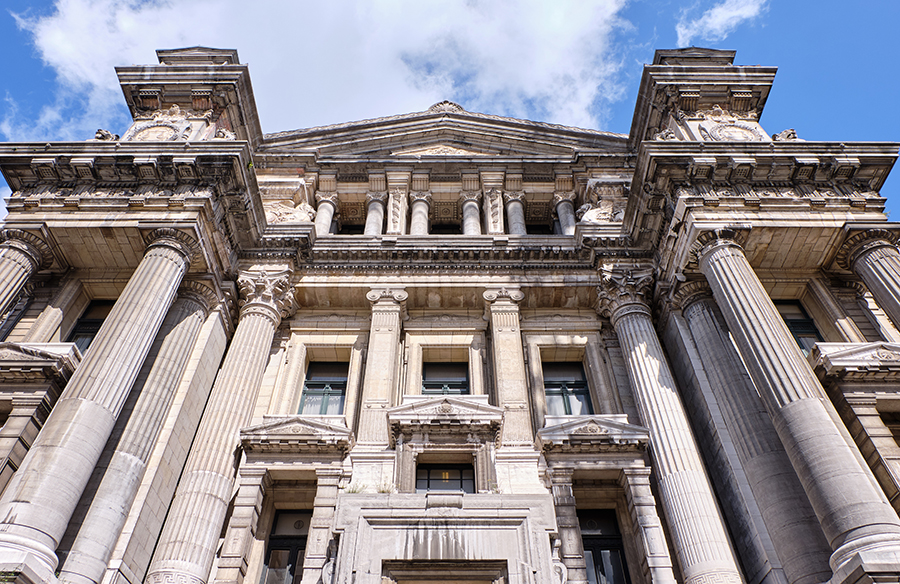
Certain buildings just command your attention and respect based on their architecture alone. These buildings elevate property values in the area and sometimes even define cultural identity. However, their complexity makes them more costly to build, maintain, and insure.
High-design buildings require custom engineering, specialty materials, and intricate maintenance strategies that cost far more than your average construction project. Bold architecture offers a remarkable aesthetic, but it also increases operational risk and skyrockets repair costs.
Complex design requires premium materials and labor
Buildings with complex designs don’t typically follow any standardized templates. Instead, they have complex geometries, expansive glass systems, and structural cantilevers that require custom fabrication and advanced engineering. These complex forms increase the cost of construction by 10% to 25% compared to conventional buildings.
Irregular shapes often require custom steel, curved glazing, and precision-cut cladding panels. These elements aren’t mass produced and must be custom built. This increases the cost of materials and the time it takes to build the structure.
When a building involves dramatic cantilevers, open atriums, and wide interiors, the load calculations need to be specialized and reinforced. This typically requires special modeling software and several rounds of review, which adds consulting fees and time to project deadlines.
The more complex a construction project becomes, the more labor hours are required to complete it. Large projects already run 20% over schedule and around 80% over budget. When a project with high complexity is involved, those numbers jump significantly. It’s just the price you pay for original architecture.
Interior design fees are specialized (and high)
Interior design services cost more for elaborate buildings, and it’s not just because of the designer’s expertise. Often, they need to carry special insurance made for interior designers, and the cost is rolled into their service fees.
Glass and transparency are costly
Many buildings feature glass façades to create a dramatic skyline presence and add more light. However, buildings with vast glass surfaces usually have higher heating and cooling costs. To mitigate the cost, commercial buildings often use high-performance glazing to reduce heat transfer between walls.
Large areas of glass mean heat gain in the summer and heat loss in the winter. Even low-emissivity coatings aren’t enough to increase performance compared to insulated walls. This means running a powerful HVAC system year-round to maintain comfort inside.
A commercial HVAC system can cost tens of thousands of dollars and thousands every month just to operate. Over the course of decades, the energy inefficiency only compounds.
Maintenance is more complex
Fancy buildings usually incorporate unconventional materials like composite panels, tensile membranes, and specialty metal finishes. These materials are excellent when new but tend to age unpredictably. For example, glass curtain walls and composite panels rely on sealants. Over time, sealants degrade and allow water to intrude into the structure where it can cause extensive damage to wood, drywall, and insulation.
It can be difficult to replace certain materials like custom cladding systems, since they require sourcing from the original manufacturer. Unfortunately, these custom materials are often discontinued by the time a replacement is needed.
Lifecycle costs outpace budgets fast
The cost of construction is just one financial element. The lifecycle costs of energy, maintenance, repairs, and renovations usually exceed initial capital expenditures over time. This cost will increase drastically when smart technology is involved. For example, automated shading systems and other integrated tech requires ongoing software and firmware updates along with system recalibration.
The more customized a building becomes, the harder it is to adapt to new building codes or technological advancements. And while not every new building code is required to be retroactively met, sometimes new codes become required when any new renovations exceed a certain dollar amount.
Market value remains high
Although complex architecture comes with higher overall costs, these buildings typically command higher rent premiums and are valued much higher than typical commercial buildings. They tend to attract more tenants and become a valuable real estate asset.
High-design buildings are worth the investment
Although they require more capital up front to build, maintain, and repair, high-design buildings deliver more value and are a strong long-term asset. The hidden costs of beautiful design are real, but so are the rewards.
When developers build beautiful buildings, the extra cost of beautiful architecture becomes a smart financial decision.