The rapid transition toward electric mobility is fundamentally reshaping the Australian residential property market. As internal combustion engines begin to see a decline in market share, savvy homebuyers are no longer just looking at the number of bedrooms or the size of the backyard. Instead, they are prioritizing a home’s electrical infrastructure and its capacity to support a sustainable lifestyle. Identifying properties that are truly prepared for this shift requires a specialized understanding of modern energy systems and local zoning trends. For those navigating this complex landscape, professional guidance from TheBestBuyersAgents can be instrumental in identifying high-value assets that meet these specific technical requirements before they even hit the open market.
Understanding the Shift Toward EV-Ready Infrastructure
In the current Australian real estate climate, an “EV-ready” home is defined by much more than just a standard power outlet in the garage. True readiness implies that the property has the electrical capacity to support a dedicated Level 2 fast-charging station without requiring a total overhaul of the main switchboard. Most modern electric vehicle chargers in Australia operate at approximately 7kW on a single-phase supply, which can put significant strain on older residential electrical systems. When inspecting potential homes, it is essential to look for a switchboard with sufficient spare capacity or, ideally, a three-phase power connection. Three-phase power is becoming a highly sought-after feature because it allows for much faster charging speeds—up to 22kW—making it a critical “green” value-add for premium properties.
Beyond the wiring itself, the physical layout of the property plays a significant role in its long-term viability. Homes that feature wide driveways or garages with easy access to the main meter box are significantly cheaper to upgrade. If a property requires extensive trenching through concrete or the relocation of a meter to accommodate a charging station, the initial purchase price might not reflect the true cost of ownership. Prospective buyers should look for conduits already installed in garage walls or dedicated circuits labeled for future high-load appliances. These subtle indicators often signal that the previous owner or the builder had the foresight to prepare the home for the next generation of transport.
The Rise of Multigenerational Living and Dual Occupancy
The demand for EV readiness is intersecting with another major trend in Australian housing: the rise of multigenerational living. As more families consolidate households to combat rising living costs, the search for dual occupancy homes for sale has intensified. These properties often feature secondary dwellings or self-contained units that require their own independent energy management. A dual occupancy home that is EV-ready must be able to handle the simultaneous load of multiple vehicles charging, along with the everyday electrical needs of two separate households. This requires a sophisticated approach to energy distribution and often necessitates the integration of smart energy management systems that can balance loads dynamically.
Finding a home with granny flat potential is no longer just about providing space for extended family; it is about creating a flexible, high-yield asset. In many Australian suburbs, adding a secondary dwelling is viewed as a primary strategy for increasing property value and rental income. However, the most valuable secondary dwellings are those built with independent “green” infrastructure. This includes separate solar arrays and battery-ready configurations that allow the occupants of the secondary unit to maintain a low carbon footprint independently of the main house. When these homes are also equipped with EV charging stations, they become highly attractive to a broader demographic of eco-conscious renters and buyers.
Maximizing Value with Green Value-Adds and Solar Integration
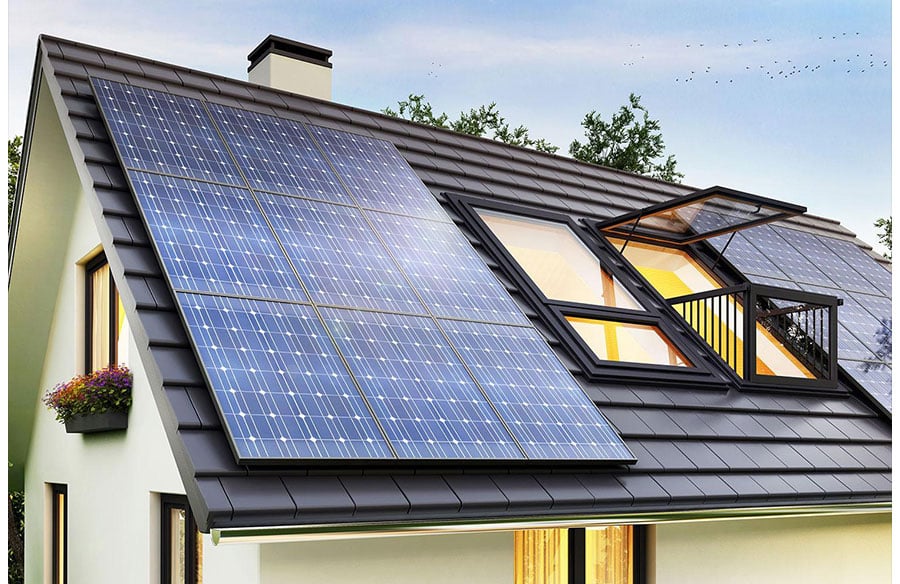
For a home to be truly future-proof in 2026, it must function as a mini power station. Solar battery ready homes are now the gold standard in the Australian market, allowing residents to capture excess energy during the day to power their home and charge their vehicles at night. The integration of a solar battery system significantly reduces the “total cost of ownership” for both the home and the vehicle. When evaluating a property, buyers should investigate whether the existing solar inverter is “hybrid” or battery-compatible. A home that already features a high-capacity solar array but lacks a battery is often a prime candidate for a strategic upgrade that can provide an immediate boost to the property’s market value.
The financial incentives for these “green” value-adds have never been stronger. With federal and state rebates for battery storage becoming more accessible, the ROI on energy-efficient upgrades has become a central part of the real estate conversation. Beyond the immediate bill savings, homes that demonstrate high energy ratings and sustainable features often command a price premium. Features such as double-glazing, high-quality insulation, and heat-pump hot water systems work in tandem with EV infrastructure to create a holistic energy-efficient environment. Buyers who focus on these elements are not just buying a place to live; they are investing in a hedge against rising utility costs and a more resilient lifestyle.
Navigating the Search for Modern Functional Features
The search for a modern Australian home often involves balancing lifestyle luxuries with functional necessities. For many professionals, the ideal property now includes a home with home office and ensuite, reflecting the permanent shift toward remote work. When this is combined with EV-readiness, the property becomes a self-sustaining hub for both professional and personal life. The presence of a home office requires reliable high-speed connectivity and stable power, further emphasizing the need for upgraded electrical systems and perhaps even a dedicated backup battery to ensure uninterrupted productivity during grid outages.
Identifying these specific combinations of features—such as dual living potential mixed with high-end energy infrastructure—can be difficult using standard real estate portals alone. Many listing descriptions fail to highlight technical specs like switchboard capacity or the presence of bidirectional charging readiness. This is where specialized market knowledge becomes essential. Understanding the nuances of local council regulations regarding secondary dwellings and knowing which builders prioritize sustainability can save a buyer months of searching. It is about looking past the cosmetic styling and evaluating the “bones” of the property to ensure it can support the technological demands of the next decade.
Securing Your Future in the Australian Property Market
Transitioning into a home that is fully prepared for the electric vehicle revolution is one of the most significant steps an Australian homeowner can take toward long-term sustainability. The intersection of multigenerational floor plans, secondary dwellings, and advanced energy storage is creating a new category of “super-homes” that offer unparalleled flexibility and efficiency. As the market continues to evolve, the distinction between standard properties and those with integrated green technology will only grow wider. Buyers who act now to secure homes with these features are positioning themselves at the forefront of a major cultural and economic shift.
Successfully identifying and acquiring these rare properties requires a strategic approach and a deep understanding of the current real estate landscape. Because the most desirable EV-ready and dual-occupancy homes often sell quickly, having an expert on your side is a distinct advantage. Engaging with the professionals at The Best Buyers Agents ensures that you have access to the latest market insights and off-market opportunities, allowing you to find a home that not only meets your current needs but also thrives in the energy-conscious future of Australia. By focusing on quality infrastructure and sustainable growth, you can secure a property that delivers lasting value for generations to come.