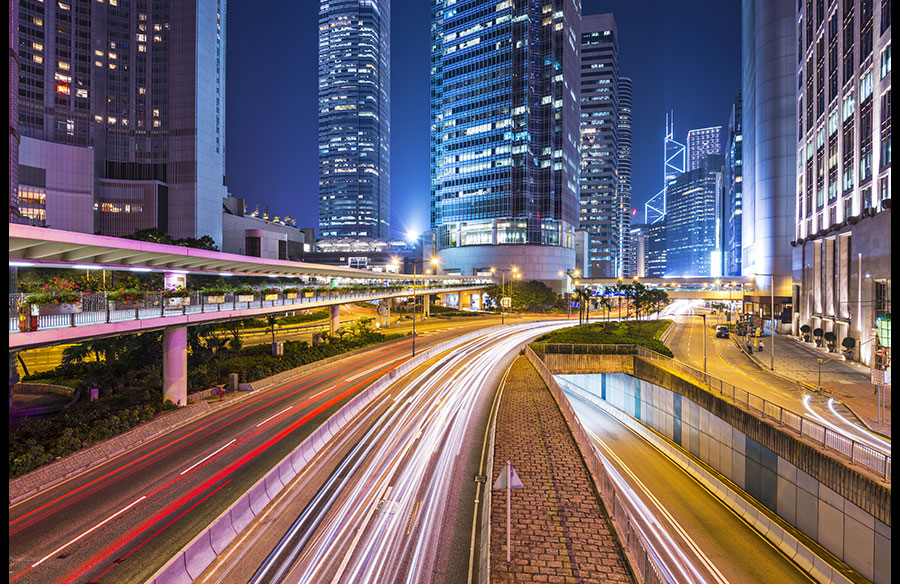
The Evolution of Smart Cities and Urban Infrastructure
As urban populations continue to swell, the concept of smart cities has evolved from a futuristic ideal into a necessary framework for sustainable urban living. Smart cities leverage advanced technologies to improve efficiency, reduce environmental impact, and enhance residents’ quality of life. Central to this transformation is the integration of data centers directly into the urban fabric, addressing both the growing demand for data processing and the spatial constraints of dense metropolitan areas.
Traditionally housed in remote or industrial zones, data centers are now being reimagined as integral components of city streetscapes. This shift supports real-time data processing needs for Internet of Things (IoT) devices, autonomous vehicles, smart grids, and public safety systems. Urban planners and technology providers collaborate to embed these facilities within city infrastructure, ensuring low-latency connectivity and improved resilience.
The rise of edge computing further accelerates this trend, as processing data closer to its source reduces latency and bandwidth usage. According to a recent report, by 2025, nearly 75% of enterprise-generated data will be processed outside traditional centralized data centers or cloud environments. This shift necessitates integrating micro and modular data centers within urban environments to meet the performance and reliability demands of modern applications.
For organizations seeking expert assistance in this area, it is advisable to reach out to PC LAN Services to optimize their urban data infrastructure.
Embedding Data Centers: Challenges and Opportunities
Integrating data centers into urban environments presents unique challenges, including space constraints, energy consumption, and noise pollution. However, innovative solutions are emerging to transform these challenges into opportunities. Modular and micro data centers, occupying minimal space and offering scalable capacities, have become popular choices for deployment in city streetscapes.
Energy efficiency remains a critical concern, as data centers consume significant power. To mitigate this, urban data centers increasingly rely on renewable energy sources, and the heat generated from servers is repurposed for district heating systems. This approach not only reduces environmental impact but also contributes to the circular economy within urban settings.
Security and accessibility also play vital roles. Proximity to end-users demands robust cybersecurity measures and easy physical access for maintenance without disrupting city life. Partnering with specialized service providers ensures these requirements are expertly met.
The Role of Managed IT Services in Urban Data Integration
The complexity of managing data center operations within smart cities necessitates reliable and efficient IT management. Managed IT services providers enable seamless integration and continuous operation of these urban data hubs, handling network management, cybersecurity, and compliance.
In cities like Milwaukee, demand for skilled IT management tailored to the unique challenges of urban data centers is rising. Businesses and municipal authorities benefit from services offering proactive monitoring, rapid incident response, and strategic planning aligned with city development goals. For organizations aiming to enhance their data center operations in urban contexts, exploring IT managed in Milwaukee can provide the necessary expertise and support.
Data Centers as Catalysts for Urban Innovation
Strategically placed data centers unlock numerous innovative applications. Low-latency data processing enables real-time traffic management systems that reduce congestion and emissions. Similarly, smart lighting and environmental sensors rely on nearby data centers to analyze data instantaneously, promoting energy savings and improved urban health.
Statistics underscore this trend: according to a report by the International Data Corporation (IDC), global data creation is expected to reach 175 zettabytes by 2025, highlighting the increasing need for localized data processing solutions. Additionally, the global smart city market is projected to grow at a compound annual growth rate (CAGR) of 18.4% from 2021 to 2028, emphasizing rapid adoption of smart infrastructure. These figures illustrate the urgency and scale of integrating data centers into the urban ecosystem.
Moreover, integrating data centers enhances public safety systems by enabling faster processing of surveillance data and emergency response coordination. This capability is increasingly vital as cities face growing security challenges and the need for resilient infrastructure.
Designing Future-Ready Smart City Data Centers
Future urban data centers will prioritize adaptability and sustainability. Designs incorporate green architecture principles such as green roofs, natural cooling techniques, and integration with urban landscaping. This reduces environmental impact and enhances the aesthetics and livability of city neighborhoods.
Innovations like immersion cooling-submerging servers in thermally conductive liquids-are gaining traction for dramatically reducing energy consumption and noise levels. These technologies make embedding data centers in densely populated areas feasible without compromising environmental standards or resident comfort.
Collaboration between city planners, architects, and technology firms is essential to ensure data centers complement public spaces rather than detract from them. Multifunctional designs combining data centers with community centers, retail spaces, or public art installations are being explored to maximize utility and acceptance.
Some cities experiment with integrating data centers into existing infrastructure, such as underground parking garages or transit hubs, to optimize space usage. This approach also provides additional security benefits and leverages existing power and cooling resources.
Policy and Regulatory Considerations
Integrating data centers into urban streetscapes requires careful navigation of policy and regulatory frameworks. Zoning laws, environmental regulations, and noise ordinances can pose barriers to deployment if not addressed proactively.
Municipal governments are updating guidelines to accommodate the unique needs of urban data centers, balancing innovation with community concerns. Incentives for green data center development, such as tax breaks or expedited permitting for facilities using renewable energy, encourage sustainable growth.
Public-private partnerships increasingly facilitate these developments, aligning city goals with technological advancement and economic growth. Engaging stakeholders early in planning helps mitigate opposition and fosters community support.
Conclusion: Towards a Connected Urban Future
Integrating data centers into urban streetscapes is a critical step toward realizing smart cities’ full potential. By addressing infrastructural challenges with innovative design and management approaches, cities can support the exponential growth of data-driven services while advancing sustainability goals.
Organizations and city planners must engage experienced IT and infrastructure partners to navigate this complex landscape effectively. Whether optimizing existing urban data centers or embarking on new projects, collaboration and expert guidance are essential for success.
As smart cities evolve, the seamless blending of technology and urban life through thoughtfully integrated data centers will define future-ready metropolitan areas. This integration supports technological innovation and fosters resilient, efficient, and livable cities for generations to come.