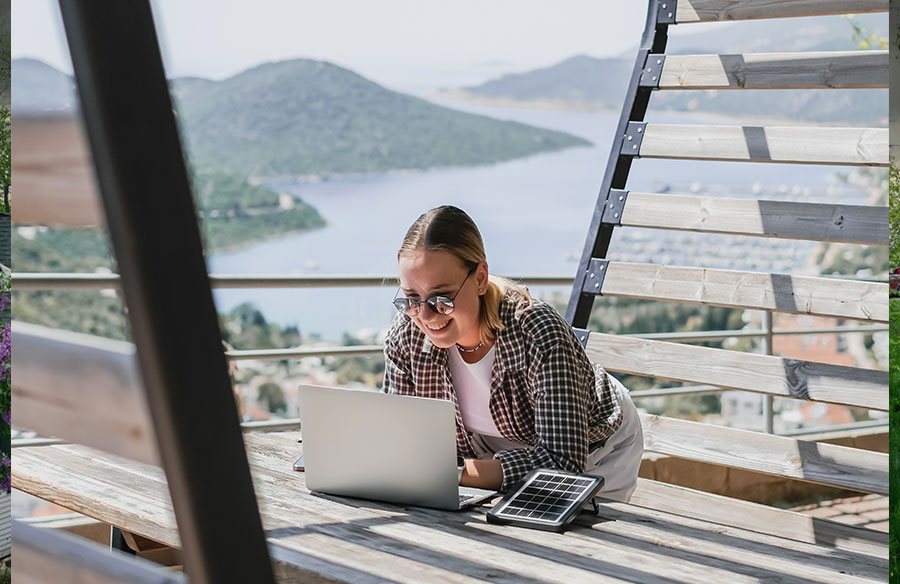
For today’s architects and designers, travel is no longer a break from work—it’s an extension of the creative process. From studying vernacular housing in Southeast Asia to analyzing parametric facades in Europe, modern architects are increasingly becoming digital nomads. Technology makes it possible to work remotely, collaborate globally, and still explore the world’s most inspiring architecture—without losing productivity or budget control.
This is where smart tools, intentional workflows, and even cashback on travel strategies come together to support a sustainable, design-focused nomadic lifestyle.
Below is a practical listicle of essential tools every traveling architect should consider when working and exploring on the move.
Digital Sketching & Concept Development Tools
Architecture starts with observation and sketching. While traveling, architects often move fast—capturing ideas in airports, cafés, or museum courtyards.
Tablet-based workflows have become the go-to solution for digital nomad architects. Using an iPad with professional sketching apps allows you to:
- Capture site details instantly
- Create layered concept sketches
- Annotate photos of buildings and urban spaces
- Sync drawings across devices for later refinement
These tools replace bulky sketchbooks and scanners, making ideation seamless while on the road.
Why it matters: Inspiration doesn’t wait. Digital sketching tools ensure that architectural ideas are preserved the moment they appear.
Cloud-Based Project Management Platforms
Remote architectural work requires structure. When you’re switching time zones and working from different countries, clear task management becomes critical.
Tools like Trello and Asana help traveling architects:
- Track design phases and deadlines
- Coordinate with remote teams and consultants
- Manage competition entries and client feedback
- Maintain clarity across multiple projects
Boards, timelines, and notifications keep projects moving even when you’re attending a site visit in one country and coordinating with clients in another.
Why it matters: Architecture is collaborative. These platforms keep communication clean and deadlines intact—no matter where you are.
Remote Collaboration & File Access Tools
Architects work with heavy files—drawings, renders, BIM models, and presentations. Reliable cloud storage and real-time collaboration tools are essential for digital nomads.
With cloud-based systems, you can:
- Access project files from anywhere
- Share drawings securely with clients
- Review revisions on-site or during travel days
- Avoid data loss from device issues
This setup ensures that your architectural practice remains fully operational while you explore global design landmarks.
Budget Optimization & Smart Booking Tools
Travel is a major expense for digital nomad architects, especially when trips are frequent and long-term. Smart professionals don’t just book flights and hotels—they optimize them.
Platforms like reBITme are increasingly used by architects and designers who want cashback on travel. By booking flights, hotels, or travel insurance through such platforms, professionals earn cashback that can be reinvested into:
- Museum passes
- Architectural walking tours
- Site access fees
- Design exhibitions and biennales
Instead of overspending on logistics, cashback strategies help redirect money toward experiences that directly enhance architectural knowledge.
Why it matters: Travel should fuel creativity, not drain finances. Cashback on travel helps architects explore more while spending smarter.
Research & Inspiration Platforms
Global architecture research doesn’t stop when you’re away from your studio. Digital libraries, architecture platforms, and online archives allow traveling architects to:
- Study regional construction methods
- Research local materials and sustainability practices
- Compare global design trends
- Prepare informed site analyses
Combining on-site observation with digital research creates a powerful learning loop—one that defines the modern digital nomad architect.
Designing a Smarter Way to Travel
The digital nomad architect is not just a traveler—they are a strategist. By combining creative tools, structured project management, and intelligent budgeting methods like cashback on travel, architects can explore the world without compromising professionalism or financial stability.
Technology has redefined how architects work, learn, and move. With the right tools in place, every journey becomes an opportunity to design better, think deeper, and experience architecture in its most authentic form—on the ground, across cultures, and beyond borders.