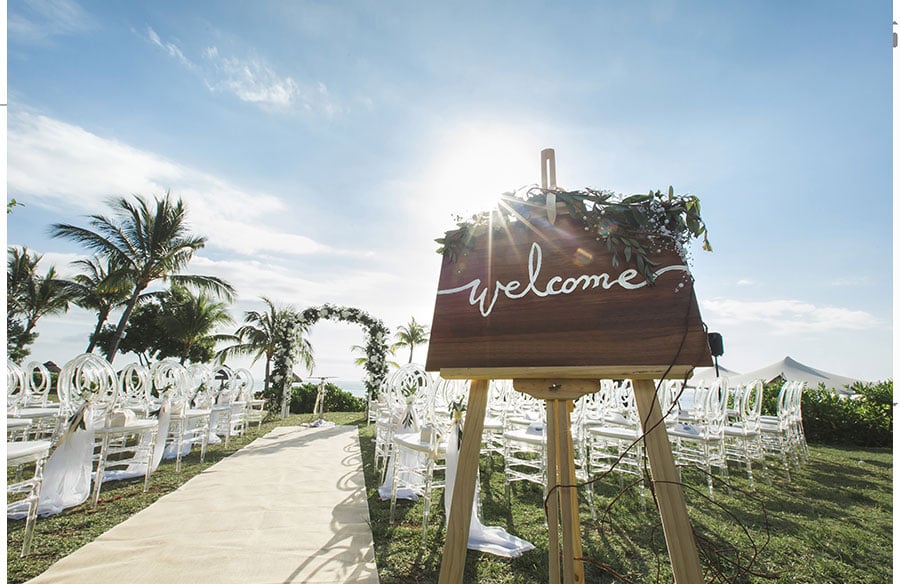
An outdoor wedding offers a romantic and flexible alternative to traditional indoor ceremonies. Whether it’s a coastal cliffside in Cornwall or a woodland clearing in the Cotswolds, the British landscape provides a stunning backdrop for any couple. However, moving the celebration outside introduces unique logistical challenges that require careful attention.
From navigating the unpredictable weather to ensuring guests stay comfortable throughout the evening, every detail matters when you’re building a venue from the ground up. If you’re ready to turn your dream of a garden or meadow wedding into a reality, read along to understand what you need to know to get started.
Finding the Perfect Venue
The first step is deciding between a licensed wedding venue and a private plot of land. If you’re using a private field or a large garden, you’ll need to check for flat ground to ensure tables and dance floors remain stable.
Accessibility is another vital factor that shouldn’t be overlooked. You’ll need to think about how guests will arrive, especially if the location is remote. Consider the path from the parking area to the seating. If the ground is soft, you might need to install temporary walkways to protect formal footwear. It’s also important to check for local noise ordinances if your venue is near a residential area, as this might affect your choice of live music or the finish time for the party.
Weather-Proofing Your Big Day
We all know the British weather is famously fickle. Even a mid-August date doesn’t guarantee clear skies, so having a robust Plan B is a necessity. High-quality marquees or gazebos provide a stylish refuge if the clouds decide to open. These structures shouldn’t just be an afterthought. They’re a central part of the design that keeps your guests dry and your catering protected from the elements.
Wind is often a bigger threat than rain for outdoor events. It’s essential to use heavy-duty weights and professional-grade tie-downs for any temporary structures. If the forecast looks particularly chilly, you can hire powerful patio heaters to keep the interior warm once the sun goes down. Providing a basket of blankets or pashminas is a thoughtful touch that your guests will certainly appreciate during the evening speeches.
Elevate the Aesthetic With a Custom Printed Gazebo
Visual branding and personalisation are becoming increasingly popular for modern weddings. Many couples are now looking for ways to make their entrance or bar area stand out from the crowd. Using Gala Tent custom printed gazebos allows for a unique touch, such as printing the couple’s initials, the wedding date, or a specific floral pattern that matches the stationery. This level of customisation ensures that even the functional parts of the day feel integrated into the overall theme.
These structures serve as excellent focal points for specific zones within the wedding layout. You might use a printed canopy to house a gin bar, a photo booth, or a dedicated chill-out zone. Because they’re built for durability, they offer a professional look that’s far superior to basic garden center alternatives. It’s an effective way to maintain a high-end feel while providing essential cover for various activities throughout the celebration.
Managing Logistics and Power
One of the most complex parts of an outdoor wedding is the infrastructure that guests never see. Unless you’re at an established venue, you’ll likely need to hire a silent generator to power the catering equipment, the band’s amplifiers, and the lighting. It’s a good idea to speak with your suppliers early to calculate the total kilowatt requirement so you don’t face a power cut during the first dance.
Luxury portable toilets are another essential investment for a field wedding. Modern trailer units are a world away from standard festival toilets, often featuring high-end finishes, mirrors, and proper hand-washing facilities. You’ll also need to plan for waste management. Ensure there are plenty of bins tucked away in discreet locations and arrange for a professional team to clear the site the following day to keep the land in pristine condition.
Catering in the Great Outdoors
Outdoor catering offers an opportunity to be creative with your menu. From wood-fired pizza ovens and hog roasts to elegant grazing tables filled with local British cheeses, the options are extensive. However, the chefs will need a dedicated, covered space to prep and cook. This area must have a stable floor and easy access to water.
Essential Lighting and Decor
As the evening progresses, lighting plays a vital role in setting the mood and ensuring safety. Festoon lights strung between poles create a beautiful canopy of stars effect that defines the boundaries of your party space. Solar-powered lanterns or LED tealights in jars can line the pathways to guide guests safely back to their cars or tents.
For decor, it’s best to work with nature rather than against it. Use wildflowers, hay bales, and wooden signage to complement the rural surroundings. If you’re worried about insects, Citronella candles can be placed around the perimeter to help keep them away from the dining tables. Remember that everything you bring in must be secured; lightweight decorations might blow away if there’s a stiff breeze.
Leave a Lasting Impression
Planning an outdoor wedding requires a blend of creativity and logistical precision. While it’s true that you can’t control the weather, you can control how prepared you are for it. By choosing high-quality structures and thinking through the practicalities of power and comfort, you’ll create a seamless experience for your guests. These weddings often feel more relaxed and intimate than their indoor counterparts, leaving everyone with memories of a truly unique celebration.