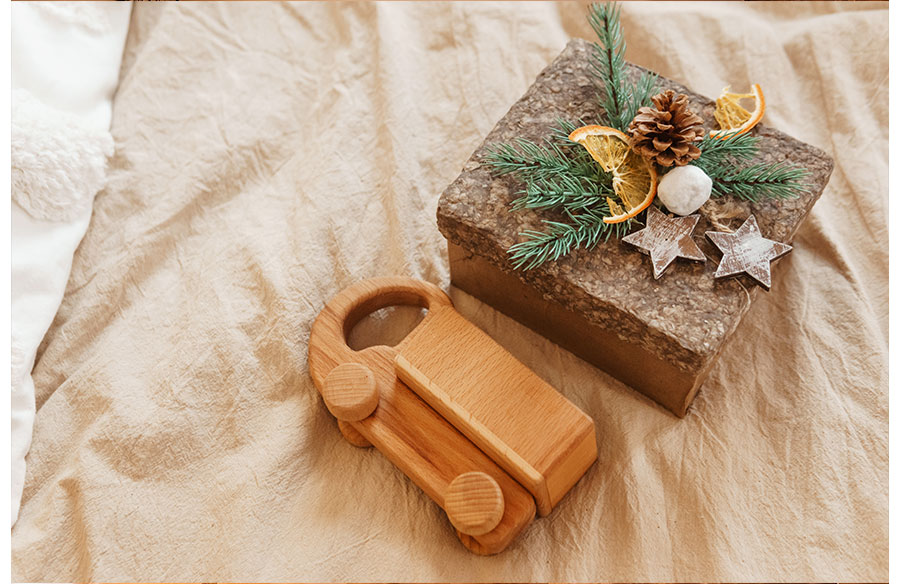
In an era where environmental awareness and conscious consumption are shaping design choices, the concept of gifting is undergoing a meaningful transformation. Traditional gift items—often made from plastic, synthetic materials, or disposable packaging—are increasingly being reconsidered for their environmental impact. As people become more mindful of sustainability, wooden gifts are emerging as a powerful symbol of thoughtful design, craftsmanship, and ecological responsibility.
Sustainable gifting is no longer simply about giving an object; it is about offering something meaningful, durable, and environmentally responsible. Wooden gifts perfectly embody these values by combining natural beauty, longevity, and ethical production. Their growing popularity reflects a broader shift toward eco-friendly design and mindful living.
The Philosophy Behind Sustainable Gifting
Sustainable gifting revolves around the idea of reducing waste while promoting products that have a positive impact on the environment and society. Unlike conventional gifts that may be discarded quickly, sustainable gifts are designed to be useful, durable, and emotionally meaningful.
One of the biggest problems with modern consumer culture is the excessive use of plastic and disposable products. These materials often end up in landfills or oceans, contributing to pollution and environmental degradation. Wooden gifts, on the other hand, represent a return to natural materials that are biodegradable and environmentally responsible.
Wood is a renewable resource when sourced from responsibly managed forests. Trees can be replanted and grown again, ensuring that the supply of wood does not deplete natural ecosystems. Additionally, wood products naturally decompose over time, reducing landfill waste and environmental pollution compared to synthetic materials.
Sustainable gifting therefore encourages people to think beyond the moment of giving and consider the long-term environmental impact of their choices.
The Environmental Benefits of Wooden Gifts
One of the most compelling reasons wooden gifts are becoming popular is their environmental advantage. Unlike plastic or metal products that require energy-intensive manufacturing processes, wood has a significantly lower carbon footprint when responsibly harvested.
Trees absorb carbon dioxide from the atmosphere as they grow, storing carbon within their structure. When wood is used to create long-lasting products, this carbon remains locked within the material, helping reduce greenhouse gas emissions.
Another major advantage is biodegradability. Wooden products eventually break down naturally without leaving harmful residues in the environment. Plastic items, by contrast, can take hundreds of years to decompose.
Additionally, sustainable wood production practices minimize environmental damage. Responsible forestry ensures that trees are replanted, biodiversity is preserved, and ecosystems remain balanced. Certifications such as FSC (Forest Stewardship Council) verify that wood is harvested ethically and sustainably.
By choosing wooden gifts, consumers support a cycle of responsible production that respects nature rather than exploiting it.
Durability and Longevity: Gifts That Last
Another reason wooden gifts represent the future of thoughtful design is their exceptional durability. Unlike disposable products that quickly lose value, wooden items are built to last.
High-quality wooden objects can remain functional and beautiful for decades. Cutting boards, decorative boxes, handcrafted utensils, and engraved keepsakes often become heirloom pieces passed down through generations. Their longevity reduces the need for constant replacement, which ultimately minimizes waste.
This durability transforms the act of gifting into something far more meaningful. A wooden gift does not simply serve a temporary purpose; it becomes part of the recipient’s everyday life and personal story.
For example, a handcrafted wooden photo frame may preserve family memories for years, while a personalized wooden desk accessory can remain a cherished item in a workspace.
Craftsmanship and Human Connection
One of the most distinctive qualities of wooden gifts is the craftsmanship behind them. Many wooden items are handcrafted by skilled artisans who shape, carve, and polish natural materials into unique designs.
Unlike mass-produced plastic products, handmade wooden gifts often carry subtle variations in grain, texture, and color. Each piece is unique because no two pieces of wood are identical.
This craftsmanship creates a deeper emotional connection between the gift and the recipient. The natural patterns within the wood tell a story about the tree from which it came, while the artisan’s work reflects creativity and dedication.
Handcrafted wooden products also support local communities and traditional craftsmanship. Many small workshops and artisans rely on sustainable woodworking practices to preserve cultural heritage and provide livelihoods.
Natural Aesthetics and Timeless Appeal
Wood has an inherent warmth and beauty that synthetic materials struggle to replicate. Its organic texture, earthy tones, and natural grain patterns make wooden gifts visually appealing and emotionally comforting.
Designers often embrace minimalist aesthetics when working with wood. Instead of covering the material with artificial coatings, many wooden gifts feature natural oils or plant-based finishes that enhance the wood’s texture while keeping it environmentally friendly.
This design philosophy aligns perfectly with contemporary trends such as minimalism, biophilic design, and natural living.
Wooden gifts also blend easily with different interior styles—from rustic and traditional to modern and Scandinavian. Whether it is a wooden candle holder, a handcrafted serving board, or an engraved jewelry box, wooden objects bring a sense of authenticity to any environment.
Personalization and Meaningful Design
Another reason wooden gifts are becoming increasingly popular is their potential for personalization. Wood is an ideal material for engraving, carving, or laser cutting, making it possible to add names, messages, dates, or artwork.
This customization transforms an ordinary object into a deeply meaningful keepsake. A simple wooden box can become a memory chest, while a carved wooden plaque can commemorate a special milestone.
Personalized wooden gifts are particularly popular for weddings, anniversaries, corporate events, and birthdays because they reflect thoughtfulness and effort.
Furthermore, wooden packaging itself can become part of the gift. Unlike disposable wrapping paper, wooden gift boxes can be reused as storage containers, decorative objects, or keepsake holders.
Supporting Ethical and Sustainable Design
Sustainable wooden gifts often prioritize ethical production methods and responsible sourcing. Many brands use reclaimed wood, recycled materials, or timber from sustainably managed forests.
Reclaimed wood is especially valuable because it repurposes materials that might otherwise go to waste. Old furniture, construction timber, or pruned branches can be transformed into beautiful new products without cutting down additional trees.
This philosophy reflects a broader design principle known as the circular economy, where materials are reused and repurposed instead of discarded.
By choosing wooden gifts made from reclaimed or responsibly sourced materials, consumers contribute to a design system that values sustainability, resource efficiency, and environmental stewardship.
Wooden Gifts in Modern Design Culture
As sustainability becomes a defining priority for designers, architects, and consumers, wooden gifts are gaining recognition as symbols of responsible design.
Today’s eco-conscious consumers seek products that reflect their values—environmental responsibility, authenticity, and quality craftsmanship. Wooden gifts meet all of these expectations.
From handcrafted home décor and kitchenware to personalized office accessories, wooden objects demonstrate how design can be both beautiful and sustainable.
More importantly, they remind us that meaningful design is not only about aesthetics but also about responsibility toward the planet.
Conclusion
Sustainable gifting represents a shift toward more mindful consumption and meaningful design. In a world increasingly dominated by disposable products, wooden gifts offer a refreshing alternative—one that celebrates nature, craftsmanship, and durability.
Their renewable origins, biodegradability, and long lifespan make them an environmentally responsible choice. At the same time, their natural beauty and potential for personalization make them emotionally significant gifts.
Ultimately, wooden gifts embody the essence of thoughtful design: objects that are not only aesthetically pleasing but also sustainable, meaningful, and enduring. As society continues to prioritize sustainability, wooden gifts are poised to become a defining symbol of the future of gifting—where design, nature, and human connection come together in perfect harmony.