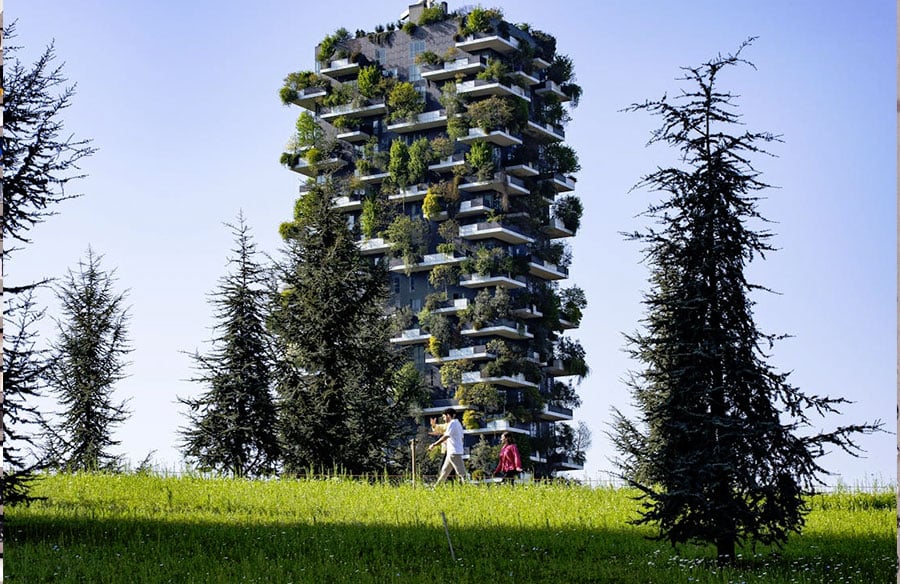
Sustainable architecture is shifting from a nice to have to a must have, especially as cities, builders, and homeowners rethink how spaces can support healthier living. Recent reporting and research have highlighted major shifts in materials, planning, and design philosophy that point toward a greener future. These trends are not just technical upgrades. They are changing how we imagine the built world and its role in our daily lives.
The Rise of Low Carbon Materials
One of the clearest shifts is in how buildings are made. More designers are turning to low carbon materials that reduce the environmental footprint of construction without sacrificing beauty or strength.
Mass Timber Gains Ground
Mass timber has moved from niche to mainstream thanks to its durability and much lower emissions compared to concrete and steel. Cities around the world are exploring what it can accomplish. According to reporting by Time, Stockholm’s growing timber district shows how entire neighborhoods can be reimagined using renewable materials.
A similar change in attitude appears in the United States, where The Guardian highlighted plans for what may become one of the tallest mass timber structures in the world.
Smarter, Sustainable Materials
Concrete alternatives, recycled composites, and bio based products are becoming more common. These materials are showing up in residential, commercial, and public projects, signaling broad adoption rather than isolated experiments.
Nature Forward Design Approaches
A growing number of architects believe that cities and buildings need to embrace the natural environment rather than wall it off. This has led to design approaches that create healthier, more resilient spaces.
Biophilic Design
Designs that incorporate greenery, natural lighting, and organic elements continue to expand in popularity. They are widely recognized for their ability to reduce stress and improve mental well being.
Regenerative Thinking
Some designers are taking sustainability a step further, aiming for buildings that actively restore ecosystems. Regenerative strategies are increasingly common as climate goals become more ambitious.
Here is a quick snapshot of what many new projects prioritize:
- Lower material waste
- Reduced operational energy
- More adaptable interior layouts
Some of these strategies make it easier for homeowners and developers to collaborate with partners who understand long term environmental goals. This is where reputable providers of architectural design services like Middle Housing Partners will play a major role, helping clients choose materials and layouts that support both sustainability and lifestyle needs. Finding professionals that understand this about modern clients is a priority.
Adaptive Spaces and Future Focused Planning
Cities are under pressure to evolve faster than ever. Architects are responding by designing spaces that can shift with changing needs rather than remain static.
Multipurpose Urban Spaces
Mixed use areas continue to gain traction as people look for neighborhoods where they can live, work, and socialize in shared, walkable zones.
Reuse Over New Construction
Adaptive reuse remains a leading trend. Older buildings are not seen as outdated but as opportunities for reinvention. Commentators on sites like The Post Blogs have noted that this approach reduces carbon footprints while preserving architectural history.
Technology Supporting Greener Outcomes
From real time energy monitoring to AI supported optimization, technology is expanding what sustainable architecture can accomplish. Forward looking concepts showcased by Wallpaper reveal how major design firms are testing ideas that merge sustainability and high tech thinking.
Community Centered Building Strategies
Another growing trend in sustainable architecture is the shift toward community centered planning. Designers are focusing on how buildings can support social connection, local culture, and shared resources. This might include flexible community rooms, outdoor gathering spaces, or layouts that encourage everyday interaction.
More projects also aim to integrate local materials and reflect regional identity, reducing transport emissions while strengthening a sense of place. Architects are paying closer attention to long term livability, asking how design choices can make neighborhoods more inclusive, more adaptable, and better prepared for environmental changes.
Looking Ahead
Sustainable architecture is no longer an optional upgrade. It is shaping cities, influencing residential design, and encouraging builders to rethink old assumptions. Whether through new materials, nature centered planning, or adaptive urban layouts, the movement continues to gain momentum. If you follow these trends or work in a related field, keeping up with new research and design shifts can help you make informed choices.