Last month at JFK, I watched this guy frantically dump half his suitcase into a trash bin because his bag was overweight because his bag was overweight. Three pairs of jeans, two jackets, and I’m not even kidding, what looked like actual dumbbells. Straight into the airport garbage. And you know what? He still paid $150 in fees.
We’ve all done the home scale dance, right? Standing there in our underwear at 6 AM, praying the number drops, wondering how the hell we convinced ourselves four sweaters were necessary for Miami.
Here’s the thing: overpacking isn’t about sucking at Tetris. It’s messier than that. Way more personal. Until you actually sit with why you’re cramming those “just in case” shoes into every corner, you’re gonna keep living this same airport nightmare.
Again and again.
Why We Can’t Stop
I used to think that I was just being prepared. You know, responsible. But really? I was anxious. That third outfit for dinner wasn’t about fashion, it was about fear. Fear of being underdressed, of not having options, of some imaginary scenario where I’d need hiking boots at a wedding.
Sound familiar?
Our brains are weird like that. We pack for the worst-case scenario that statistically won’t happen, then lug around the evidence of our anxiety through three connecting flights. The “what if” game is expensive, heavy, and exhausting.
About this part, nobody warns you. That “just in case” shirt? It’s not a backup, it’s a 5 AM problem waiting to ambush you. Picture this: you’re standing there in your underwear, squinting at three black shirts that looked totally different in daylight yesterday. Now? Identical. And your brain’s already checked out before you’ve even zipped your bag. Some vacation vibe,
right?
The “Options” Lie
We tell ourselves having choices is freedom. It’s not, it’s a trap. I tracked my last five trips. Wore maybe 30% of what I brought. That “backup” outfit for fancy dinner? Stayed folded at the bottom of my bag. Those “comfortable walking shoes” that were not broken in? Blisters and regret.
The truth is, most travelers rotate the same two outfits and call it a day. The rest is just expensive dead weight.
 Actually Fixing This
I had to get ruthless. Not minimalist-ruthless (you don’t need to own ten things), just honest-ruthless.
Start with your actual plans. Not hypotheticals. If you don’t have a reservation somewhere requiring a jacket, don’t pack one. Weather app says sun all week? Leave the umbrella. Hotels have them. Your friend’s couch definitely has them.
The capsule wardrobe thing actually works, much as I hate admitting it. Pick three colors that play nice together. Suddenly,, three shirts and two bottoms become nine outfits. Magic. When everything matches, you stop panic-packing “coordination options.”
Try the two-thirds rule. Whatever number you’re thinking, cut it by a third. Two weeks of socks? Pack ten days. Three pairs of jeans? You need one, maybe two. Your back will thank you when you’re sprinting through terminals.
When You Actually Need the Space
Look, some trips defy minimalism. Winter in Norway. Two-week work conferences. Ski trips where the jacket alone takes up half a carry-on. I’ve tried a fitting puffer coat into a weekend bag. But It doesn’t work.
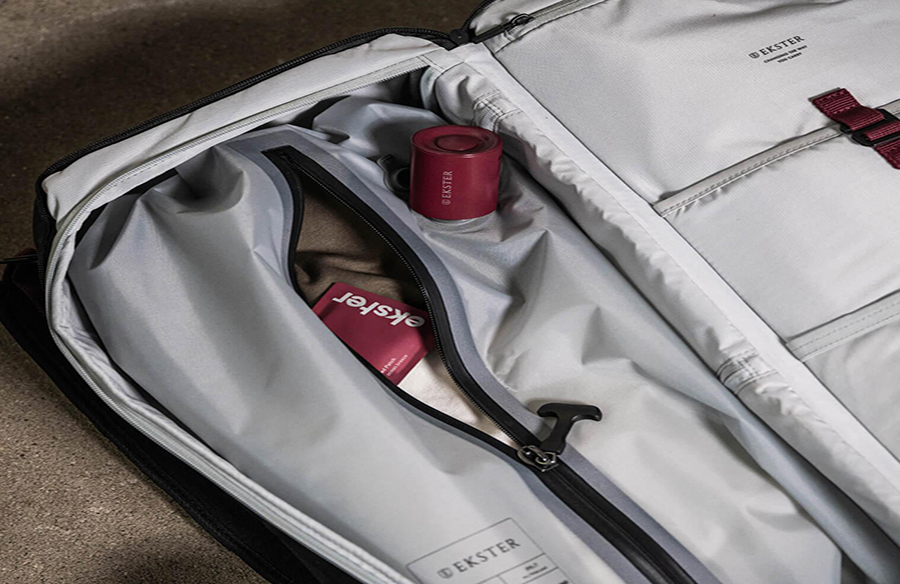
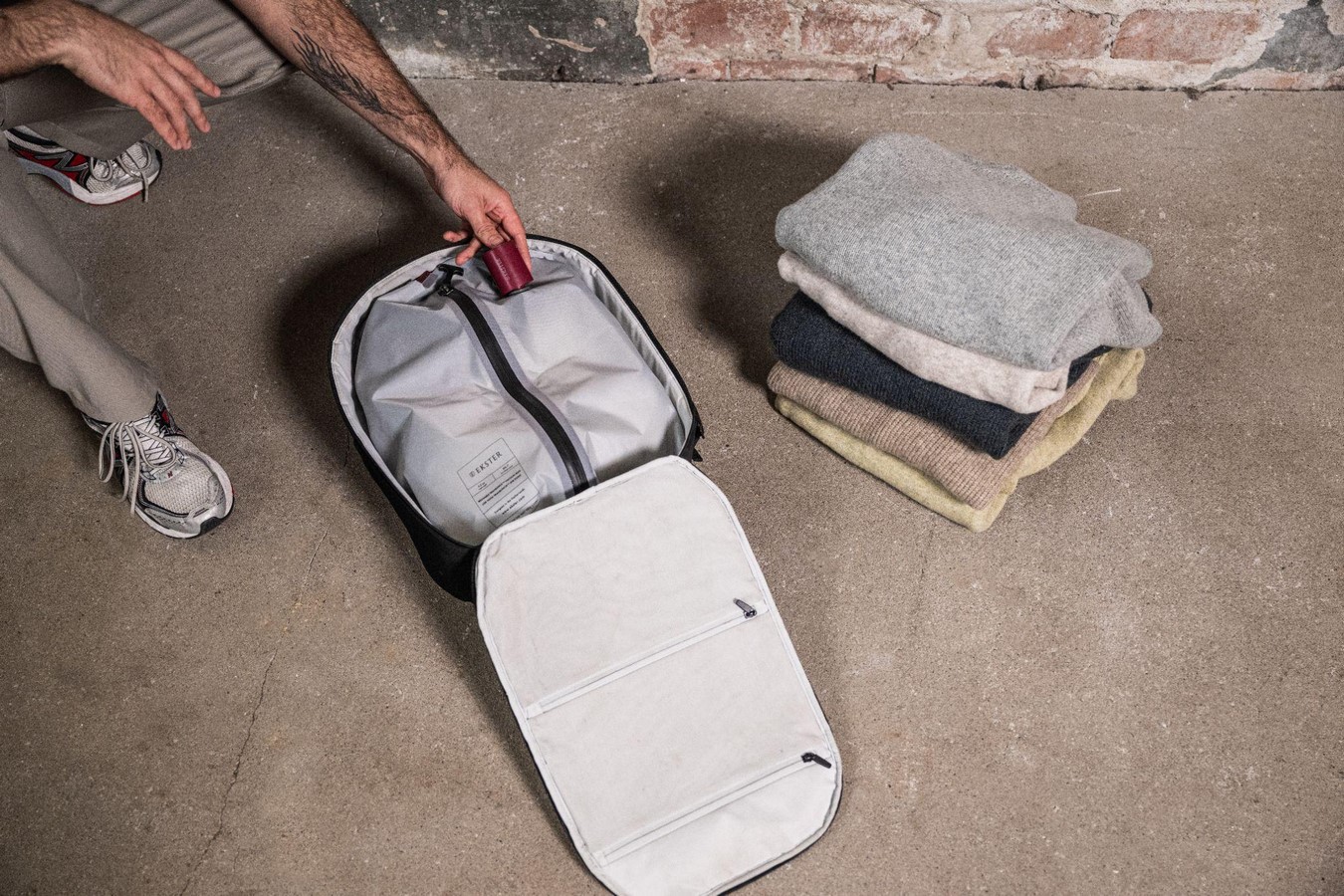
This is where I finally caved and got smart about it. A vacuum packing kit for travel changed my approach completely. Not those janky roll-up bags from the drugstore that leak air halfway through your trip, I’m talking proper compression with a portable pump that actually works.
First time I tried vacuum travel bags, I actually laughed. Crammed my puffy coat, two sweaters, even snow boots into my carry-on then watched the whole thing shrink in half. It felt like cheating.
The separate pouches help too. Small ones for socks, big ones for jackets. And sealing dirty clothes away after three days on the road? Way more useful than you’d think.
What Overpacking Really Costs
Sure, there’s the checked bag fee, fifty to a hundred bucks now, depending on your airline. But it’s the hidden stuff that gets you.
Time waiting at carousels while your vacation clock ticks. Energy dragging a roller bag up subway stairs (Rome’s metro has no elevators, ask me how I know). Stress from keeping track of too much stuff in crowded markets. At that moment, you realize you can’t take the fun side trip because your luggage won’t fit in the tiny rental car.
Travelers who go light move differently. They pivot. Change plans last minute. Take the spontaneous boat ride because they’re not anchored to a 50-pound suitcase. There’s a freedom to it that heavy packers don’t get.
Making It Stick
Like any habit, this takes practice. Your first light-packing trip will feel wrong. You’ll panic at the airport, convinced you forgot everything important. You didn’t.
Do this: next weekend trip, force the carry-on only. Even if it seems impossible. Notice how you walk past the baggage claim, straight to your ride, while everyone else stands in that weird carousel trance. Notice how you can actually lift your bag into the overhead bin without help.
When you get home, check what stayed unworn. Next trip, leave it. Rinse and repeat. Eventually you develop intuition for what “enough” actually looks like your version, not some Instagram minimalist’s version.
The Real Goal
You’re not gunning for some packing trophy. You’re just trying to keep your anxiety from running the show & right now it’s basically choosing your shoes.
Look, every single thing’s in that bag needs to earn its keep. Not “maybe I’ll need this” energy. Actual, real-world utility.
Pack for the trip you actually booked. Not the hypothetical version where you suddenly become a different person with different hobbies. Compression bags when bulky stuff fights back. Brutal honesty when it doesn’t. And please stop handing airlines forty bucks to shuttle your “what ifs” across the country.
Your future self is gonna be standing in some hotel room, staring at a half-empty bag and a packed schedule, wondering what the hell took you so long.