There’s a certain kind of exhaustion that hits when you open a utility bill after a long day. You already know it won’t be pretty. Still, you hope maybe this month will be different. It rarely is. Energy-saving home upgrades start to feel less like a luxury and more like a necessity in moments like that.
Homes in Potomac, Maryland, carry a lot of character. Some are older, solid, built in a different time. Winters can settle deep into the walls. Summers bring thick humidity that makes the air conditioner run longer than you’d like. You start to notice the small things. That back bedroom is always colder. The hallway never quite cools down. The system kicks on again, and you think, didn’t it just run? Insulation, new windows. smarter thermostats, sealing up those tiny gaps you keep ignoring, and even replacing an aging HVAC system. These aren’t flashy renovations – after all, no one comes over and compliments your attic insulation. But they change how your house feels and costs to live in.
Windows That Do More Than Just Let Light In
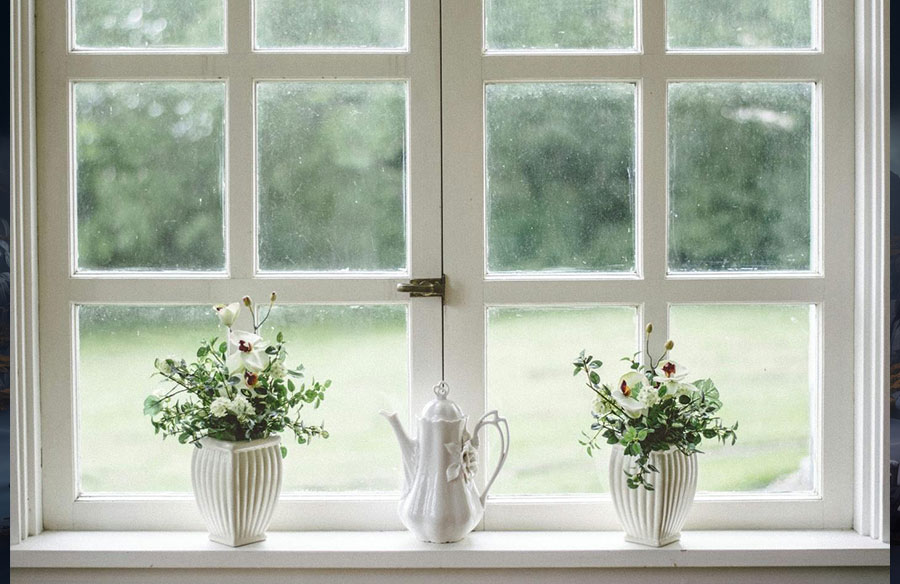
Old windows have a way of looking fine while performing terribly. They close, they lock – yet every winter you can feel that faint draft sliding across the room. Sitting near a window in January can feel like sitting next to a refrigerator. You shift on the couch, grab a blanket, and you wonder if it’s just you – it usually isn’t.
Modern windows are built to reduce heat transfer. Double or triple panes. Better seals. Better frames. Rooms stay warmer in winter and cooler in summer. Outside noise softens too, which is something you don’t realize you needed until it happens. For homeowners in Potomac energy efficient windows matter more than you think. These windows can be a good upgrade when drafts keep creeping across your living room every winter.
Attic Insulation That Stops the Silent Money Leak
Heat rises. We all learned that somewhere along the way. What no one really talks about is how much of that heat slips right through the attic. You can feel it in winter. The thermostat says one thing, but your shoulders say another. You turn the heat up a notch. Then another. The system works harder, and the bill climbs quietly in the background.
Attic insulation works in a boring but powerful way. It keeps the warm air where it belongs during winter and slows down heat from pouring in during summer. The HVAC system doesn’t have to fight as much. That means less strain and fewer dramatic spikes in usage.
Smart Thermostats That Learn Your Habits
Something is frustrating about heating or cooling an empty house. You rush out in the morning. You forgot to adjust the thermostat. The system runs all day for no one. Smart thermostats step in quietly. They learn patterns. They adjust temperatures when you’re away and bring things back to comfort before you return. You can tweak settings from your phone, even when you’re already halfway to work and suddenly can’t remember what you left it on.
At first, it can feel unnecessary. Another device. Another app. Still, small temperature adjustments during work hours or overnight add up over months. The savings are not dramatic in one billing cycle. They build slowly.
Sealing Air Leaks You Didn’t Know Existed
Some leaks are obvious. Most are not. Tiny gaps around windows, doors, electrical outlets, and attic hatches let conditioned air slip out little by little. You might hear a faint whistle on windy nights. Or feel a thin stream of cold air near the baseboards.
Caulk and weatherstripping are not expensive. Installation doesn’t require a contractor in many cases. It takes a bit of patience and a free weekend afternoon. The difference can surprise you. Fewer drafts. More consistent temperatures. The house feels tighter, in a good way. Heating and cooling systems don’t have to cycle as often.
High-Efficiency HVAC Systems That Earn Their Keep
Nothing grabs your attention like a furnace making a strange noise in the middle of winter. You try to ignore it. You hope it goes away. It rarely does. Older HVAC systems use more energy and struggle to maintain even temperatures. They cycle on and off frequently. They work harder than they should.
High-efficiency systems are designed to use less energy while delivering steadier comfort. Monthly bills often decrease, though the biggest benefit is consistency. Fewer hot and cold spots. Less constant adjustment.
LED Lighting That Quietly Cuts Costs
Lighting feels small compared to insulation or HVAC systems. One bulb doesn’t seem like it could matter much. That’s what I used to think. Then you start counting how many bulbs are in a house. Kitchen. Hallways. Bathrooms. Lamps in the living room. Porch lights that stay on longer than planned. It adds up quickly.
LED bulbs use far less energy than old incandescent ones and last much longer. You replace them less often, which saves money and a bit of hassle. The difference in the energy bill might not knock you over, yet it’s steady and reliable.
Solar Panels and When They Actually Make Sense
Solar panels are the big leap. The upgrade people talk about at dinner parties. The one that sounds bold and forward-thinking. It’s also the one that makes many homeowners pause.
Installation costs are high. Roof condition matters. Sun exposure matters. Financial incentives and net metering policies factor in. It’s not a casual decision. You have to run the numbers and be honest about your timeline.
In the right situation, solar can dramatically reduce electricity costs over the long term. Some homeowners even eliminate most of their electric bills. That kind of payoff doesn’t happen instantly. It unfolds over the years.
Energy-efficient upgrades don’t usually transform a home overnight. They aren’t dramatic before-and-after photos. They don’t impress guests the way a remodeled kitchen might.
Still, they change something deeper.
Lower bills start to feel less like luck and more like a result of careful choices. Rooms stay comfortable without constant thermostat battles. The house feels steady, predictable. That kind of stability matters more than I expected.
There were moments of hesitation along the way. Second-guessing costs. Wondering if the savings would really show up. That uncertainty is part of being responsible with money. It means you’re thinking it through.
No one has to tackle everything at once. One project at a time is enough. Seal the leaks. Upgrade a few windows. Replace aging equipment when the time comes. Each step builds on the last.